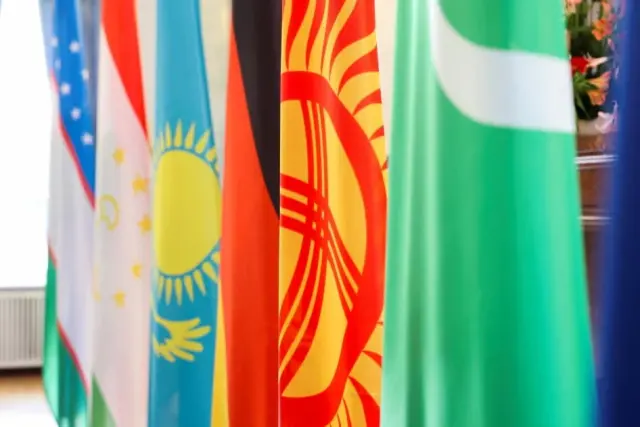
Kazakhstan has landed 44th out of 100 countries in the Opportunities category of the Best Countries 2026 ranking, with an average score of 53.9 points. The category measures the conditions that shape daily life and long-term prospects: entrepreneurship, employment, education, social protection, taxation and access to finance. Overall, the country placed 53rd with 53.8 points — comfortably ahead of neighbouring Uzbekistan, which came in 76th on 46.8 points.
The strongest scores came in social protection, where Kazakhstan earned 94.1 out of 100, personal income taxation (80.2) and educational attainment (71.8). The country profile lists an average of 12.5 years of schooling. One caveat worth keeping in mind: these figures reflect the ranking's own methodology, not literal coverage rates — a 94.1 for social protection doesn't mean 94.1% of the population is covered by government programmes.
Elsewhere in the assessment, Kazakhstan ranked 50th in healthcare with 64.2 points. The data behind that includes 3.8 doctors per 1,000 people and a life expectancy of 74.4 years. Infrastructure earned a 54th-place finish on 64 points, with the profile noting that 97.9% of the population has access to basic sanitation and average broadband speeds of 88.1 Mbps — handy to know if you're planning to work remotely from Almaty or Astana.
What makes this year's edition different is the method behind it. Published annually since 2016 by U.S. News & World Report together with the Wharton School of the University of Pennsylvania, the Best Countries ranking traditionally leaned on public perception surveys. For 2026 it switched to hard statistics: 100 indicators drawn from more than 30 sources, including the World Bank, UN agencies and the International Labour Organization, with 42 international experts deciding how much weight each of eight categories carries. That means 2026 results can't be compared with previous years — the yardstick has changed entirely.
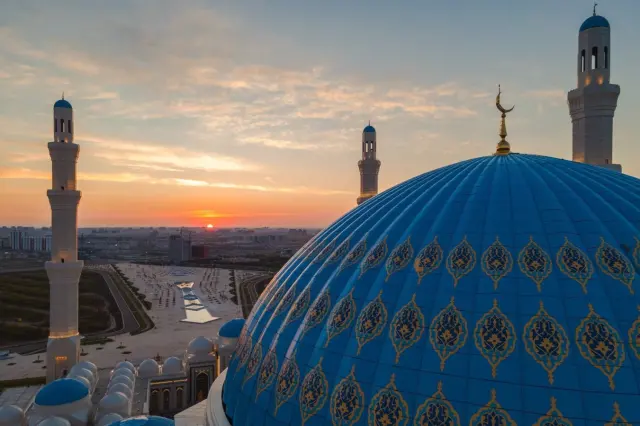
For travellers, the takeaway is modest but real. A country scoring well on education, taxation and social safety nets tends to have the functioning public services that make a visit smoother: reliable healthcare if something goes wrong, decent connectivity, and cities that run on working infrastructure. Kazakhstan has been quietly building a tourism pitch around Almaty's mountain setting, the futuristic architecture of its capital Astana and the vast steppe and Caspian landscapes beyond, and rankings like this add a layer of reassurance for anyone weighing a trip somewhere less trodden than Central Asia's usual stops. It's also useful context for digital nomads and long-stay visitors — good broadband and a solid doctor-to-patient ratio matter more after week three than any attraction list.