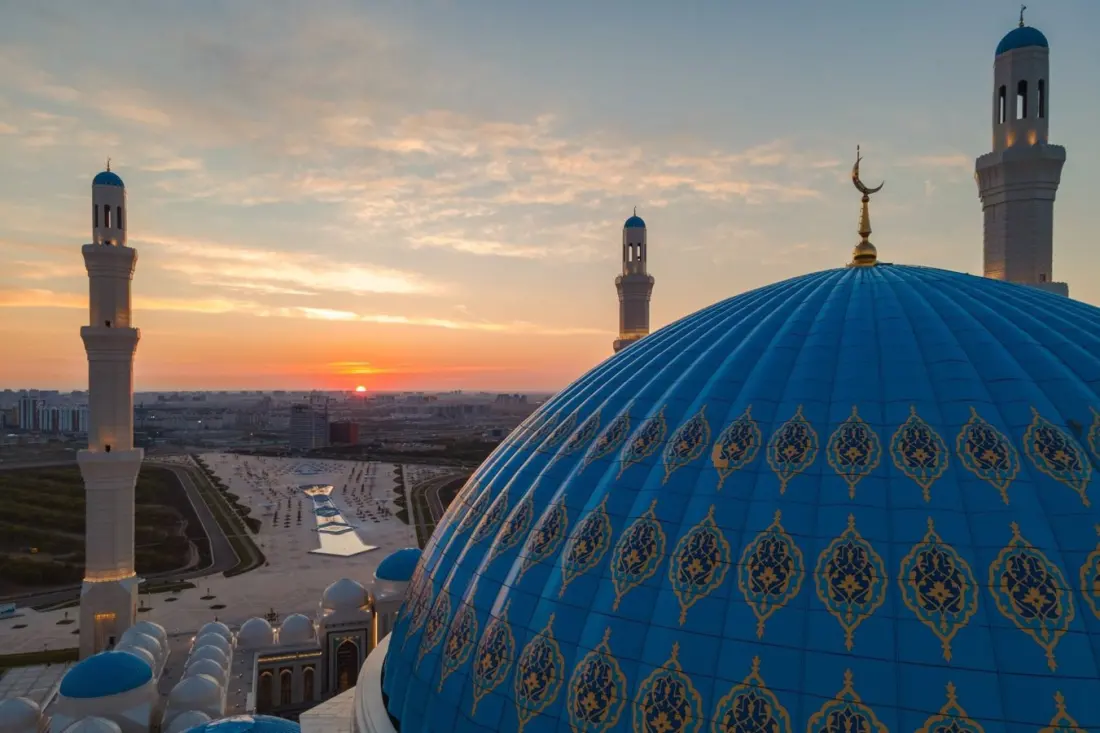
Kazakh Muslims planning the Hajj now have a clearer picture of 2027. Kazakhstan has been allocated 4,300 quota places for next year's pilgrimage under a newly signed agreement between the country's Spiritual Administration of Muslims of Kazakhstan and Saudi Arabia's Hajj ministry.
The deal was signed by Supreme Mufti Nauryzbai kazhy Taganuly and Saudi Minister of Hajj and Umrah Tawfiq bin Fawzan Al-Rabiah. Beyond the headline quota number, it lays out how the two countries will coordinate the pilgrimage, sets expectations for the quality of services offered to Kazakh pilgrims, and commits both sides to meeting safety and medical requirements. It also spells out responsibilities for accommodation, transportation and the wider package of Hajj services — the practical details that matter most once pilgrims are on the ground in Mecca and Medina.
The dates to know: the Hajj in 2027 is provisionally set for May 14 to 19, with the Day of Arafah on May 15 and Eid al-Adha on May 16. Earlier in the year, Ramadan is expected to run from about February 8 to March 8, with Eid al-Fitr around March 9. As always with the Islamic calendar, these dates depend on official moon sightings, so treat them as provisional until confirmed.
For Kazakhstan's Muslim community, the quota is the crucial piece. Saudi Arabia caps how many pilgrims each country may send, and places are allocated through national religious bodies, so this agreement effectively defines how many Kazakh citizens can make the trip in 2027. Those hoping to go should expect registration and selection to run through the Spiritual Administration of Muslims, typically well ahead of the pilgrimage itself, with costs and logistics bundled into approved packages covering flights, housing in the holy cities, transport between ritual sites and medical support.
Who should care? Anyone in Kazakhstan considering performing Hajj in 2027 — the 4,300 figure and the May dates are the starting point for planning, saving and registering. It's also relevant for families coordinating the trip for relatives, since demand for a limited number of places usually outstrips supply. And for Muslim travellers from Kazakhstan not yet ready for Hajj, the Ramadan and Umrah season in early 2027 offers a less quota-constrained way to visit Mecca and Medina.
Nothing here changes Saudi visa rules for ordinary tourists, but if a pilgrimage to the Hijaz is on your life list, this agreement sets the framework for how Kazakh pilgrims will be looked after — from medical compliance to accommodation standards — when they travel in May 2027.
Story via The Astana Times.