America's midterm elections on November 3 handed Congress to the Democrats, and political commentators in Washington have spent the weeks since reading it as a turning point. For anyone with an eye on Central Asia — whether as an investor, a policy watcher or a traveller plotting a route along the Silk Road — the more useful question is what actually changes, and the honest answer is: less than the headlines suggest.
The Democrats take control of both the House and the Senate in January 2027, which hands them real leverage over budgets, hearings and appointments during the final two years of Donald Trump's term. But foreign policy doesn't sit solely with Congress. The president keeps wide authority to run diplomacy and national security, so the likeliest outcome is friction and scrutiny rather than a reversal of America's international priorities. Midterm losses for the sitting president's party are, historically, the norm — driven here by cost-of-living frustrations and the fallout from the war with Iran.
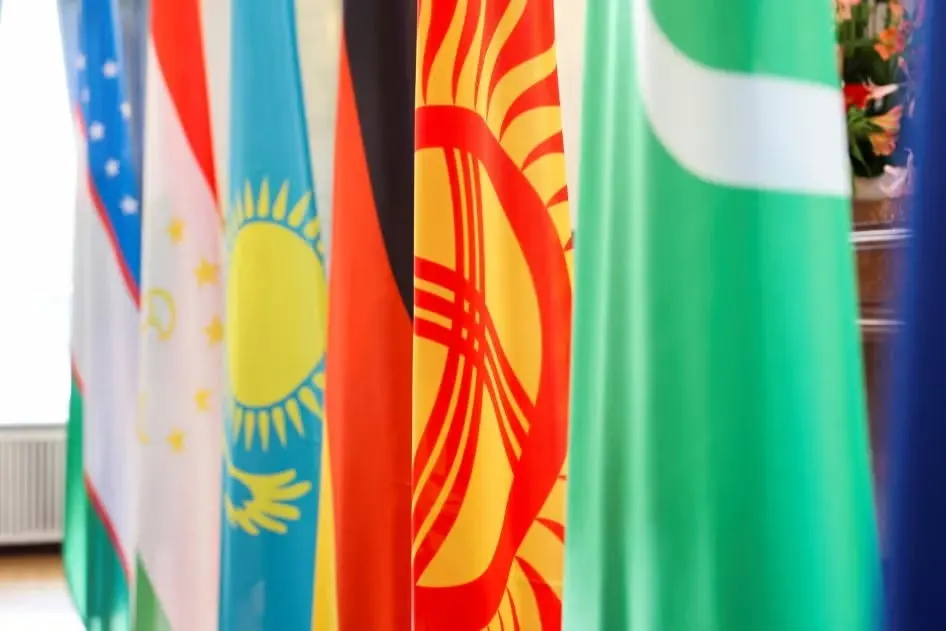
For Central Asia, the analysis from Astana is reassuring in its own way. US engagement with the region has built up across multiple administrations, and its pillars — the C5+1 framework, critical minerals, energy security, trade connectivity and technology — rest on strategic interests that cross party lines. Washington wants supply chains that don't run solely through China, and Kazakhstan's mineral wealth and processing potential fit that brief. Expect stricter talk around sanctions compliance and supply-chain transparency, plus growing noise as the 2028 presidential race heats up, but not an about-face.
There's a genuinely travel-relevant thread running through all this: the Trans-Caspian International Transport Route, better known as the Middle Corridor. Framed in Washington as supply-chain resilience, it's also the land bridge that more and more travellers are using — freight corridors through Kazakhstan and across the Caspian gradually open the door to better rail links, border crossings and overland tourism between Europe, the Caucasus and Central Asia. Discussions about tying the corridor into European connectivity frameworks could accelerate that. Kazakhstan, meanwhile, keeps diversifying its partnerships, which usually means easier visas, new flight routes and growing tourism infrastructure for the likes of Astana and Almaty.
So should a traveller rethink a 2027 Central Asia trip because of the midterms? No. The practical outlook is continuity with some added political drama — funding debates in Congress, oversight hearings, and campaign-season rhetoric that shouldn't be mistaken for policy. The region's own advice to its governments is sound advice for observers too: judge by institutional relationships and long-term strategy, not by the news cycle. Central Asia's relevance — between Russia, China and South Asia, and central to any east-west corridor — isn't a product of which party holds Congress, and neither is its growing appeal to visitors.
Plan around the places, not the politics: Kazakhstan's steppe cities, Uzbekistan's Silk Road towns and the emerging Caspian crossings all benefit from the same connectivity push that Washington and Astana keep talking about. The geopolitics may be noisy for the next two years, but the route east keeps getting easier to travel.