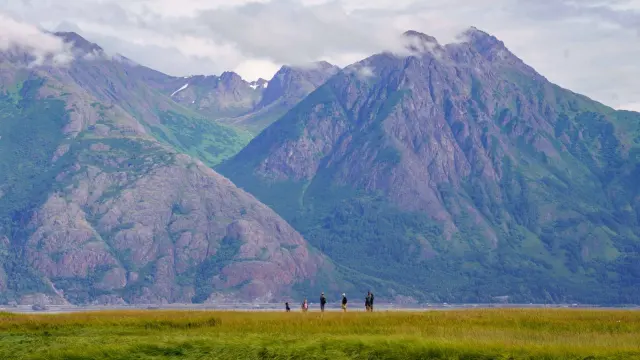
Two hours of driving separate Milwaukee from Green Bay, and roughly halfway between them sits 7,000 acres of quiet marsh, prairie and hardwood forest that most roadtrippers cruise straight past. Killsnake State Wildlife Area, spread across Manitowoc and Calumet counties in east-central Wisconsin, costs nothing to enter and delivers exactly what Lake Michigan's busy beach towns can't: silence, birds and slow-moving water.
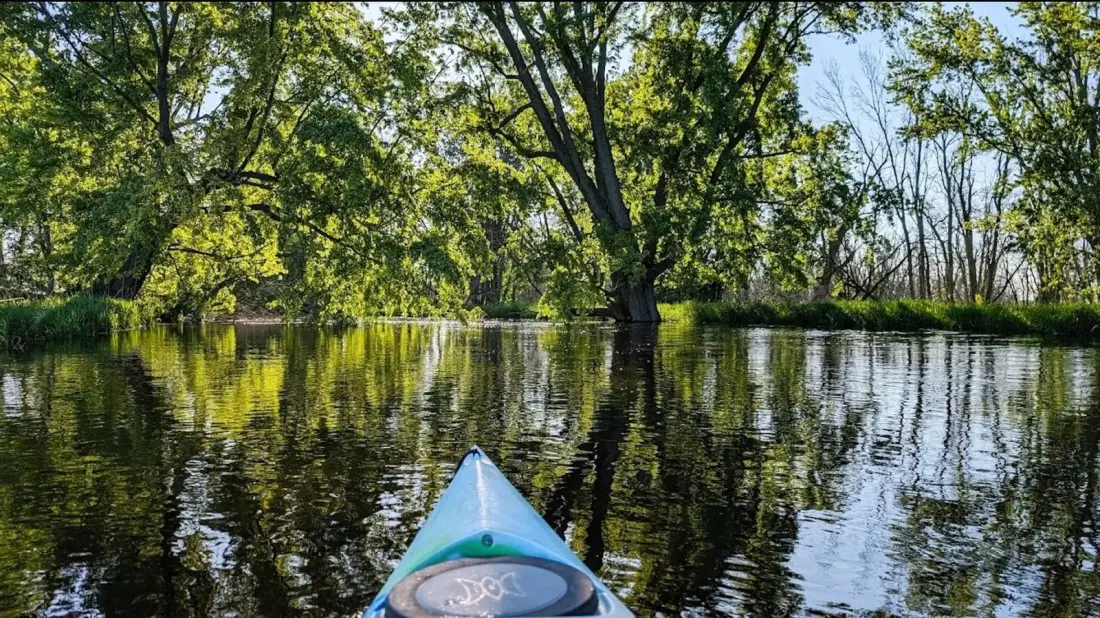
The rivers are the draw. The Killsnake River, Cedar Creek and the South Branch of the Manitowoc River all wind through the preserve, and paddling the Manitowoc is the classic way in — a narrow, tree-lined channel where waterfowl feed along the banks and bald eagles occasionally circle overhead. The Killsnake River itself has limited paddling, so bring your canoe or kayak for the Manitowoc instead. Sunset from the water, with owls starting to stir, is the moment locals come for.
On foot, manage expectations: this isn't a trail-network park. There are no marked hiking paths, just open walking through meadows, prairie and along the roads that thread the wetlands. What Killsnake does offer is access — 30 parking lots scattered across the property mean you're never far from a fresh vantage point. The Wisconsin Society for Ornithology singles out the hilltop overlook at the Aebischer Road parking lot as the best panoramic spot.
For birders, this place has serious credentials. More than 204 species have been recorded here, including ospreys nesting on raised platforms, sandhill cranes, short-eared owls and rough-legged hawks. Winter is a surprisingly good season — raptors hunt over the meadows and eastern screech-owls call near the tree lines — and local birders turn up with long lenses to photograph short-eared owls hunting at dusk. One local paper has called it a bird watcher's mecca, and the amateur-friendly atmosphere means you don't need expertise to enjoy it.
There's history here too. Wisconsin bought the first parcel in 1956, initially leasing land to track migrating geese, but the area's story runs much deeper: archaeological sites listed on the National Register of Historic Places include the Island Village Site, believed to be a mid-1800s Potawatomi village. Today around 1,000 acres remain farmland while roughly 1,500 acres have been restored as prairie and wetland habitat.
Killsnake suits casual hikers, photographers and anyone wanting a two-hour nature reset rather than a full-day expedition. If you want miles of rugged trails, Devil's Lake State Park is the bigger, tougher option — but for wetland paddling, raptor watching and a free sunset stop on a drive through eastern Wisconsin, Killsnake is hard to beat.
Story via Islands.