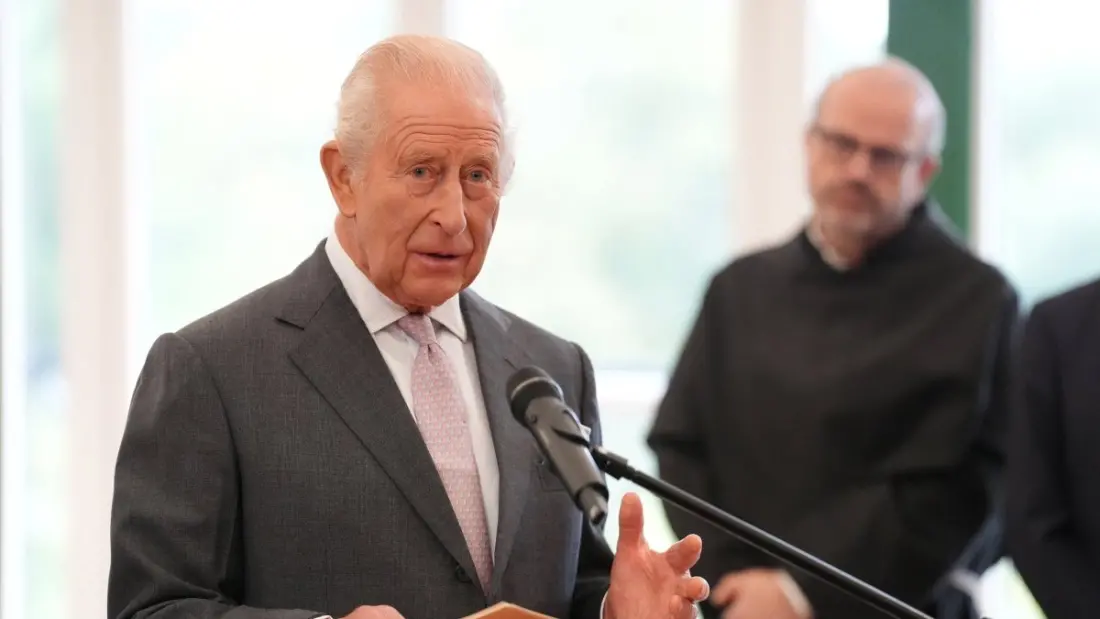
King Charles and Queen Camilla are heading across the Atlantic later this month for a Caribbean tour that will lean into history rather than avoid it. Buckingham Palace says the trip will not "shy away from the darkest days of our past" — a reference to Britain's central role in the transatlantic slave trade — even as the bulk of the programme celebrates each host nation's present and future.
The itinerary takes in the Bahamas and Guyana before the royal couple land in Antigua and Barbuda, where the King attends the Commonwealth Heads of Government Meeting from 1-4 November. Reparations will be hard to avoid at that summit. Caribbean and African members have been ramping up pressure on Britain and other former colonial powers to pay compensation, and Commonwealth Secretary-General Shirley Botchwey told Reuters in February that she expects the bloc's 56 members to move towards opening negotiations.
The British government, for its part, has ruled out paying reparations. But the King, who heads the Commonwealth — roughly 2.7 billion people across mostly former British colonies — has personally backed research into the monarchy's own historical ties to the trade. He has previously voiced sorrow over slavery's legacy, and last month Jamaica formally asked him to seek legal advice on whether Britain should pay, saying it was encouraged by the Palace's engagement.
The numbers explain why this remains such a live issue. Between the 15th and 19th centuries, at least 12.5 million Africans were abducted and sold into slavery by European merchants. Britain transported an estimated 3.2 million of them — second only to Portugal.
For travellers, this matters beyond the headlines. The Commonwealth's Caribbean members — the Bahamas, Antigua and Barbuda, Jamaica and others — still count the King as head of state, and these islands are actively renegotiating what that relationship means. Expect the theme to surface in museums, heritage tours and national conversations across the region, from Nassau to St John's. Visitors interested in the islands' full story, not just their beaches, will find a growing willingness to engage with colonial history openly — and a region confidently shaping its own narrative. The Palace has signalled the trip will focus on the "vibrant present and promising future" of each host nation, which is a fair summary of the Caribbean's pitch to visitors right now.
Story via Daily Sabah Travel.