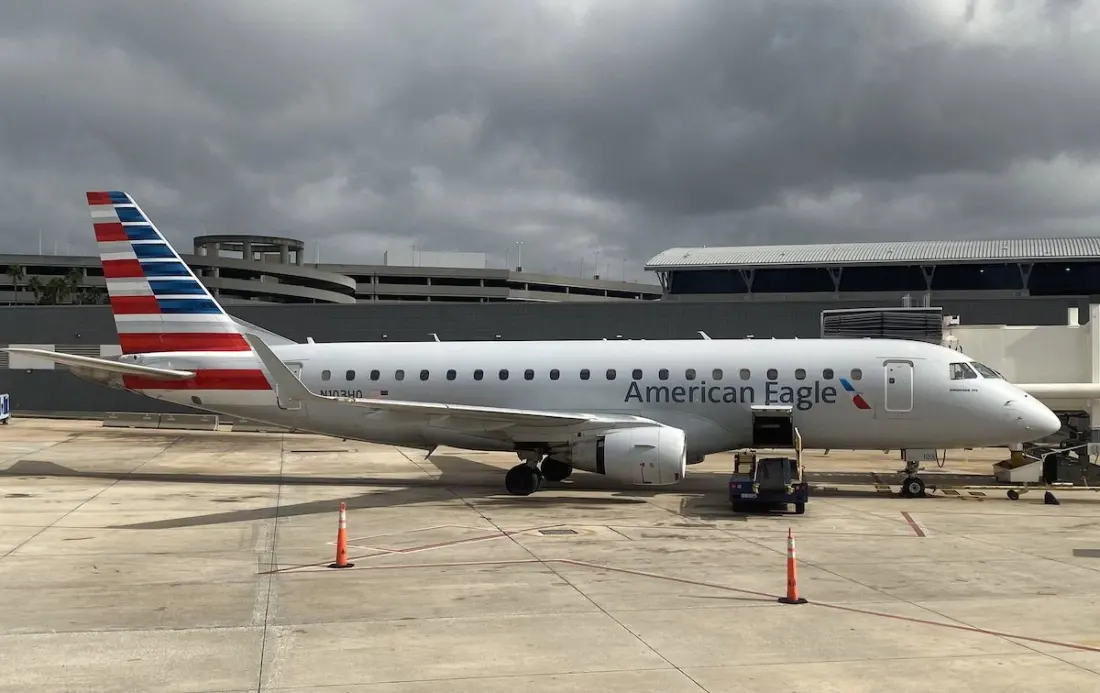
A routine taxi-in at San Francisco International turned into a tense radio exchange in late November, after two SkyWest pilots did exactly what good airmanship demands - and were met with attitude from the tower rather than thanks.
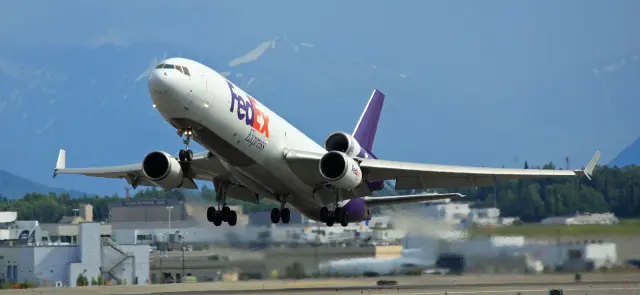
The flight, an Embraer E175 flying as American Eagle from Los Angeles, had just landed on runway 28L and been handed off to ground control. The crew was told to taxi to the ramp via taxiway A, behind a KLM Boeing 787, and read the instructions back correctly. A United Boeing 737 was then told to give way to the SkyWest jet. The problem: the United pilots never acknowledged that instruction.
Rather than risk pulling into the United plane's path, the SkyWest crew held short of the taxiway. Only seconds passed before the controller, apparently assuming all was well, told the United jet to just continue - which it could do, because SkyWest had stopped. When the controller asked why SkyWest wasn't moving, the pilot explained plainly: the other aircraft never read back its instructions, so they waited.
The controller's response raised eyebrows. Instead of acknowledging the safety-first logic, she told the SkyWest pilots that if they're not going to move when instructed - even if they think something's wrong - they should say so on the radio so she can plan around it.
The crew kept it professional. At the gate, they asked for a phone number to discuss the incident off-frequency, a standard and courteous move. The controller snapped that they'd be "chatting to someone else" since her shift was ending. When the pilot briefly explained they'd held short to avoid a possible conflict, she retorted that the conversation could be had off-frequency - the very conversation she'd just declined to have. The pilot's rejoinder: fine, we'll see you on the phone.
Why does a squabble on the ground frequency matter to anyone who flies? Because ground collisions are among the most common accidents involving commercial aircraft, and the system that prevents them depends on readbacks - crews repeating instructions so everyone knows the other plane heard them. When a readback doesn't come, the safest move is exactly what these pilots did: stop, wait, and flag it. The alternative, pressing on and assuming the other crew got the message, is how runway incursions happen.
It's also a reminder that the layers keeping passengers safe aren't just hardware and procedures - they're people making judgement calls in real time. The SkyWest crew chose caution, kept the radio clear, and escalated properly. The controller, by contrast, got defensive, dismissed the concern, and then contradicted herself about where the discussion should happen.
For travellers, there's some reassurance here: the crews up front are actively watching for the mistakes of others, even on the ground after a smooth landing. Most passengers never see these micro-decisions, but they're happening on every flight. And when a crew errs on the side of a few seconds' delay rather than a potential conflict, that's the system working - even if someone in the tower had a bad day. Credit to One Mile at a Time for the original report.