
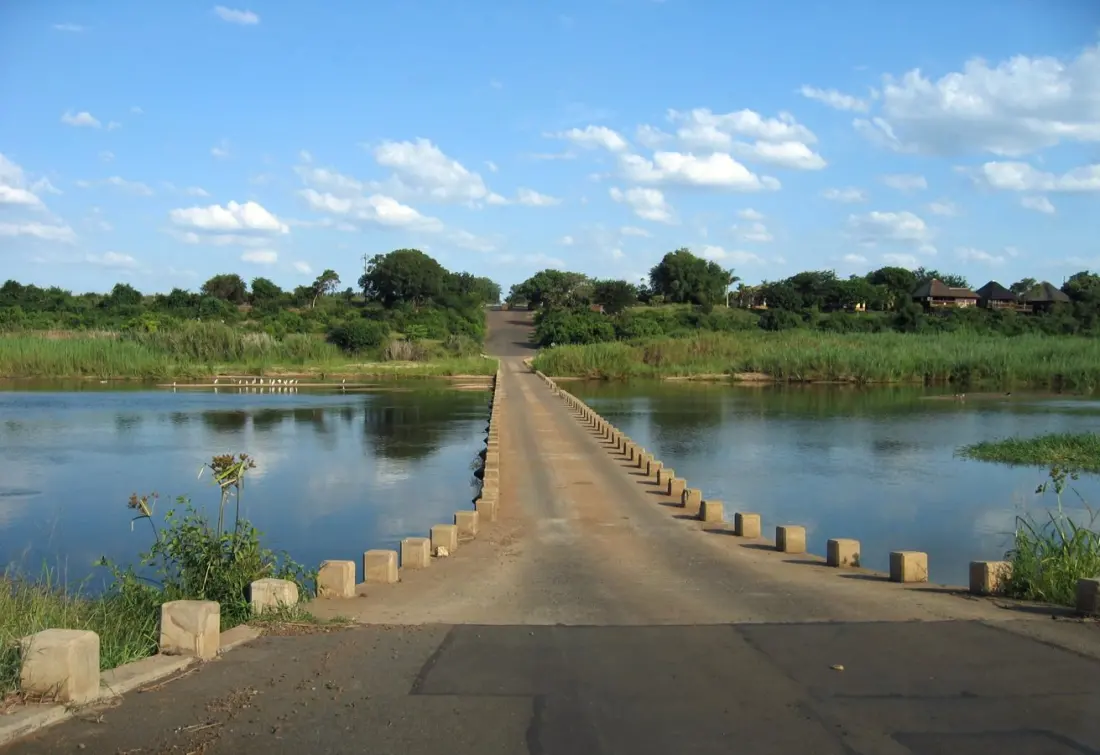
Traffic through the south-eastern corner of the Kruger National Park is getting extra scrutiny right now. On 14 September, South Africa's Hawks — the priority crime policing unit — resumed a coordinated wildlife-trafficking operation at Crocodile Bridge, the park gate near Komatipoort that links the reserve to nearby communities and, crucially, to smuggling routes out of the region.
The operation, dubbed Operation Thunder, brings together the Hawks' Nelspruit-based Organised Crime Investigation team, the White River K9 unit, Skukuza Vispol and Kruger's own Protection Services. Their brief is straightforward: stop and search vehicles moving through the area, identify people involved in the illegal wildlife trade, and intercept anything from trafficked animal products to endangered plant species before it leaves the park's orbit.
Colonel Magonseni Nkosi, spokesperson for the Mpumalanga Hawks, confirmed the focus is on investigating those behind the trafficking networks rather than one-off seizures. K9 teams add sniffing power at checkpoints, while Kruger Protection Services handle searches, verification and the day-to-day job of keeping visitors safe while all this happens around them.
Why does this matter if you're planning a safari? Kruger sits against a border region where wildlife crime is a persistent problem, and gates like Crocodile Bridge — one of the park's busiest southern entrances — sit right on the logistics chain that moves illegal goods out of Mpumalanga. Operations like this one are part of why the park remains a viable, well-protected destination rather than a depleted one. For travellers, the practical effect is minor: you may encounter checkpoint delays or vehicle searches when entering or leaving through southern gates, and the odd cluster of patrol vehicles. Rangers and police aren't there to inconvenience tourists — a cooperative attitude at a roadblock gets you through faster.
It's also a reminder of the bigger picture behind your park fees and conservation levies. Anti-poaching work in Kruger is a permanent, multi-agency effort, and the species visitors come to see — rhino, elephant, pangolin among them — depend on it. Choosing to visit, and reporting anything suspicious you happen to witness (tip-offs can be made anonymously), feeds directly into that system.
For most holidaymakers, none of this changes the appeal: Crocodile Bridge remains a handy, quieter southern entry point, close to the Crocodile River, with excellent game viewing on the surrounding loops and easy access from Komatipoort and the N4 corridor. Just budget a few extra minutes at the gate — the people in uniform are doing something that matters.