Kyrgyzstan has quietly become one of Central Asia's more interesting farm-and-mountain destinations, and a new government lending push is changing what travellers will see in the countryside. The Ministry of Water Resources, Agriculture and Processing Industry has made livestock breeding a national priority, backing farmers with preferential loans at an annual interest rate of just 3 percent.
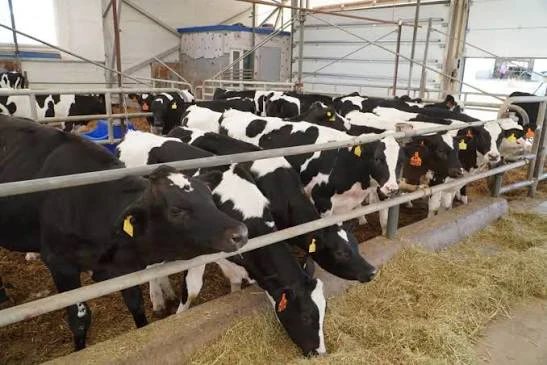
The numbers show it working. In 2025, 180 farmers borrowed more than 584 million soms through the scheme. The terms were revised for 2026, and by October 30 that year 238 borrowers had drawn on funding, with 91.3 percent of the allocated money disbursed. The most visible result: the number of livestock breeding farms jumped from 186 in 2025 to 232 in 2026.
Production is rising too. In the first nine months of 2026, egg output grew 22.6 percent — up 148.7 million eggs — while meat production climbed 3.9 percent (an extra 12,600 tonnes) and milk 2.4 percent (34,800 tonnes). Even wool edged up 0.5 percent. Encouraged by the results, the government plans to pour 7 billion soms into preferential livestock lending in 2027.
So why should a traveller care? Kyrgyzstan's appeal for visitors has always been tied to its rural life: horseback treks to high-altitude summer pastures, homestays in villages around Song Kol and Tash Rabat, kumis (fermented mare's milk) straight from the source, and bazaars stacked with local dairy and meat. A healthier, better-funded livestock sector means more working family farms open to agri-tourism, more reliable supplies of local food in guesthouses, and livelier seasonal festivals built around horses, herding and handicrafts. For anyone planning a community-based tourism trip, the countryside is only getting richer in things to see and taste.
It also signals where the country is heading. Kyrgyzstan has long marketed itself on mountains — the Tian Shan draw trekkers to Ala Archa, the Jyrgalan valley and the lakeside towns around Issyk-Kul — but farm-stays and culinary tourism are growing fast. A government betting big on livestock suggests more investment in rural roads, guesthouses and the kind of infrastructure that makes off-the-beaten-path travel easier.
If you've been toying with a Central Asia trip, this is a good moment. Kyrgyzstan remains one of the region's most affordable and welcoming stops, visa rules are generous for most Western visitors, and homestay networks mean you can experience the herding life up close rather than from a tour bus. Expect more farm experiences, more local cheese and meat on guesthouse tables, and more reasons to linger outside Bishkek.