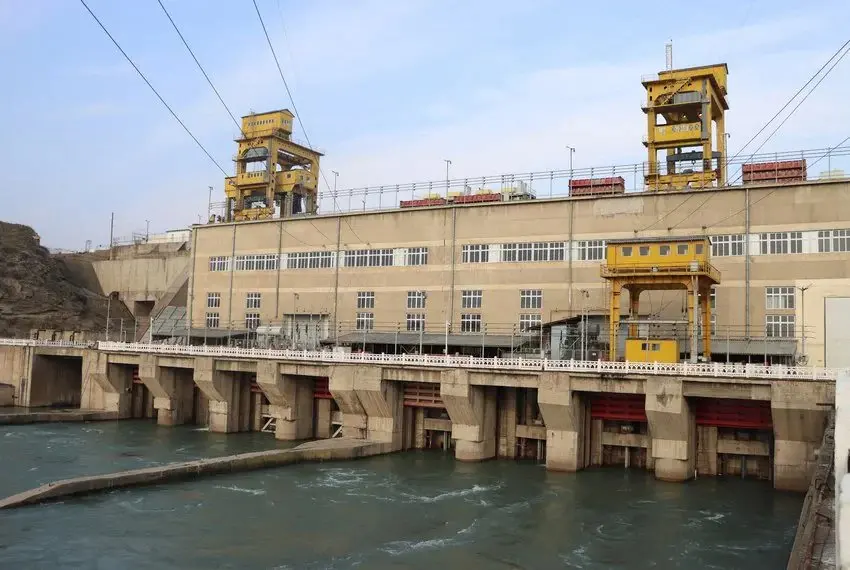
One of Kyrgyzstan's strategic power facilities has just gotten a major upgrade. Uch-Kurgan Hydropower Plant, run by Electric Stations OJSC, has completed the modernization of all four of its hydropower units, with unit No. 1 — the last in the queue — commissioned at a ceremony overseen by the company's director general, Ulugbek Mamyraliev.
The numbers behind the work are straightforward but significant. The four units previously had a combined capacity of 180 megawatts; after the upgrades, that figure has risen to 216 megawatts, a gain of 36 megawatts. Two units, No. 2 and No. 1, were upgraded in 2026, wrapping up a multi-year effort that the operator credits to coordinated specialist work, careful planning and management.
Why does a power plant story matter beyond the engineering? Because electricity reliability shapes how a country actually works — including its tourism infrastructure. Kyrgyzstan leans heavily on hydropower, and the upgrade is explicitly aimed at improving the performance of a strategic facility and keeping the national grid stable through the demanding 2026–2027 autumn-winter period, when heating demand peaks and generation capacity is under the most strain. Blackouts and seasonal shortages have long been a headache in Central Asian energy systems, so an extra 36 megawatts of dependable capacity is welcome news for households, businesses and hotels alike.
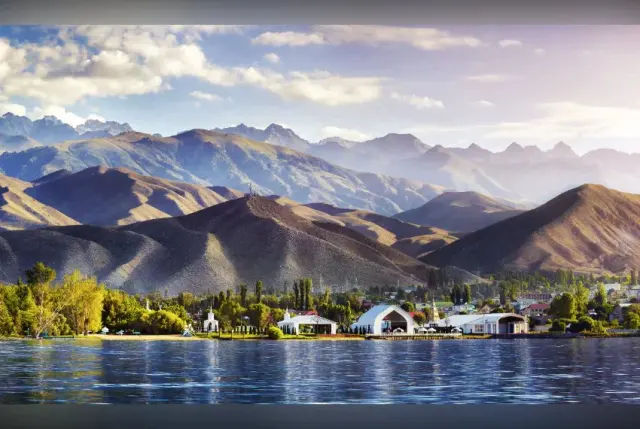
For travellers, the takeaway is indirect but real. Kyrgyzstan has been quietly building a reputation as one of Central Asia's most rewarding outdoor destinations — alpine lakes like Issyk-Kul, trekking around Karakol, horseback trips through the jailoos, and genuinely affordable prices compared with neighbouring Kazakhstan or Uzbekistan. A more stable power grid means guesthouses, yurt camps and mountain lodges can rely on basic services even in the colder months, which supports the country's push to extend tourism beyond the short summer season.
Uch-Kurgan itself sits on the Naryn River in the country's west, near the Uzbek border — a region most visitors pass through heading to or from the Fergana Valley. The dam and its reservoir are part of a chain of Soviet-era Naryn cascade stations now being progressively renewed, part of a broader push by Kyrgyzstan to modernize ageing infrastructure and even position itself as a regional electricity exporter.
Nothing here changes a holiday itinerary tomorrow morning. But if you're among the growing number of travellers eyeing Kyrgyzstan for trekking, eco-tourism or a Central Asian road trip, the story is a small signal of a country investing in its basics — and that tends to show up on the ground as better, more reliable services where it counts.
Story originally reported by 24.kg.