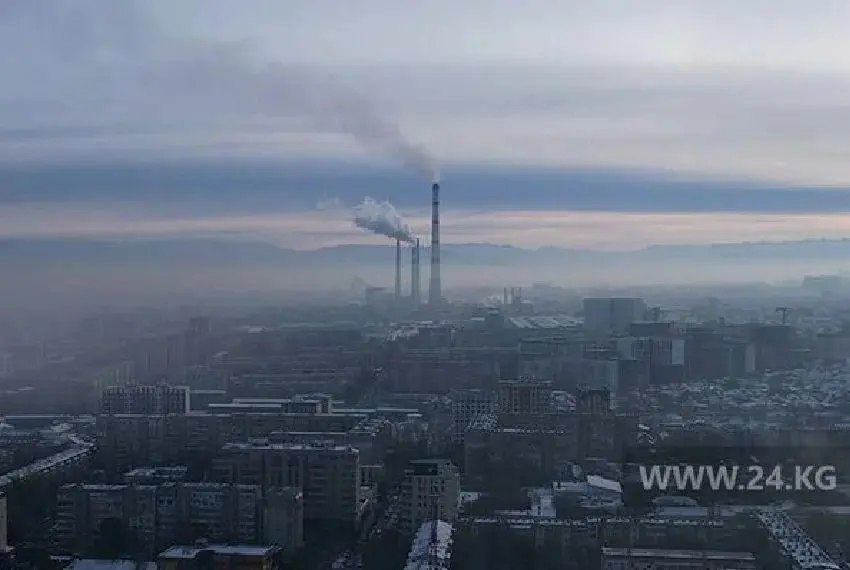
Bishkek, the capital of Kyrgyzstan, has popped up on a list no city wants to headline. On 26 October, the city ranked fourth among the world's most polluted major cities in a real-time global air quality ranking, recording an Air Quality Index of 153 as of mid-afternoon. That puts it firmly in the 'unhealthy' band — the middle of the six-level AQI scale, where sensitive groups are advised to limit prolonged outdoor exertion.
For context: a reading below 50 counts as good air, while anything above 300 is classed as hazardous. Bishkek's 153 sits well above the good threshold but nowhere near the worst extremes — still, being among the top five most polluted cities on the planet on any given day is a striking stat for a capital of barely a million people.
It's worth knowing that Bishkek's pollution is heavily seasonal. The city sits in a mountain-ringed valley, and when autumn cold sets in, coal heating, traffic fumes and temperature inversions trap smog over the centre. Late October marks the start of that window, and readings tend to worsen through winter before improving sharply in spring and summer.
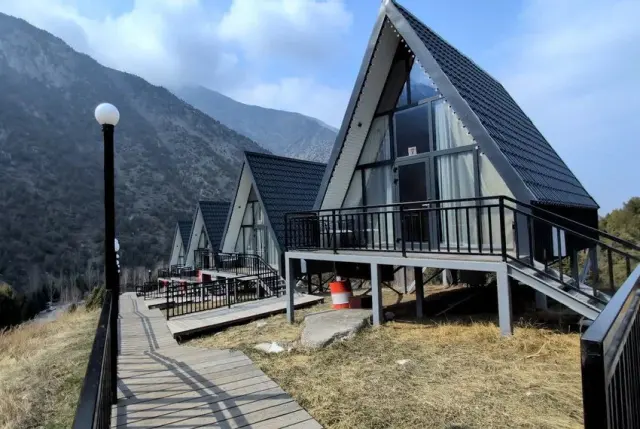
Does this mean travellers should skip Kyrgyzstan? Not really — but timing matters. The country's headline attractions, from alpine lakes like Issyk-Kul to the trekking hubs of Karakol and the Tian Shan, lie well outside the city and have clean mountain air year-round. Most visitors use Bishkek as a short stopover: a couple of days of Osh bazaar, Soviet-era squares and easy access to Ala-Archa National Park, less than an hour away. If you're passing through in the cold months, keep outdoor exercise in the city modest, and consider structuring your trip so Bishkek is a gateway rather than the main event.
For travellers with asthma or other respiratory concerns, planning a visit between roughly May and September is the simplest fix — that's when the AQI typically sits in the healthy range and the trekking season is in full swing anyway. In winter, a morning check of real-time AQI apps before a day of city sightseeing is a sensible habit, and hotels in the greener southern districts tend to feel less smoggy than those near major intersections.
The bigger picture: Bishkek appears in these rankings repeatedly each cold season, and locals have long campaigned for cleaner heating and transport. Until that changes, the practical advice for visitors is straightforward — enjoy Kyrgyzstan's extraordinary mountains, plan your city time around the pollution curve, and don't let one smoggy October morning define a country that is, once you leave the valley, one of the cleanest-air destinations in Central Asia.