
Luxembourg is smaller than many city metro areas, yet it somehow squeezes in more than 70 castles, a UNESCO-listed capital, sandstone canyons nicknamed Little Switzerland, and a wine valley that has been at it since Roman times. Better still, it was the first country in the world to make all public transport free — every train, tram and bus costs €0 — so the only real planning decision is where to start.
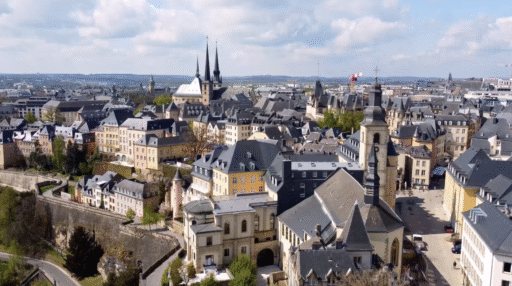
Start in the capital, where the UNESCO-listed old town layers history within a few minutes' walk. The Chemin de la Corniche — billed as Europe's most beautiful balcony — looks over the Alzette valley before a lift drops you into the Grund, a riverside quarter of half-timbered houses and quiet café lanes. Up on the plateau, the Grand Ducal Palace anchors the Upper Town; Luxembourg remains the world's only sovereign Grand Duchy. Culture runs deep here: Ieoh Ming Pei (of Louvre Pyramid fame) designed the modern art museum to grow straight out of an 18th-century fort's ramparts, and next door the Musée Dräi Eechelen occupies that same fort's tunnels, unchanged since 1837, with 600-plus objects telling the fortress story. The MuseumSmile route links seven museums across the old town, and seasons bring free Summer in the City concerts and, in winter, the Winterlights Christmas markets with vin chaud and Kniddelen.
Head north to the Éislek and the country turns green and dramatic. Vianden's creamy hilltop castle — among Europe's finest — has a chairlift to reach it and a nine-day medieval festival each summer. Bourscheid, the country's largest castle, is nearly a thousand years old and floodlit at night, while Clervaux Castle holds a genuine surprise: The Family of Man, over 500 photographs curated by Luxembourg-born Edward Steichen in the 1950s and recognised by UNESCO.
East of the capital, the Mullerthal — everyone calls it Luxembourg's Little Switzerland — is mossy ravines, rock formations and streams under wooden footbridges. The 112km Mullerthal Trail is broken into day-sized stages, and the national MoveWeCarry luggage service means you can walk it with just a daypack. Nearby Guttland offers the 25km Valley of the Seven Castles drive, passing keeps that are still lived in, like Ansembourg, a count's private residence with gardens open for tours.
The far south flips the script again. The Minett was iron-ore country for a century; when the mines closed, nature reclaimed the terraces. Wild orchids now grow through rust-red rock at Prënzebierg–Giele Botter, and the 90km Minett Trail strings the reborn landscapes together like an open-air museum.
Finally, the Moselle valley in the east: vines in neat rows down to a slow river, winemaking villages along the bank, and a young generation pushing sustainable viticulture. Try buttery Crémant, bright Riesling and fruit-forward Auxerrois. Food across the country swings from Michelin-starred dinners to bistro plates of Kniddelen — dumplings under bacon and cream — plus local honey, cured hams and tiered bamkuch cake at celebrations.
For a traveller, the appeal is obvious: an entire country's worth of castles, hikes, wine and culture reachable without a car, a fuel budget or more than an hour or two between completely different landscapes.