A new private equity fund is being built to back small, locally owned businesses in Fiji, Tonga and Vanuatu, and it has just secured a serious anchor investor. The Green Climate Fund has put US$15 million into the Matanataki Pacific Fund 1, which aims to raise US$60 million in total and back roughly 15 to 20 businesses and community cooperatives across four areas: waste management and recycling, regenerative agriculture, sustainable fisheries and low-impact tourism.
The fund is billed as the Pacific's first dedicated adaptation-focused private equity vehicle, and its structure is deliberately designed for the region. Rather than standard equity deals that can strip ownership away from founders, it will use self-liquidating instruments — patient capital structured so businesses and communities keep control and build local wealth. A donor-funded technical assistance facility will help enterprises get investment-ready, and women are named as central beneficiaries and decision-makers.
The stated environmental ambition is sizeable: restoring or protecting more than 50,000 hectares of land and marine ecosystems. That matters because coral reef degradation across the Pacific threatens food security, coastal protection and the livelihoods of communities that depend on fishing and tourism. The fund's core argument is that these small climate-adaptation businesses are usually shut out of commercial finance — deals are too small, exits too murky — so blended finance can bridge the gap while still aiming for commercial returns.
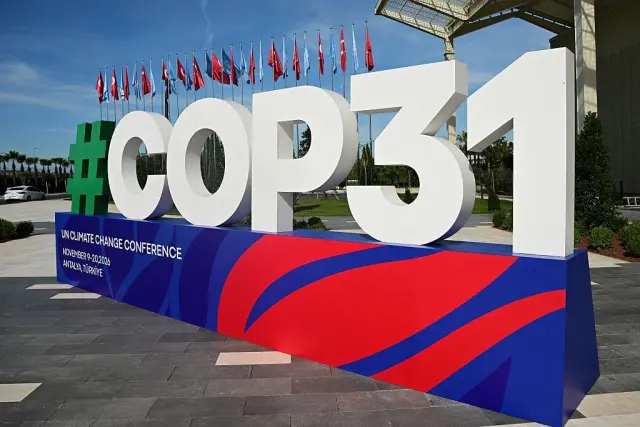
Elsewhere in the same Pacific news bulletin, a sobering UN report warns that the ocean — which absorbs about 30 percent of human-caused carbon dioxide and 90 percent of excess heat — has already lost roughly six percent of its carbon absorption capacity due to climate change, with the decline possibly accelerating ahead of COP31. The report highlights blue carbon ecosystems like mangroves, seagrasses and salt marshes, which already lock away around 407 million tonnes of CO2 a year, and notes that Fiji, Papua New Guinea, Solomon Islands and Vanuatu have received support to map their seagrass and mangrove carbon stores.
There's also an awkward story from Tuvalu. Internal New Zealand government documents obtained by AFP show the atoll nation — one of the world's loudest climate advocates — has "limited ability" to steer its own US$200 million Tuvalu Trust Fund away from fossil fuel holdings, because the fund is invested through broad market vehicles. The fund says its portfolio carbon footprint dropped 42 percent between 2020 and 2025, but experts question whether that reflects deliberate choices.
For travellers who love the Pacific, these stories are the backdrop to every holiday there: reef health determines diving, fishing and beach coastlines; local ownership determines whether tourism money stays in villages; and climate finance shapes how resilient these destinations will be over the coming decades. A fund deliberately backing low-impact, locally run tourism enterprises is worth watching — it could change who benefits from your next island trip. — Islands Business