It's the stuff of cruise nightmares: you're standing on the pier watching your ship pull away. It happens more often than you'd think — and while the outcome depends largely on how you spent your day in port, there are clear rules for avoiding it and recovering from it.
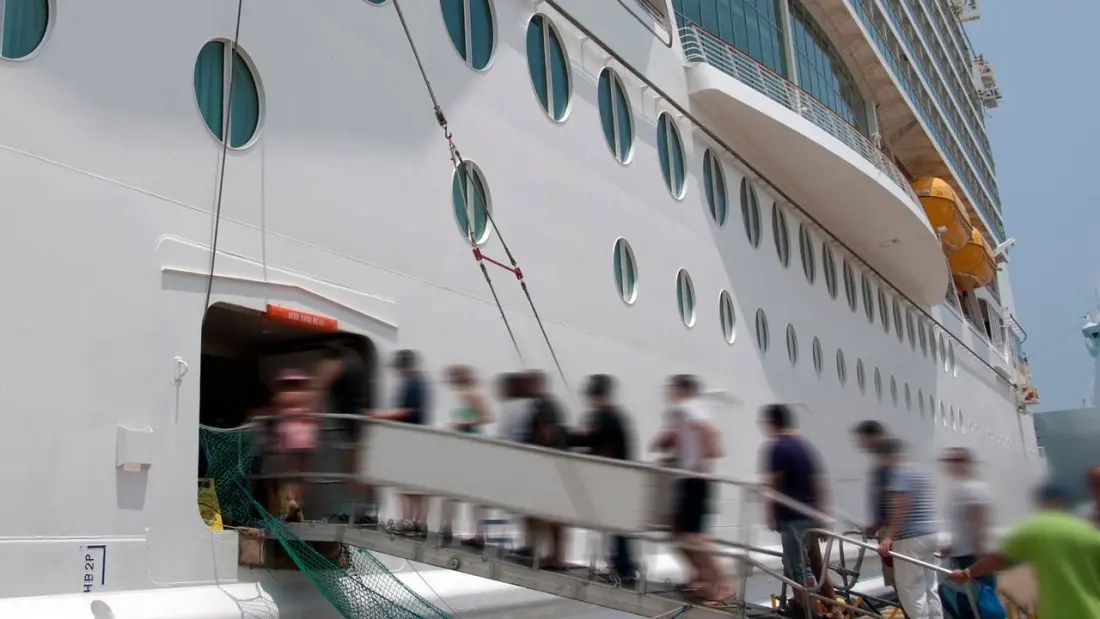
Every cruise line publishes an "all aboard" time for each port, and it's a hard cutoff, not a suggestion. Port authorities enforce strict docking slots, so ships leave on schedule. Often you'll need to be back a full hour before departure. The time is announced via loudspeaker, daily newsletters, cabin notices and signs near the gangway — but if in doubt, ask a crew member and write it down.
Here's the key distinction: book a shore excursion through the cruise line and the ship waits for you. Carnival, Royal Caribbean and NCL all publish this guarantee — if a line-organised tour runs late, the cruise line will even cover the cost of getting you to the next port. Strike out on your own, though, and you're on the hook. Royal Caribbean's terms are blunt: the ship "will not wait for any guest faring on their own," and rejoining at the next port is entirely your expense. If you explore independently, set an alarm for your turnaround time, tell any private guide your deadline clearly, and be extra conservative in remote ports where onward transport options are thin.
Flights can wreck things before you even board. Travel specialists suggest arriving at your departure city at least two days early to buffer against delays. If a delayed flight makes you miss embarkation, lines like Royal Caribbean have an Emergency Travel Team that can sometimes arrange for you to join at the next port — but only with proper documentation, and only if you're prepared to discuss options with them. If you booked your own flights independently of the cruise line, expect to pay your own way to catch up.
So you've missed it anyway. Don't panic: cruise lines leave your passport with their port agent specifically so you can rejoin the ship in another country. Head to port staff first — the line's agent can hand over your passport and help you contact the ship. Then call your travel insurer. If you didn't buy a policy, check whether your credit card includes travel cover; using the card to pay for the trip often activates it. Insurance experts point to two useful benefits: "missed connection" cover, designed for catching up at your destination, and "travel delay" cover, which can reimburse rebooking, meals and accommodation after delays of roughly 3-12 hours. Keep every receipt. And if you haven't insured your cruise yet, you can buy a policy up until the day before departure and still get full benefits.
A few habits go a long way: carry your insurance card and a major credit card every time you step ashore, keep your passport somewhere easy to locate in your cabin, and treat the all aboard time as sacred. A little buffer in your planning beats a frantic scramble — or an expensive ferry ride — later.
Story via Condé Nast Traveller UK.