The FAA rarely halts every departing flight in the United States at once. On Friday, it did exactly that — and the culprit was not a cyberattack, but a routine infrastructure upgrade gone wrong. Over 10,000 flights were cancelled in a single day, with delays expected to ripple through the weekend as airlines shuffle aircraft and crews back into position.
The failure traced back to L3Harris Technologies, the defence contractor that runs the FAA's legacy telecom network. Technicians were swapping an old copper line for fiber-optic cabling at a remote site when the system collapsed. According to Transportation Secretary Sean Duffy and FAA Administrator Bryan Bedford, the router involved flooded the private air traffic control network with connection attempts — roughly 1,000 every few seconds. The routers at the heart of it, Cisco 600-series machines around 25 years old, became overwhelmed and pushed out-of-sync data across the wider system.
For about 45 minutes, 17 of the FAA's 22 enroute control centres experienced instability, degrading pilot radio communications and radar feeds. The FAA ordered a nationwide ground stop as a precaution, lasting up to four hours before flights resumed at 8:15 PM EST. Aircraft already airborne landed safely; everything waiting to leave the US — and flights worldwide heading inbound — sat at the gate. Officials say there was no sign of a cyberattack and no link to the FAA's new AI controller tool. Investigators are still weighing whether a defective router or a technician installation error caused the cascade. Notably, a similar fiber transition failed in 2009, disrupting up to 129 FAA facilities.
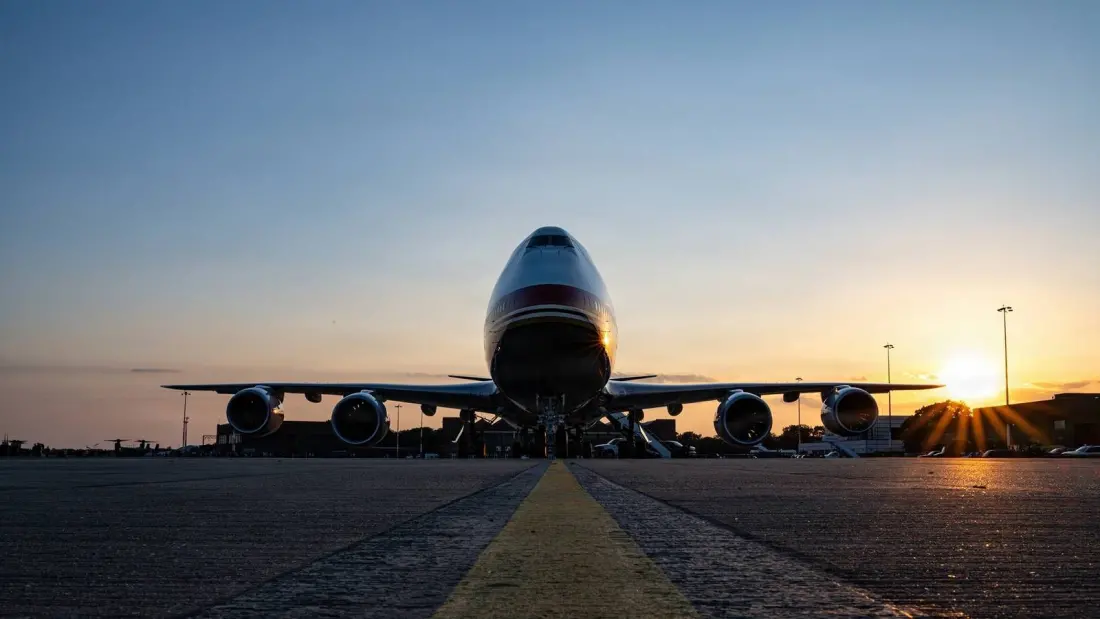
There's an awkward side story: L3Harris is also the firm the Pentagon tapped to rapidly retrofit the Qatari-donated Boeing 747-8 now serving as an interim Air Force One until the new jets arrive in 2028. That fast-tracked overhaul covered communications and livery but skipped the full hardened countermeasures suite of the older VC-25A — gaps that became apparent after a security threat in Ankara forced a mid-trip aircraft swap, and the 747-8 was pulled offline for extra upgrades.
For travellers, the practical takeaway is that US air traffic control is running on fragile, decades-old equipment, and single-point failures can now ground the entire country. Duffy is pressing Congress for up to $50 billion to replace the system wholesale, but until that money arrives, similar disruptions remain a real risk. If you're flying to or within the US in the coming days, check your flight status before heading to the airport and expect lingering knock-on cancellations as schedules normalise.