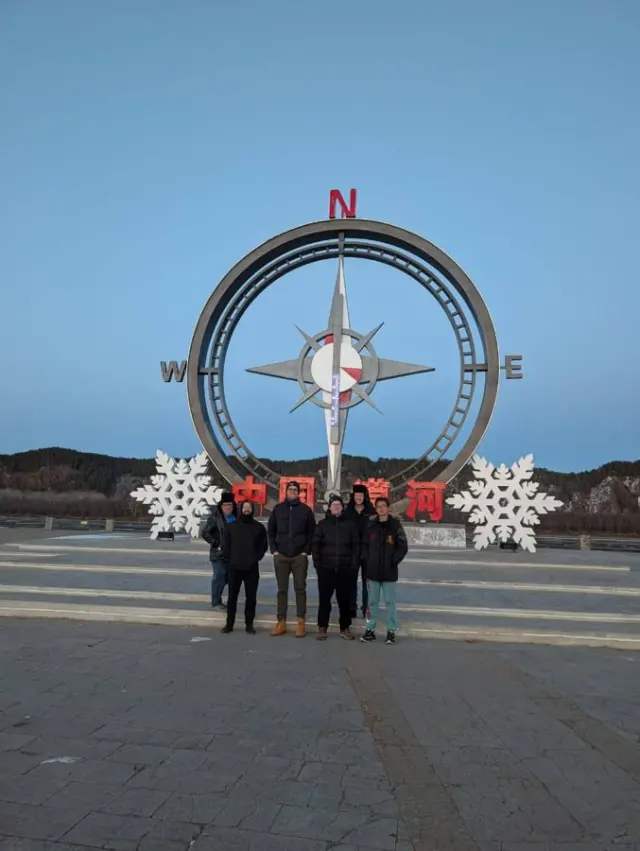
Mohe sits at the very top of Heilongjiang province, hard against the Russian border, and snow is on the ground for much of the year. A gold rush town founded after the 1880s finds, it later became a forestry and mining outpost, was scarred by the catastrophic 1987 forest fire that killed over 2,000 people, and today leans on tourism with a population of around 54,000. It's remote, quirky and increasingly popular with travellers chasing the novelty of standing at China's northern tip.
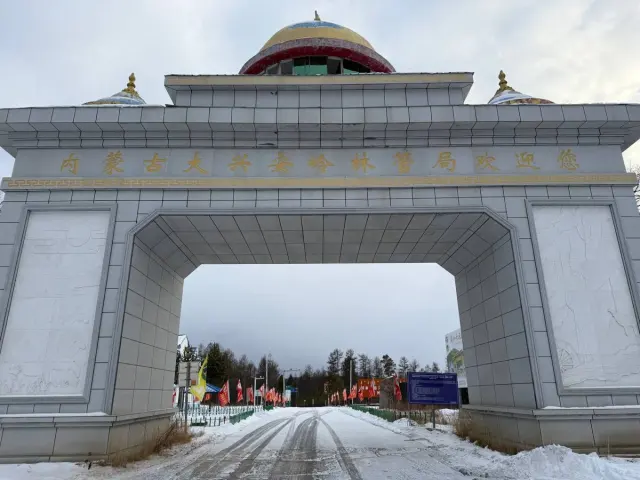
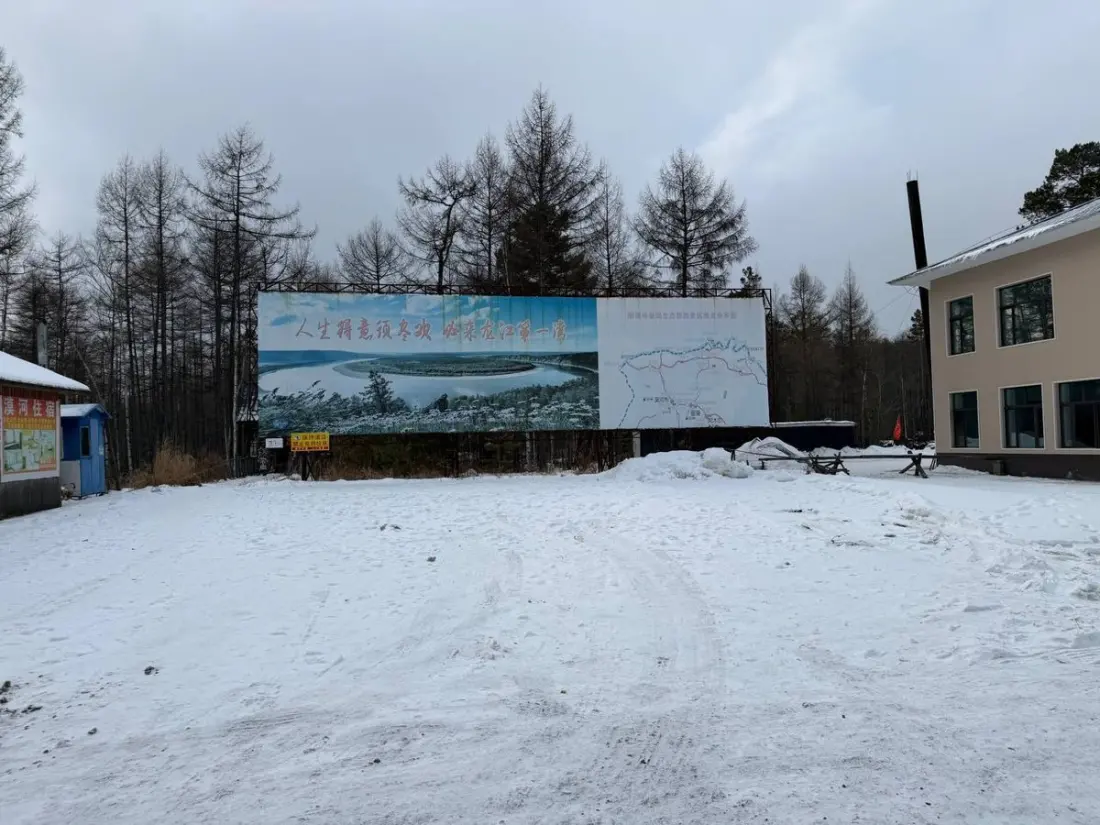
The town itself is modest - a square to stroll, snowmen to build. The real draws are the border villages. Arctic Village (Beiji) is the country's northernmost tourist village: monuments, photo ops and, by most accounts, a fair bit of tourist kitsch. Beihong Village, two hours away, is the genuine article - a real border settlement reached through scenic forest roads, and generally the more rewarding stop. Between them, Longjiang First Bay offers a dramatic bend in the Amur River from a viewing platform at the top of roughly 900 steps.
There's oddball stuff too. The Arctic Christmas Village is China's take on Lapland, Santa's house included. In town, Songyuan Park is a pocket of forest that survived the 1987 fire. And the Mohe Ballroom has become famous thanks to Liu Shuang's song about Zhang Dequan, who kept dancing there alone after losing his wife in that fire - still a working local ballroom rather than a tourist bar.
Food is simple Dongbei fare: BBQ, cold noodles and a local take on kimchi. Nightlife is essentially one cafe-bar, BeiBei Cafe, which serves beer and baijiu if not much atmosphere. Accommodation is affordable - central hotels like the China Inn on Chaolin Road or the Peak Yuezhiyue run roughly US$30-47 a night, while staying in Arctic Village itself costs around US$35-92.
Getting there takes planning. The overnight train from Harbin is the classic option: about 16-18 hours, with seats from roughly ¥150 and sleepers from ¥255. Mohe Gulian Airport (OHE) has limited domestic flights, mainly to Harbin (about 1.5 hours, from around ¥375), though weather cancellations are common in winter. Drivers can link Mohe with Genhe in Inner Mongolia (about 6 hours) or Tahe and Huma for a broader Heilongjiang loop.
Mohe isn't somewhere you'd linger for a week, but as the northern anchor of a China-Russia borderlands route - paired with Heihe or the forests of the Greater Khingan range - it's a genuinely memorable stop, especially when snow arrives out of a clear sky.