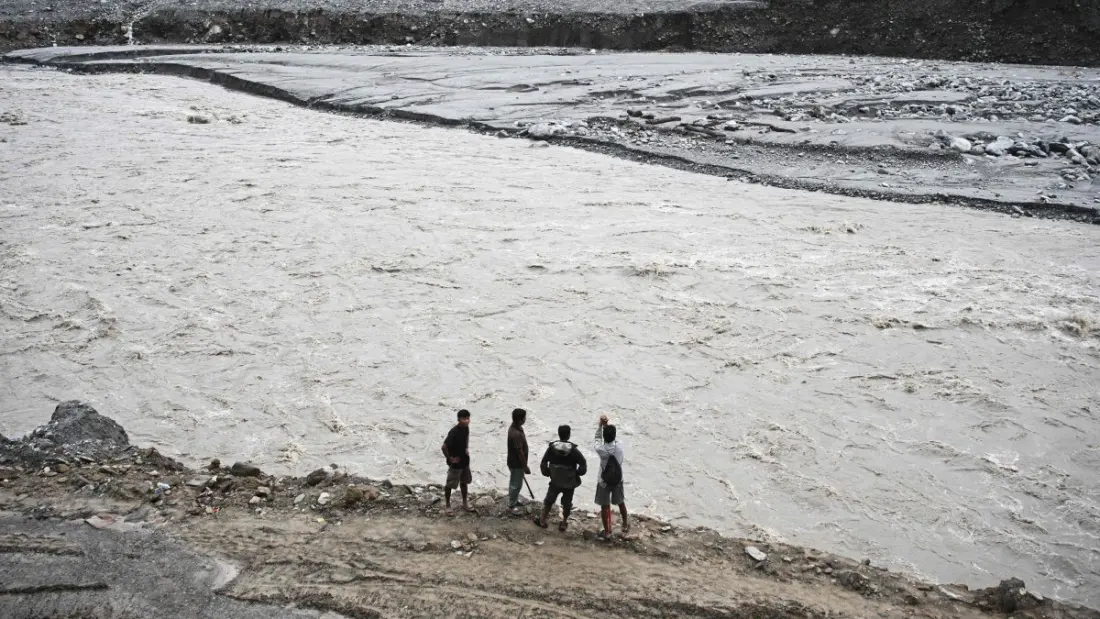
Three days of relentless monsoon rain have killed at least 68 people across northern India and Nepal, damaged more than 1,000 homes, forced the evacuation of 70,000 people in Odisha, and shut down a popular waterfall destination — a stark reminder of how disruptive South Asia's rainy season can be for locals and travellers alike.
The worst-hit area was Uttar Pradesh, India's most populous state with more than 240 million residents. Officials there reported 56 deaths and over 1,000 damaged houses in just 72 hours. The state's Relief Commissioner's office attributed the destruction to a weather depression that moved inland from the Bay of Bengal and intensified rainfall. The numbers are striking: Uttar Pradesh recorded 66.5 millimetres of rain between Friday and Sunday, against a seasonal average of just 7.6 millimetres.
In neighbouring Nepal, 12 people have died since Thursday in floods and landslides, with seven more missing, according to the country's disaster authority. The country is still recovering from a far worse catastrophe on August 26, when a glacial collapse on the China-Nepal border triggered flooding that killed more than 1,400 people and left thousands unaccounted for.
In eastern India, swollen rivers prompted the evacuation of more than 70,000 people from low-lying areas of Odisha state. The rain damaged bridges and culverts, and authorities closed Devkund, a popular waterfall and tourist spot in the state, until further notice. Beyond the immediate danger, heavy rain has hit crops hard, with farmers warning of delays to the next sowing season.
Why does this matter for travellers? The monsoon, running roughly June to September, is an annual reality across India and Nepal, and scientists have warned that climate change is making these extreme rain events more frequent and severe. Anyone planning a trip to the Himalayan foothills, Nepal's trekking routes, or northern India in late monsoon season should watch weather warnings closely, expect road and bridge closures, and check whether national parks, waterfalls and trekking areas are open before setting out. Travel insurance that covers weather disruption is worth considering, and itineraries built with flexible dates will age far better than tight ones.
Story reported by Agence France-Presse via Daily Sabah Travel.