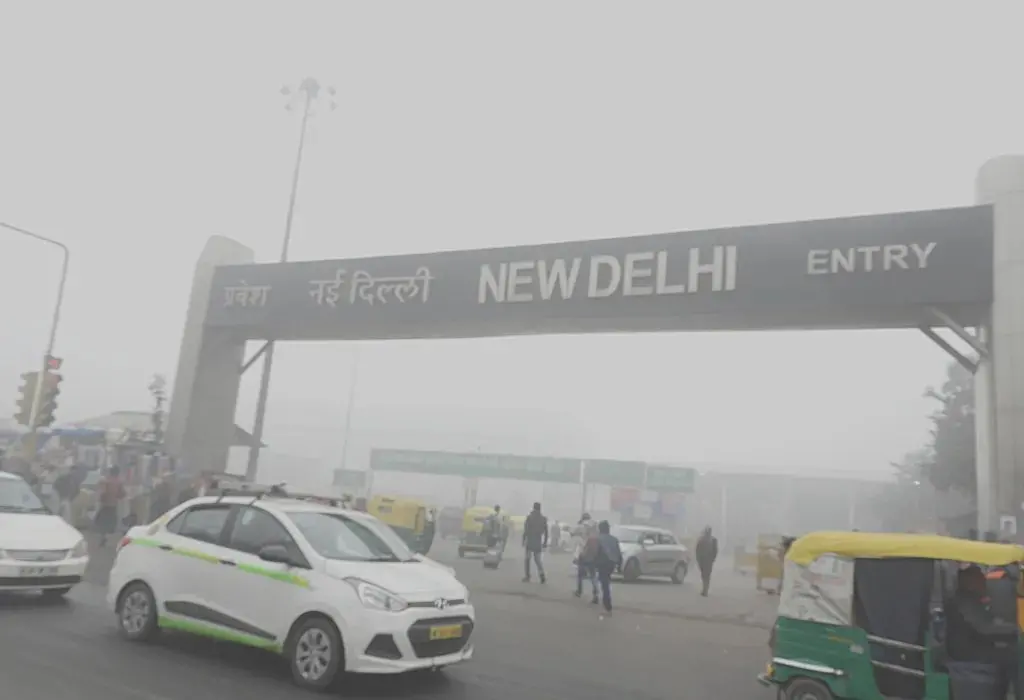
Every winter, Delhi and much of northern India disappear under a thick layer of smog — and the timing could hardly be worse for travellers. The pollution season, from late October to February, overlaps almost exactly with India's peak tourist months, when foreign visitor numbers are at their highest and when Delhi serves as the main gateway for international arrivals.
The cause is partly geography. Delhi sits on the Indo-Gangetic Plain, and the Himalayas act as a wall that stops polluted air from drifting north. Cold winter air traps smoke, vehicle exhaust, crop-burning residue and industrial emissions in place for months. Diwali celebrations, with their firecrackers, add another spike to readings in late October or early November.
The numbers are alarming. On the morning of Saturday, November 7, Delhi recorded a U.S. Air Quality Index value of 581, according to figures from Swiss air monitoring firm IQAir cited in reports — by far into the "hazardous" zone, which begins at 301. That made Delhi the most polluted major city on the planet at that moment. Even after conditions eased, the city was still ranked second-worst globally, behind Lahore in Pakistan.
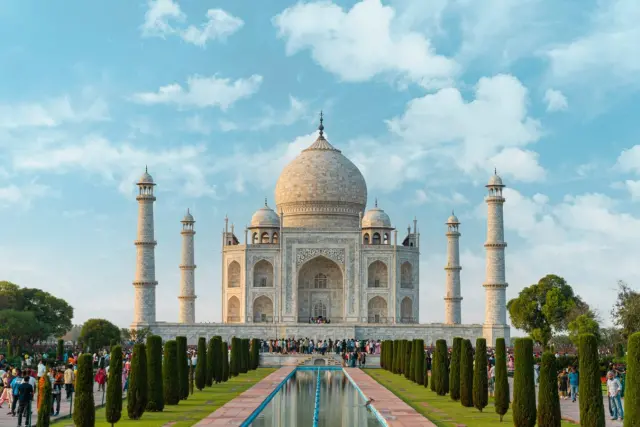
For anyone planning a Golden Triangle itinerary or a northern India trip this winter, the air quality is not a footnote — it can shape the whole experience. Sightseeing in Delhi, Agra or Jaipur during a hazardous spell means reduced visibility at the monuments, cancelled outdoor activities, and genuine health risks, particularly for children, older travellers and anyone with respiratory conditions. Masks rated N95, indoor museum days and limiting exertion outdoors are sensible precautions when readings spike.
There are workarounds. Timing matters: air quality tends to improve in fits and starts, so checking live AQI readings before booking day trips is worth the effort. Travellers with flexibility could favour southern India — Kerala, Karnataka, Tamil Nadu — or the hills, where winter air is cleaner, and route through Delhi only for the flight connection. Others simply accept that this is the price of visiting India in its most comfortable season for weather, when temperatures are mild rather than scorching.
The issue is also being felt across the travel industry. Tour operators selling northern India itineraries face questions from clients about health and safety, and the problem is increasingly framed as a climate-related risk to one of India's most valuable tourism periods. With the smog returning reliably each year, it is becoming something travellers need to plan around, not just read about.
Bottom line: India in winter is still a superb trip, but if your route passes through Delhi between November and February, keep an eye on the air quality index, pack a proper mask, and consider building in time somewhere with cleaner air. The Taj Mahal will still be there — but you want to be able to see it.