No tiger showed up. That was the honest verdict after 3.5 hours of dawn safari in Karnataka's Nagarhole Tiger Reserve, a five-hour drive from Bengaluru, where a writer from The Hindu chased the big cat through a dripping green monsoon forest — and still came away calling it worth every minute.
The timing matters. Karnataka's jungle safaris resumed recently after a temporary government ban imposed late last year over human-animal conflicts, and this is the first monsoon season back in action. Tourists have been showing up in force, and sightings have been promising: rangers and naturalists reported tigers on safaris the day before this particular outing. The reserve supports roughly 149 tigers, so the odds sound better than they feel at 6am in the cold.
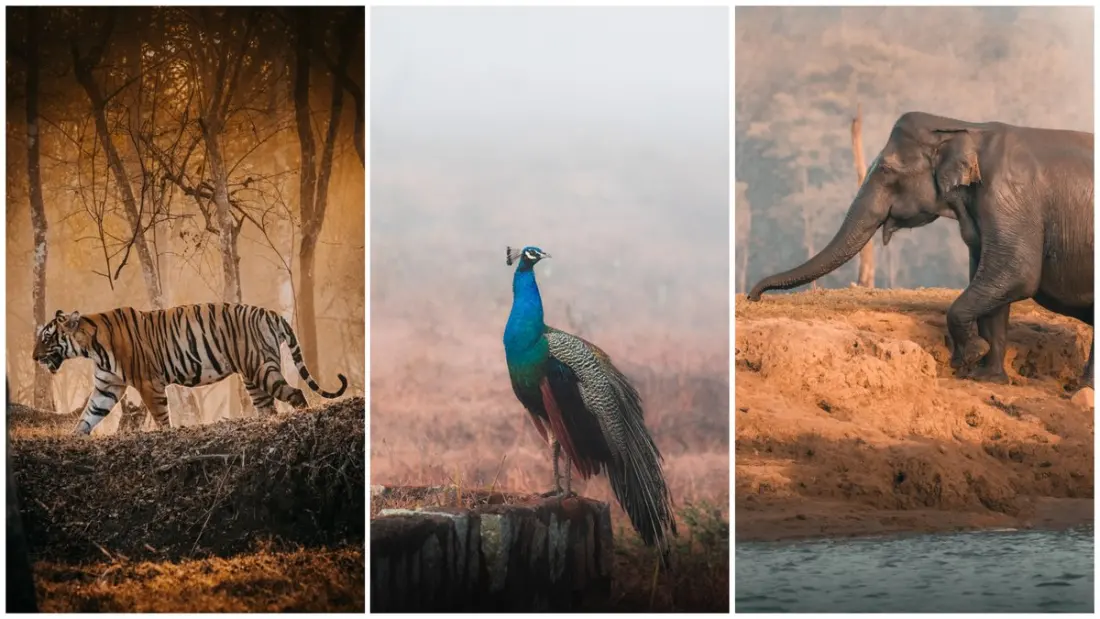
The morning game drive runs out of the State-run Jungle Lodges and Resorts, with safari-goers packed into jeeps and canters and led by naturalists — in this case Chamaraj of The Serai Kabini, alongside driver Abhi. What followed is classic safari rhythm: hours of spotted deer, peahens, owlets and a serpent eagle, naturalists swapping WhatsApp voice notes across the forest to track movement, a rushed tea break, then a full-throttle U-turn when word came crackling through that a tiger had been spotted. The group arrived to find fresh pugmarks beside a waterhole and nothing else. It's a good illustration of safari etiquette too — no videos if you do find one.
The afternoon offered a softer counterpoint: a 3.5-hour boat safari on the swollen Kabini River, which rises in Wayanad and splits Nagarhole National Park from Bandipur Wildlife Sanctuary. Gliding past tribal villages, the group clocked kingfishers, ospreys, langurs, a family of otters, wild jackals and two crocodiles — a combination the naturalist called genuinely unusual for the monsoon. Back at the lodge, the day closed with a baale yele oota, a traditional Karnataka feast on a plantain leaf: Maddur vada, bisi bele bath, obbattu, sambar and the rest, washed down with neer moru.
The Kabini side of the trip rounds out with guided nature walks on the resort property — red silk cotton, jamun and mahogany trees, weaver birds stitching nests, and a guide explaining how local tribal communities still gather forest herbs and fruits for medicine — plus coracle rides and sunset boat trips with long-serving local boatmen.
For travellers, the takeaway is refreshing: a safari isn't a transaction where you exchange money for a tiger. Even with the headline cat missing, the writer left with otters, crocodiles, a river at full spate and a proper feast. As the hotel's front office manager puts it, go in with zero expectations and come back with many memories. If you want the jungle at its greenest and quieter waterways, the monsoon — often skipped in favour of the dry season's guaranteed sightings — is a surprisingly rewarding window.
The Hindu Travel