Everyone's retirement daydream looks like Italy or Greece. But when International Living surveyed its readers about which emerging destinations they most wanted to learn about for 2026, one small Balkan country came out on top: Montenegro. Roughly the size of Connecticut, it packs an Adriatic coastline, dramatic mountains and a seriously layered history into a very compact package — and it costs less than its better-known Mediterranean neighbours.
The money angle is the big one. International Living estimates a couple can cover everyday expenses, rent included, on around $2,000 a month, and private health insurance starts from roughly $110 monthly. That's a far cry from coastal Italy. There's a catch worth knowing: Medicare doesn't work abroad, and the US State Department flags that public clinics can be under-supplied, so solid private cover is essential.
Residency is surprisingly accessible. Americans, Brits, Canadians, Australians, New Zealanders and Japanese visitors get 90 visa-free days in any 180. For longer stays, property ownership opens a route to a temporary residence permit — under rules effective January 2026, US applicants need a property with a tax-assessed value of at least €150,000, plus health insurance and proof of funds. Montenegro isn't in the EU yet but is a formal candidate targeting membership by 2028.
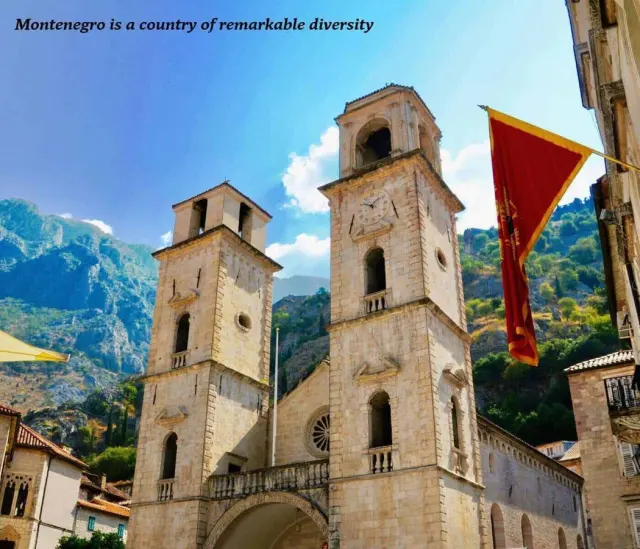
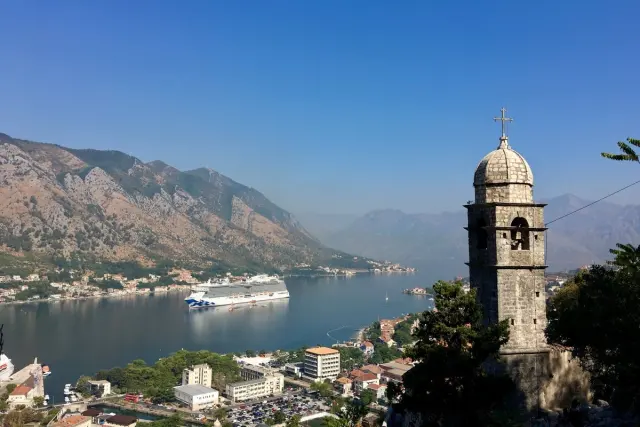
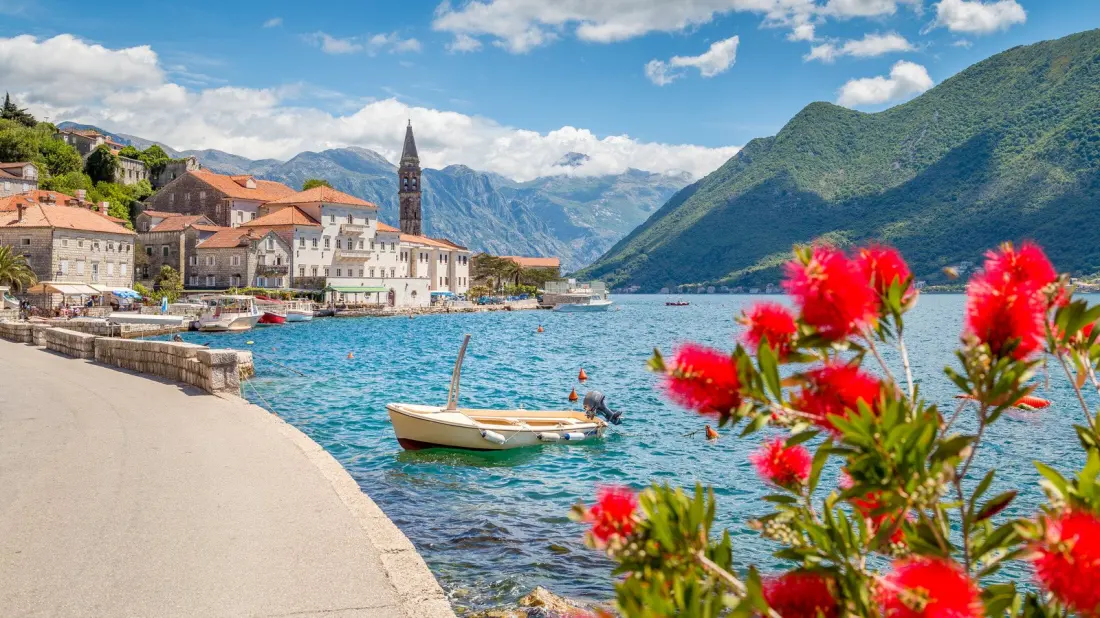
For holidaymakers, the country splits neatly in two. The coast offers more than 100 beaches: Ulcinj's Long Beach stretches over seven miles of dark sand, Jaz Beach on the Budva Riviera draws the water-sports crowd, while Trsteno and Mogren offer prettier, quieter coves. Kotor is the cultural anchor — a UNESCO World Heritage Site on a fjord-like bay, anchored by 12th-century St. Tryphon's Cathedral, with the sleepier waterfront village of Perast nearby. Roman mosaics survive in Risan, and Ulcinj shows its Ottoman past in its old town architecture.
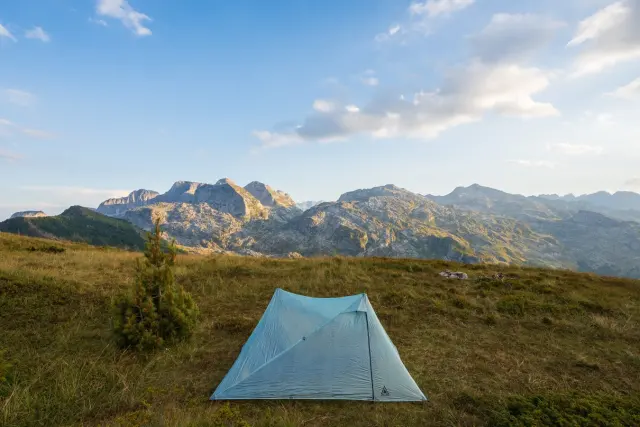
Inland, the mood changes completely. Durmitor and Prokletije national parks serve up canyons, forests and serious hiking, plus whitewater rafting, and Savin Kuk doubles as a ski resort in winter. Tivat's Porto Montenegro marina brings the superyacht set, though a free stroll along the waterfront costs nothing.
Why does this matter if you're not retiring? Because Montenegro is where the Med felt twenty years ago — uncrowded beaches, medieval towns, mountain scenery — at prices that still leave change. Getting there is easy too: two international airports (Tivat and Podgorica) serve the country, and you can even fly into Dubrovnik in Croatia and cross the border, though the drive needs factoring in. Buses link most towns cheaply, and the whole country is small enough to cross in a day.
For anyone eyeing the retirement route rather than a fortnight in the sun, the maths — and the paperwork — are more approachable than almost anywhere else on the Mediterranean. Just go before everyone else catches on.