Palau's president has publicly pushed back against Chinese pressure to drop Taiwan, and the way he tells it, the pitch was straight out of the tourism playbook. According to a report by POLITICO carried by PACNEWS, President Surangel Whipps Jr said Beijing's ambassador told him China could deliver a million tourists and build all the hotels Palau wants — then warned of retaliation if the tiny Pacific nation didn't comply. His answer: recognising Taiwan is "our choice, not yours."
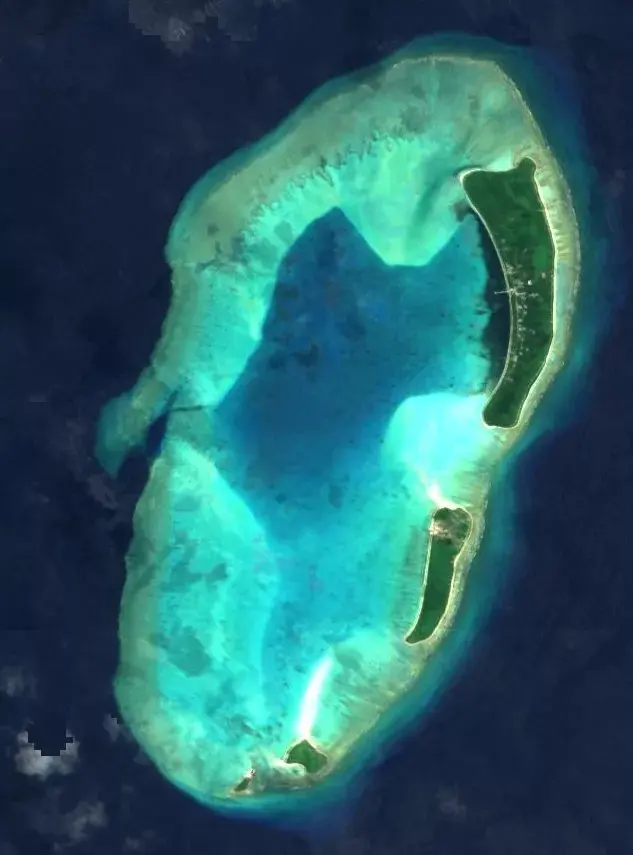
Palau is one of the world's smallest countries — around 18,000 people spread across a handful of Rock Islands and reef lagoons — and one of only a few Pacific states that recognise Taiwan. Relations with Beijing worsened after Palau hosted the Pacific Islands Forum leaders' meeting in August and September, giving Taipei's delegation far more access than usual, including an appearance by Taiwan's president at the opening ceremony. China warned of "consequences".
Why should travellers care? Because Chinese tourism pressure has real consequences for how Palau works as a destination. Beijing banned group tours to Palau back in 2017 over the same diplomatic rift, gutting a visitor market that had been flooding in with charter flights and hotel investment. The country's tourism economy has since leaned harder on Taiwan, Japan, South Korea and the United States. A reopening to Chinese mass tourism — or a further escalation — would reshape hotel prices, flight routes and crowd levels at sites like Jellyfish Lake and the Blue Corner dive spot.
Whipps also raised the July incident where China tested a long-range ballistic missile into the South Pacific, landing near or inside Tuvalu's exclusive economic zone after travelling more than 7,000 kilometres. He questioned why the test happened "in the middle of all our islands" and called on Japan and Korea to step up regional security alongside the United States, on which Palau relies entirely for defence under its Compact of Free Association.
Palau's ties to Japan run deep — it's a former Japanese colony and roughly a quarter of residents have Japanese heritage — which keeps Tokyo flights and cultural links strong. That mix of American security backing, Japanese affinity and Taiwanese friendship is precisely what Beijing is trying to unpick, and Palau is betting its sovereignty matters more than a flood of visitors.
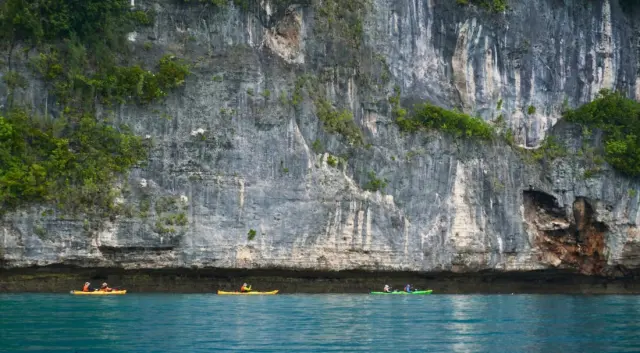
For now, the practical takeaway for anyone eyeing a trip: Palau remains open, welcoming and unchanged on the ground. If anything, its stance reinforces what makes it distinctive — a small, self-directed nation protecting one of the healthiest marine environments on the planet rather than chasing volume tourism. Its Pristine Paradise environmental fee already funds conservation, and visitor caps protect fragile sites. Geopolitics may rumble in the background, but the diving, kayaking and World Heritage-listed Rock Islands are as good a reason as ever to book — arguably more so while the country still has the scale and calm that mass tourism would erode.