It takes over half a day to drive from Hà Nội to Lao Chải 1, a small village of just over 40 households in Lai Châu Province's Khun Há Commune. That used to be a problem. Now, increasingly, it's the point: the difficulty of getting there is part of what makes the trip worthwhile.
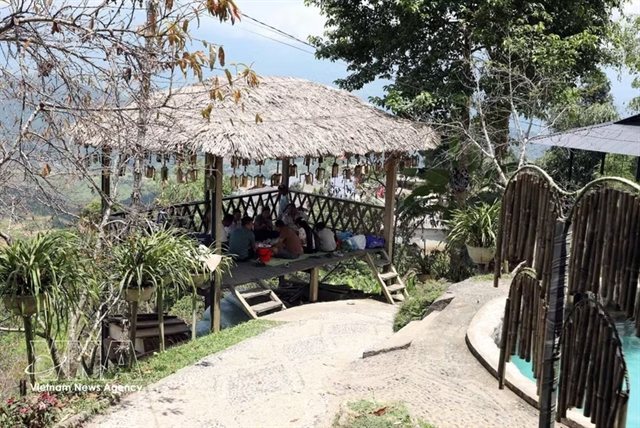
Lao Chải 1 was picked for community-based tourism development in 2016 under Vietnam's new-style rural programme. Five households were sent to learn the trade in other provinces — how to host, cook and manage a homestay — and came back to build one of the more convincing small-scale success stories in the northwest. Eighteen families now offer homestays, the paths through the village are concreted and clean (free-roaming pigs and chickens are a thing of the past), and early pioneer Long A Phao has sunk hundreds of millions of đồng into a wooden homestay that feeds his family year-round.
About 60km away, Sìn Suối Hồ, a Mong ethnic village recognised as a community tourism destination in 2015, has gone further still. Nearly 30 homestay operators now work there, alongside a traditional market selling brocade and farm produce, restaurants and cafes. Village head Giàng A Chinh says a decade of tourism has taken the community from 80 per cent household poverty to real prosperity, with tourism and farm sales generating billions of đồng.
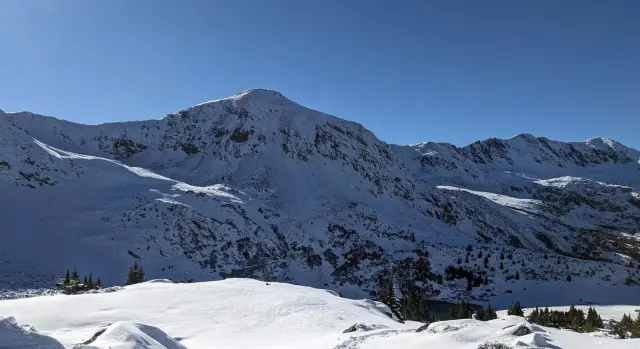
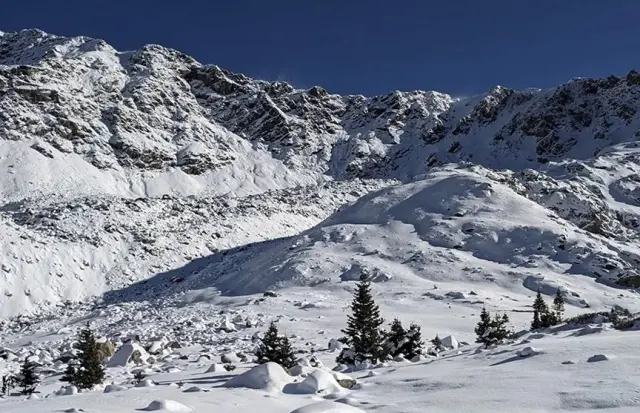
Sport is the accelerant. Lai Châu claims seven of Vietnam's ten highest mountains, and officials are leaning into that. A recent Golden Season Footsteps race in Khun Ha drew nearly 1,000 runners and filled every bed in Lao Chải 1; the Steps on the Clouds race in early October brought hundreds more to tackle the ancient Pavi stone trail at Sìn Suối Hồ.
Neighbouring Sơn La is pairing community tourism with farming. In Ngọc Chiến, the 14-member Nam Nghiệp Cooperative runs children's summer camps with nature crafts, cultural activities and tree planting, and works with almost 100 local guides and porters. In Vân Sơn, visitors tour tea plantations and orchards — nearly 900 hectares of tea and 225 hectares of fruit — and try their hand at planting and harvesting. The area has welcomed hundreds of thousands of visitors this year, pulling in around VNĐ600 billion (US$23 million) annually.
Officials admit the model is still a bit improvised: experiences are limited and storytelling around local culture could be stronger. But for travellers, that's arguably part of the appeal. If you want mountain scenery, ethnic minority culture and homestay hospitality before the race crowds and tour buses arrive, the far northwest is opening up now — and your homestay fee genuinely changes a family's income.