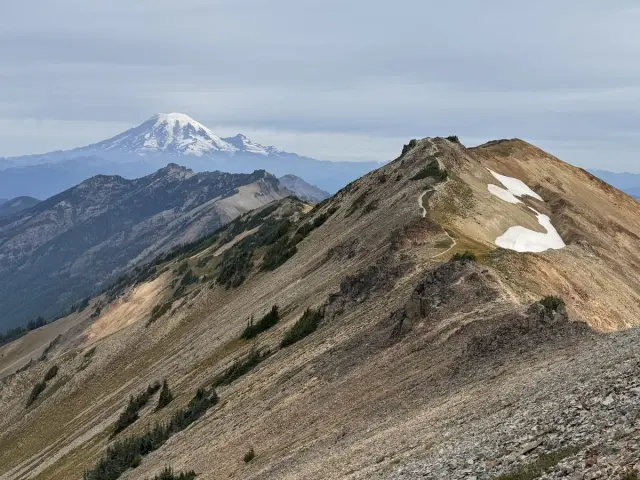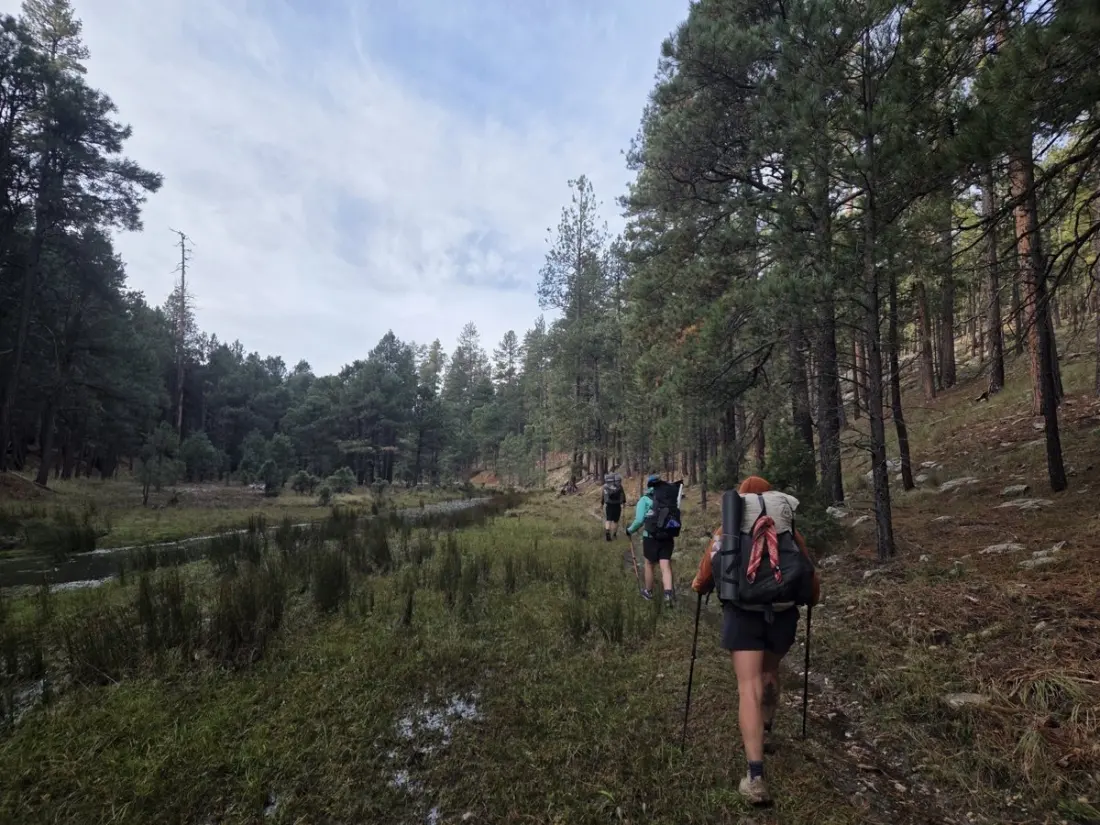
A soggy stretch of the Arizona Trail has turned into a masterclass in trail patience. A group of thru-hikers, writing in the third instalment of their trek diary, spent days battling the aftermath of a severe El Niño storm cycle across the Mogollon Plateau and beyond — and their account doubles as an honest briefing for anyone eyeing this 800-mile route.
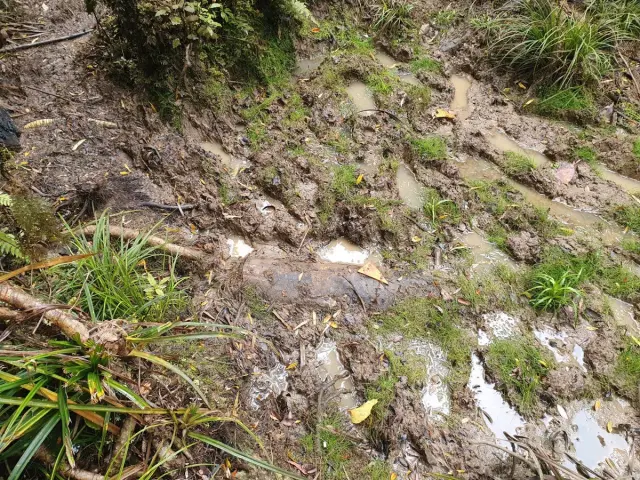
The trouble started when the group returned from a rest day to find the trail transformed into ankle-deep mud that caked onto shoes in ten-pound bricks, slowing them to a mile an hour. With campgrounds closed, bathrooms locked and one hiker close to hypothermia, they ended up walking miles along the highway shoulder toward Flagstaff just to log eleven miles. Gusting winds hit 45 mph, and overnight temperatures dipped below freezing.
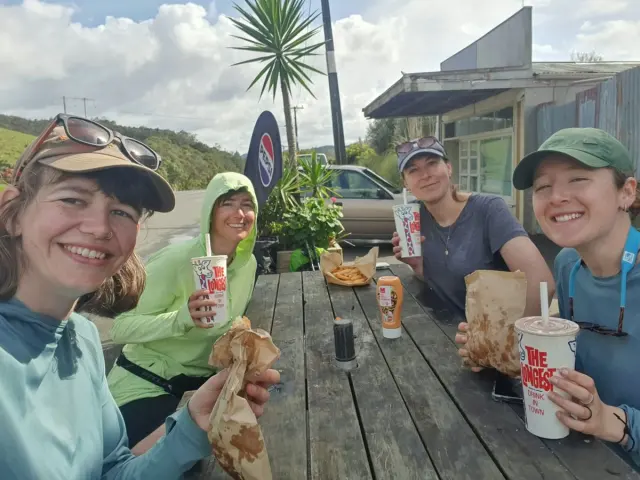
A warm bed at the Mormon Lake general store — five hikers squeezed into one room, plus showers and laundry — offered a brief reset. Better rewards followed: a ranger station six miles off trail selling ice cream and soda to hikers, and the first "10 before 10" day of the trip, ten miles logged before 10am, into the small town of Pine. Pine delivered the classic hiker hat-trick: laundromat, resupply, pizza and a brewery, where a care package with rain gear finally caught up with them — gear the writer admits they optimistically skipped packing despite the stormy season.
Mile 320 marked a dramatic change: the trail drops sharply off the Mogollon Plateau from ponderosa pine and aspen into red-rock desert with a hard ecological line and plenty of thorny plants (one hiker fell into a bush mid river-crossing, emerging with five cuts). Ahead lie the "sky islands" — mountain ranges separated by low desert, meaning constant descents and re-climbs, with towns tucked into the valleys below.
The storms eventually won. With flash floods, golf-ball hail, a nearby tornado and an impassable East Verde River in the forecast, the group took a six-mile, 3,000-foot side trail off route for a double zero at a trail angel's home in Tonto Basin, sharing the property with a dozen other storm-bailed hikers over puzzles and laundry. Their van driver, Justin, earned hero status navigating flooded dirt roads to get them back to the trail.
For travellers, the takeaway is clear: the Arizona Trail in a wet year is no gentle desert stroll. Spring hikers should pack real rain gear, expect mud that doubles hiking times, know that campgrounds can close without warning, and build flexibility (and town bail-out options) into any itinerary. Pine and Mormon Lake are handy resupply anchors, and trail angels along the route can be lifelines when the weather turns.