El Salvador gets visited for its surf breaks and volcano hikes, but the country's museums tell a story most travellers never hear. From Maya-era artefacts to hard-hitting civil war archives, there's a surprisingly deep collection of institutions here — and most cluster conveniently in San Salvador.
The flagship is the National Museum of Anthropology (MUNA), the country's most important cultural institution, covering everything from pre-Columbian civilisations through colonial times to traditional Salvadoran life. It's the smart first stop: the context you pick up here makes visits to actual archaeological sites far more rewarding.
And those sites are special. Joya de Cerén, often called the "Pompeii of the Americas," preserves an ordinary farming village buried under volcanic ash — not temples and elites, but everyday households, storage structures and cooking tools. Tazumal, out in Chalchuapa, pairs a striking pre-Columbian ceremonial complex with an on-site museum in one of the oldest continuously settled areas of western El Salvador.
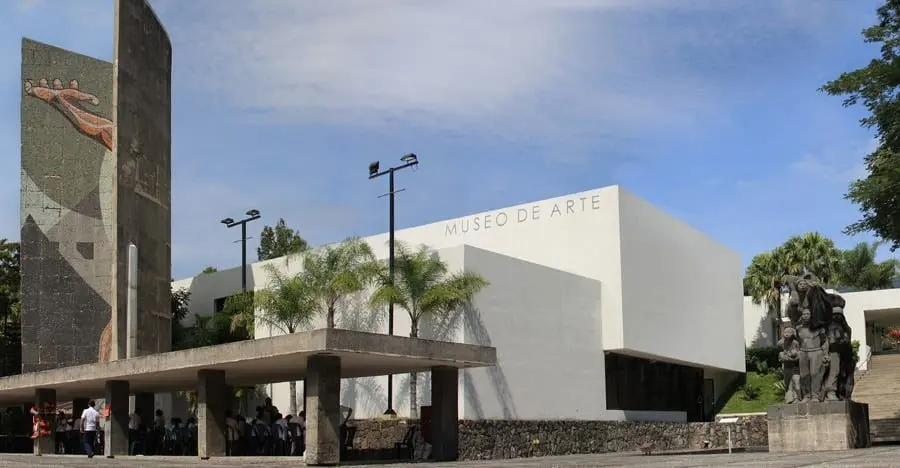
Art lovers have two key stops. MARTE, the Museum of Art of El Salvador, tracks Salvadoran painting, sculpture and photography across eras, with artists tackling identity, migration and political struggle. The smaller Forma Museum, tied to artist Julia Díaz, marks an important chapter in the country's push to recognise its own creative talent.
For history with weight, two museums stand apart. The Museum of the Word and Image (MUPI) holds photographs, recordings and documents covering the civil war, migration and cultural memory — personal stories that go beyond official accounts. Out in the mountain town of Perquín, in Morazán, the Museum of the Salvadoran Revolution presents the conflict from the perspective of the former guerrilla movement and affected communities. It's a long drive from the capital, but it's one of the most affecting historical museums in Central America. The Military History Museum, housed in the old El Zapote complex in San Salvador, covers the armed forces' side of the national story.
Families aren't forgotten. The Natural History Museum (MUHNES) in Saburo Hirao Park covers rocks, fossils and ecosystems — and the surrounding park gives kids room to run afterwards. Tin Marín, the children's museum, is entirely hands-on and a good pressure-valve between monuments and ruins.
Outside the capital, the Regional Museum of the West in Santa Ana has an engaging exhibit on the history of Salvadoran currency and another on writer Claribel Alegría, while the Regional Museum of the East in San Miguel covers the distinct heritage of the country's eastern departments.
Practically speaking, most travellers can do one or two museums comfortably in a half-day. Base yourself in San Salvador for the biggest cluster, then add Santa Ana, Chalchuapa or Morazán as day trips or route stops. Hours and prices vary, and some close on certain weekdays or holidays — the Ministry of Culture lists public museums and archaeological parks, while private institutions post their own schedules. Worth checking before you set out.
If your El Salvador trip is all coastline and craters, a museum day adds the layer that makes the rest of it make sense — plus a welcome air-conditioned break from the midday heat.