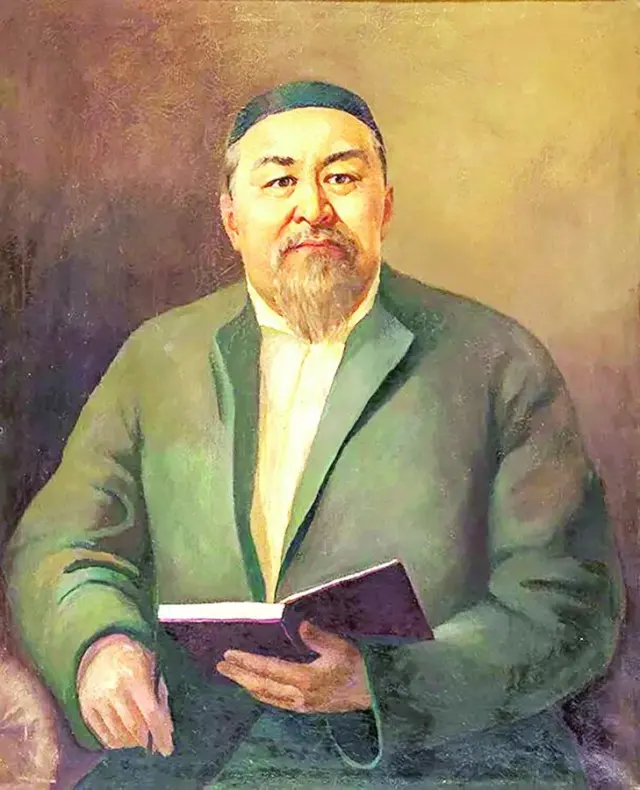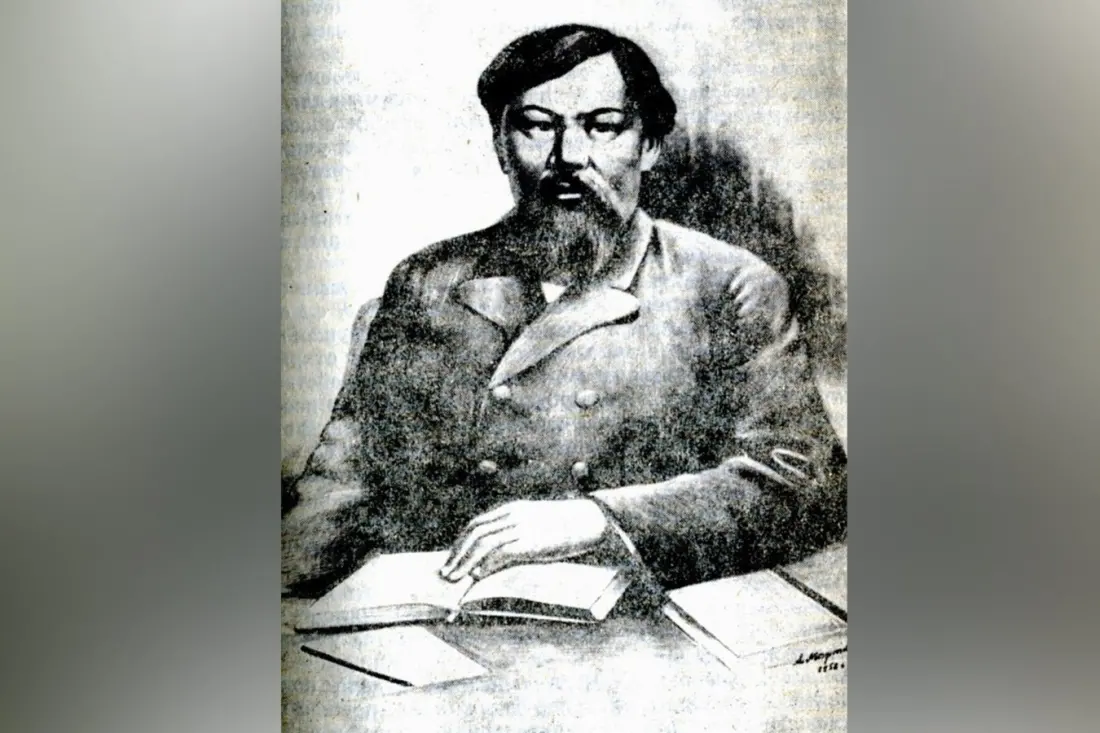
Kazakhstan marked the 185th anniversary of the birth of Ybyrai Altynsarin on 2 November, celebrating a man who did more than almost anyone to bring formal schooling to the Kazakh steppe in the 19th century. For travellers exploring the country's north, his name is everywhere — schools, streets, museums — and his story explains a lot about how modern Kazakhstan sees itself.
Altynsarin was born on 2 November 1841 in what is now the Kostanai Region and orphaned young, raised by his grandfather. In 1860 he was tasked with opening a primary school for Kazakh children in Turgai, a project that faced funding shortfalls and local resistance. It finally opened on 8 January 1864 with just 16 boys. Within three months, he reported proudly, they were reading and writing in Russian and Tatar.
Things escalated from there. Appointed inspector of schools for the Turgai Region in 1879, he opened four Russian-Kazakh schools and pushed for vocational, agricultural and girls' schools — radical for the time. He championed education for girls in particular, backing a school in Irgiz with more following in Turgai, Kostanai and Aktobe after his death. He also raised money for school libraries, insisting they should serve not just pupils but any literate adult in the steppe who wanted to keep learning.
He was a literary figure too. Altynsarin adapted the Cyrillic script for written Kazakh, translated Tolstoy, Krylov and Ushinsky for Kazakh readers, and wrote his own fables and stories — "The Son of a Rich Man and the Son of a Poor Man" among the best known. As an ethnographer, he documented Kazakh courtship and wedding customs for the Imperial Russian Geographical Society in 1868. He died at 47 in 1889 and was buried near his home on the Tobol River, in today's Kostanai Region.
Why does this matter to visitors? Kostanai and the surrounding steppe region are off most tourists' itineraries, but Altynsarin's legacy gives the area a genuine cultural anchor — his memorial and museum sites near the Tobol draw school groups and pilgrims of a literary kind. More broadly, understanding his role in founding Kazakh-language education adds depth to any visit to Astana's museums or to Almaty, where his influence on the national school tradition is a recurring theme. It's a useful piece of context in a country where education is still treated as a national project.
For the culturally curious traveller, pairing a trip to northern Kazakhstan with the story of its great enlightenment figure is a rewarding detour from the usual silk-road route.
The Astana Times