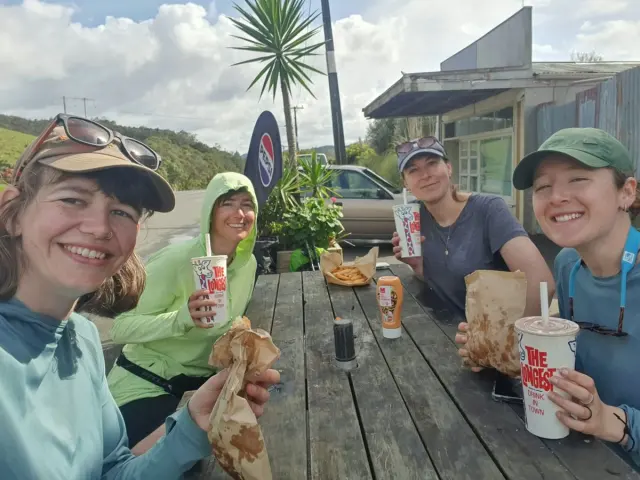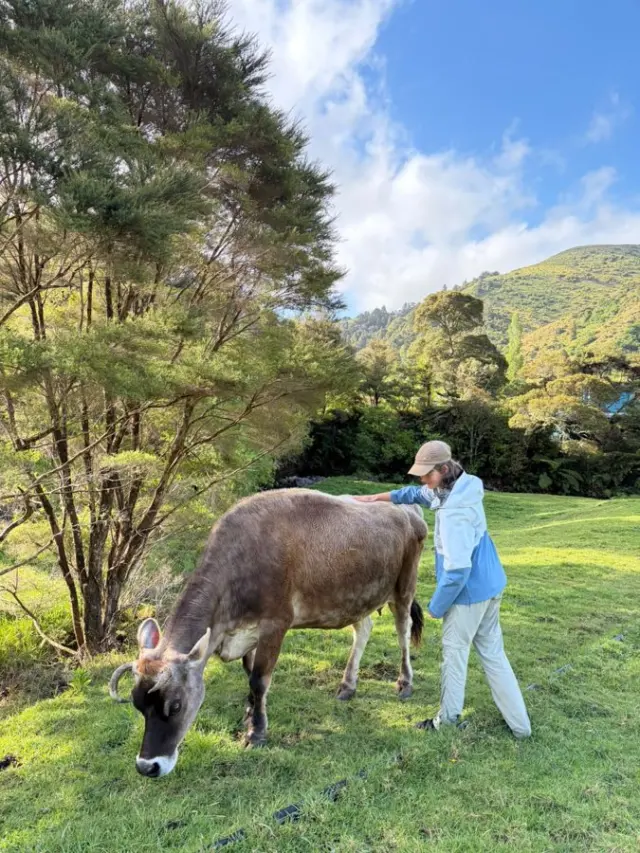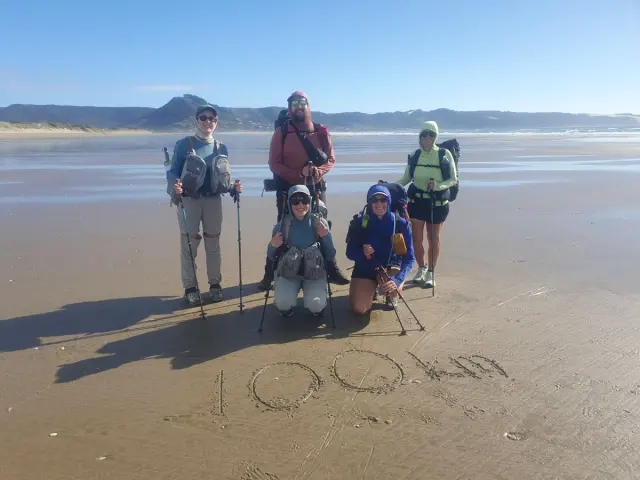
Somewhere north of Auckland, on day eight of New Zealand's long-distance Te Araroa trail, a hiker woke her entire campsite by screaming at a possum. The animal had been rummaging around her tent at Blackbridge campsite all night, and by morning it turned out one had actually climbed into a fellow tramper's vestibule. Embarrassing start, great day: she and just about everyone else in the group later called it their favourite on trail so far.
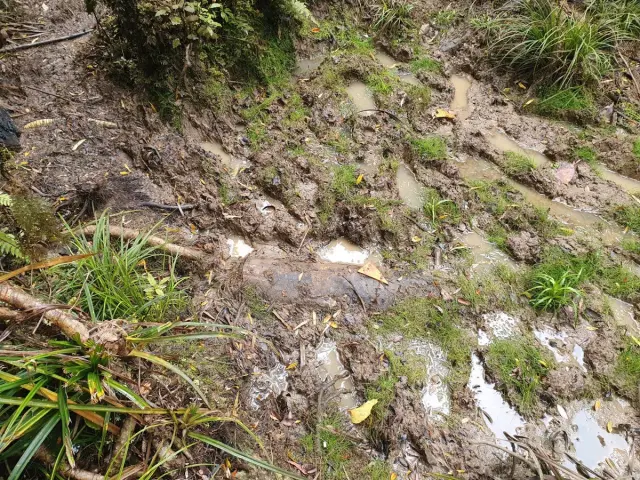
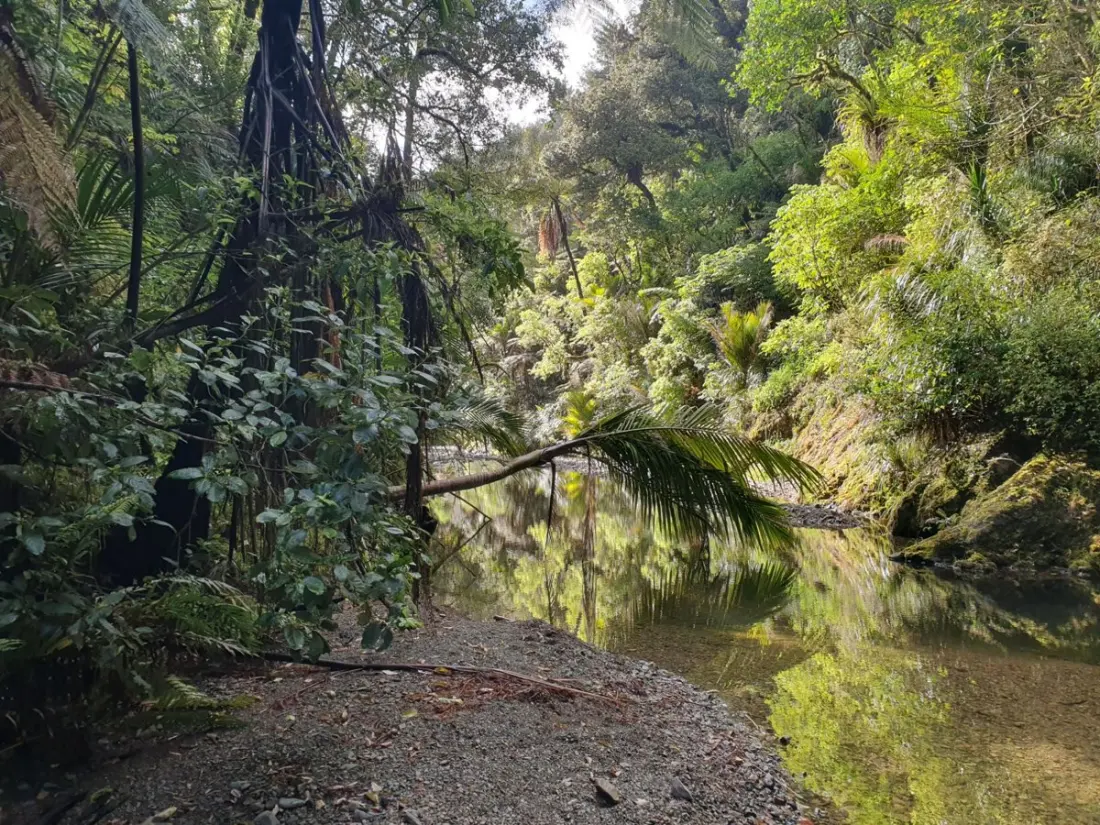
The route covered roughly 20km, ending with an easy 9km stretch of gravel 4WD track. DOC's official time estimate was 9.5 hours; hikers reported doing it in 6.5. The day's highlight came early, when the track simply became a stream. There is no path alongside — the watercourse itself is the way, marked by orange triangles, running ankle to calf-deep (knee-deep in a couple of spots) through native and exotic forest toward a confluence with a larger river.
Which is where the wrong turns happened. After a short steep bypass around the river junction, the hiker and her walking partner headed downstream for about a kilometre before checking their phones and realising the route actually went upriver. The detour was scenic and the crossings easy, but the lesson stuck: check the map at every decision point, even when the water seems to be leading you the right way. Back at the confluence they found not one but three large orange triangles they'd walked straight past. Later, the forest track between the river and the ridge proved equally easy to lose, requiring a bit of bush-whacking to pick up again.
The climb out was another story entirely — endless steep steps on a gravelled and boardwalked track. The reason is serious: kauri dieback disease, spread through soil movement, is killing these giant forest trees. To protect them, tracks have been surfaced with gravel, some forests closed altogether, and trampers are required to wash all mud off their gear entering and leaving kauri country. It's one of the most distinctive bits of trail etiquette in New Zealand and something every Te Araroa walker needs to build into their routine.
The day finished at Puketī forest headquarters, where a hut and a friendly kitchen welcomed the group for a shared dinner and a round of Pass the Pigs before a much better night's sleep. For anyone dreaming of the trail, this stretch captures what Te Araroa is really like: river-walking, route-finding challenges, possum mischief at campsites, and the strange beauty of a conservation effort you can literally feel underfoot. It rewards people comfortable with navigation apps, wet shoes and the odd unscheduled detour — and it delivers forest and river scenery that photos, as the hiker herself noted, don't quite do justice.
Story via The Trek.