
The flash flood that tore through Nepal's Langtang Valley has killed more than 1,000 people, with around 4,000 still missing, and it has hit the country's mountaineering community hard. Some of those unaccounted for worked in the Everest industry itself: expedition operator Climbing the Seven Summits confirmed that three members of its Everest Base Camp staff are missing and presumed dead, describing them as deeply valued members of its team.
The flood struck near the Langtang Valley, an area still remembered for the devastation of the 2015 earthquake, close to the Kyirong border crossing into Tibet. It's a route popular with trekkers and pilgrims heading for sacred Mount Kailash, and several foreign victims are believed to have been travelling that way. Canadian climber and photographer Pat Morrow noted the area's mystique: Heinrich Harrer, author of Seven Years in Tibet, once wrote that Kyirong — the 'Village of Happiness' — was where he'd choose to spend his final years.
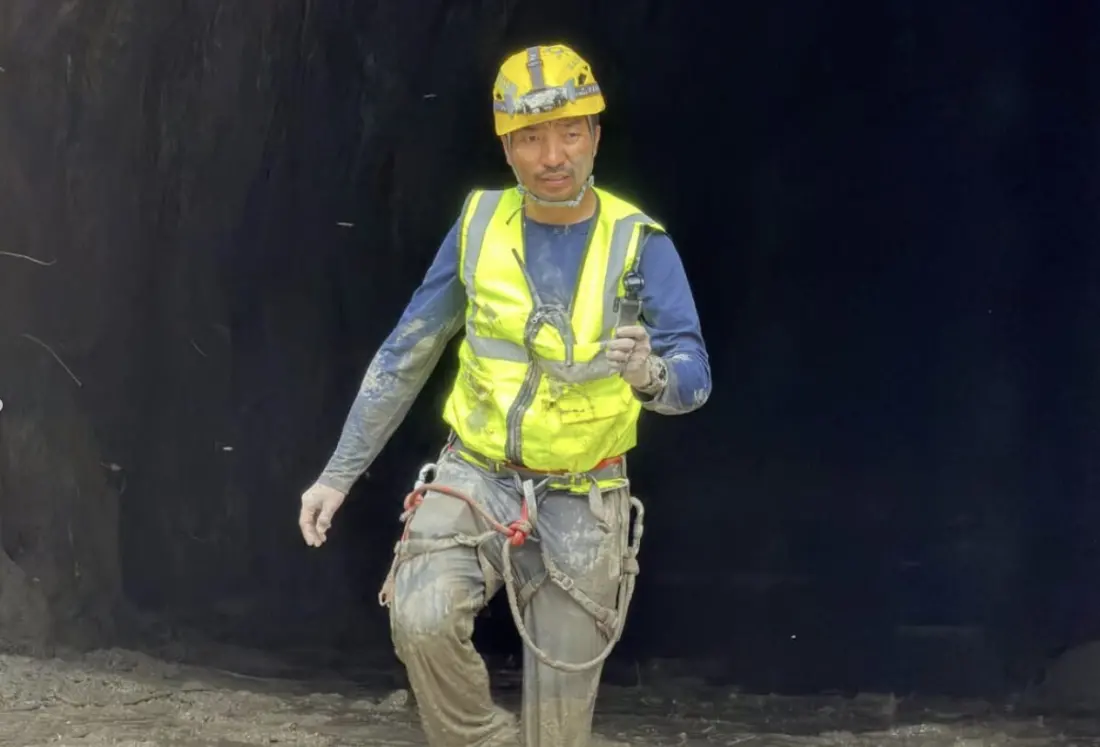
Now, the people best equipped to search the wreckage are Himalayan guides themselves. The Nepal Mountaineering Guide Association is coordinating helicopter pilots and IFMGA-certified and trainee guides, many of whom normally spend the season leading clients on 8,000-metre peaks. Their rope work, navigation and risk-management skills, honed over years of high-altitude work, are proving vital in a very different emergency: locating survivors who may have sheltered in the tunnels of hydroelectric plants along the flooded river.
One of the volunteers, aspiring guide Jenjen Lama, has had a brutal summer — he was the first to raise the alarm after an avalanche killed 10 people on Broad Peak in July, witnessing it while guiding on neighbouring K2. Back in Nepal, his team was assigned to search a Chilime Hydropower tunnel for six trapped people. Using fixed lines and anchors, they advanced about 120 metres before finding no signs of life and a tunnel completely blocked by mud and debris. Other teams had better luck: guides including Ashish Gurung, Dorjee Sherpa and Pemba Wangchu Sherpa carried out a successful rescue at the Trishuli A tunnel. Many have postponed Manaslu, Himlung and Ama Dablam expeditions, with clients due within days, to keep helping.
Aerial support matters just as much. Captain Priya Adhikari, Nepal's first female helicopter rescue pilot, has flown roughly 100 rescue missions in a single week.
For travellers, this is a reminder of how closely Nepal's tourism economy and its mountain communities are intertwined — the guides, porters and pilots who make Himalayan treks and expeditions possible are the same people responding when disaster hits, and some of the missing are industry staff rather than visitors. Anyone planning autumn treks in Langtang or along the Trishuli should expect ongoing disruption, check route status with operators before setting out, and recognise that local rescue networks are stretched. If you want to help, reputable trekking agencies and guide associations are channelling support toward affected families.
ExplorersWeb