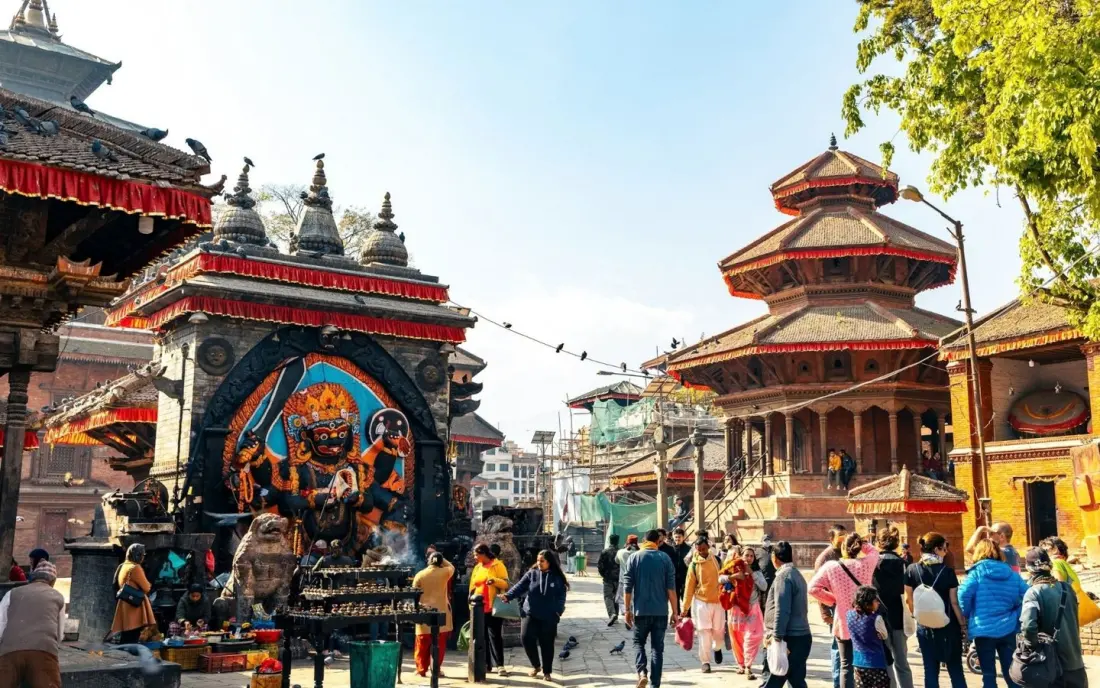
Nepal is picking up the pieces after deadly floods, and the country's tourism industry faces a familiar post-disaster dilemma: when to welcome visitors back, and how to do it without getting in the way of recovery. According to research published via The Conversation and Adventure.com, the answer isn't a simple switch marked "open" or "closed" — it's about being specific about which regions are ready and which communities actually benefit from tourism dollars returning.
The research draws on lessons from Cyclone Marcia in Queensland, Australia, where recovery worked best when tourism organisations trusted each other and communicated consistently. The same applies in Nepal: the goal is to bring travellers back in a way that supports affected communities rather than putting visitors or residents at greater risk. That means recovery will likely happen region by region, not as one nationwide announcement.
Who comes back first? Interestingly, the research points to repeat visitors and those with family ties in Nepal — people visiting friends and relatives, plus travellers who already know the country. Their personal connections and on-the-ground knowledge make them more comfortable returning early, and their spending goes more directly into local hands.
For everyone else, the practical advice is straightforward. Check your own government's official travel advice before booking — Australia's Smart Traveller, New Zealand's SafeTravel and the US State Department websites are the ones named. Beyond official warnings, look for operators and lodges that are transparent about which areas they work in and how they're supporting local recovery. Money spent with community-based tourism in unaffected regions — think trekking areas and heritage towns far from the flood zones — does more good than a cancelled trip ever will.
Why does this matter to travellers? Because disasters often trigger blanket cancellations that hurt the exact communities trying to rebuild. Nepal's tourism economy, from Everest teahouses to Kathmandu guesthouses, depends heavily on visitor spending, and an informed traveller who verifies conditions and books responsibly can be part of the solution. The message from the research isn't "stay away" — it's "come back carefully, and come back where you're wanted."
If Nepal is on your list, keep an eye on official advice, book flexible fares, and consider shifting your itinerary toward regions that are confirmed ready. Your trip, done thoughtfully, is one of the most useful forms of disaster aid there is.