A mountain guide in northern Italy has stumbled onto one of the most significant palaeontological finds in the Alps in decades: a previously unknown cave packed with the remains of giant cave bears that died out roughly 24,000 years ago.
Kurt Walde, a guide with 41 years of experience, first noticed a dark mark on a cliff face near a peak overlooking the famous Conturines Cave about three and a half years ago. In July 2026 he finally reached it — a hair-raising descent across loose rock at over 2,850m, carrying a 22kg pack and finishing the last stretch after his rope ran out. Inside, his headlamp picked out bones and skulls scattered through a cavern whose first section runs about 60m before a large mineral formation. One skull still had neck vertebrae attached, and a lone bone sat on a raised rock like a display table — a detail that has researchers puzzled.
The cave sits in the Fanes-Senes-Braies Natural Park, across the mountain from Conturines Cave, where the species Ursus ladinicus was identified after its 1987 discovery. Named after the local Ladin community, these bears were huge — an estimated 1,200kg and around 3m long — yet purely herbivorous, grazing on alpine plants and tough grasses. Conturines specimens date back at least 46,000 to 50,000 years, and mineral deposits there reach back six million years.
Christian Terzer, head of archaeology for the Province of Bolzano, estimated that hundreds of bones lie inside the new cavern — possibly more specimens than Conturines itself. Authorities airlifted in equipment and installed a gate roughly 20m inside the entrance to protect the site. Scientists hope to answer how the bears even reached an entrance so hard to access, whether the cave connects to Conturines within the mountain, and whether more complete skeletons could reveal the species' appearance and social behaviour. Some bones' odd placements have even left open the question of whether humans entered the cave long ago.
The site is sealed for winter, with research due to resume in June 2027.
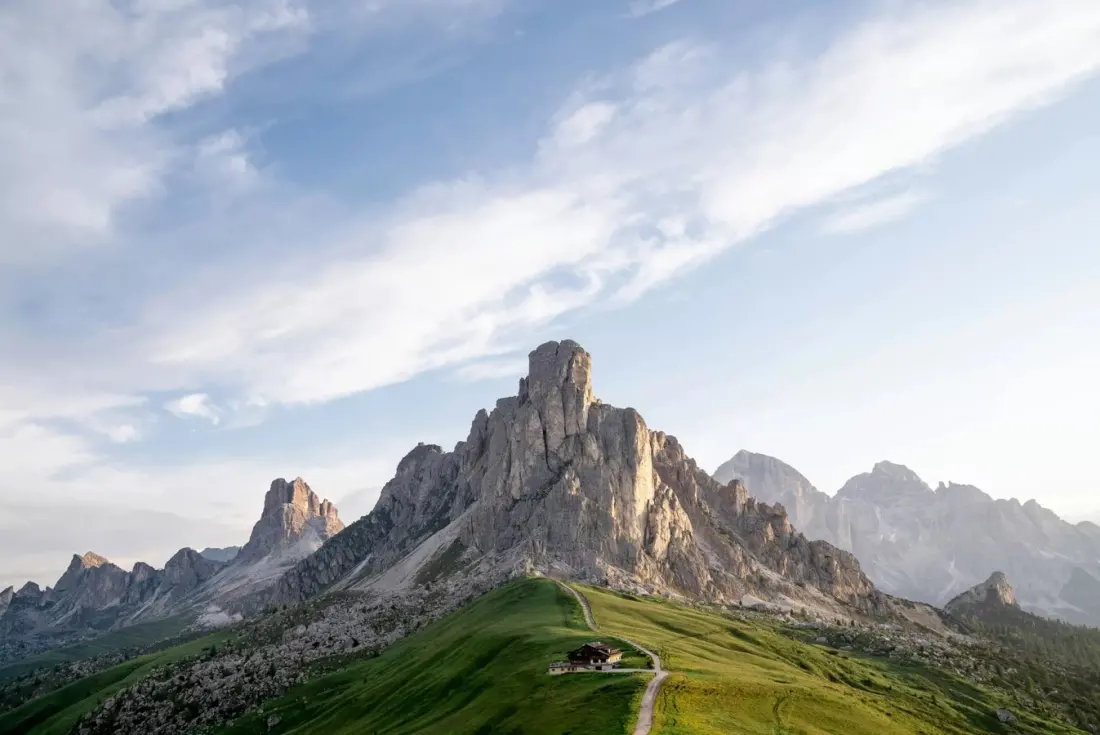
For travellers, this is a reminder that the Dolomites still hold genuine mysteries. The region — a UNESCO World Heritage area straddling Trentino-Alto Adige — draws hikers, climbers and skiers to its jagged peaks and Ladin villages, and stories like this add a layer of deep-time intrigue to any trek through the Fanes-Senes-Braies park. You won't be entering the cave any time soon, but the surrounding trails pass right through the bears' ancient neighbourhood.