A quiet regulatory rewrite published on November 10 in the Federal Register could change how millions of acres of American public land are managed — and who gets a say. The Bureau of Land Management's proposal, formally titled Revision of Regulations for Planning, Programming, Budgeting (43 CFR Part 1600), is the biggest overhaul of the agency's planning rules since 1979, and it would apply to the more than 245 million acres the BLM oversees across the American West.
The most consequential change: the BLM would no longer be required to produce a full Environmental Impact Statement when writing or revising a Resource Management Plan — the documents that decide where drilling, mining, grazing, recreation and conservation happen. The agency argues the requirement duplicates processes already covered by the National Environmental Policy Act; conservation groups, including Earthjustice and the Sierra Club, argue it strips away the main tool for catching harm to ecosystems and nearby communities before projects are approved.
Public input also shrinks. The mandatory 90-day comment period on draft land-use plans would drop to 30 days, extendable by no more than 30 more. Rules requiring Federal Register notices when a planning process starts, and a 30-day comment window when major late changes are made, would disappear. Written comment periods could even be swapped for public meetings. Governors would lose their right to appeal to the BLM Director, and plans would no longer need to stay consistent with Tribal governments or other federal agencies — removing leverage that Tribes and states currently use in land-use negotiations.
Two other provisions deserve attention. A new "emergencies" mechanism would let a Senate-confirmed Interior official bypass standard consultation to fast-track plan amendments — with no definition of what counts as an emergency and no limits on qualifying projects. And Areas of Critical Environmental Concern, which protect sensitive wildlife habitat and cultural sites, would see their comment requirements scrapped and their boundaries shrunk to the "smallest area" necessary.
The Interior Department frames all this as cutting duplication and speeding up approvals. Critics read it as a fast lane for oil and gas drilling, mining and commercial development, decided with less scrutiny and less public voice.
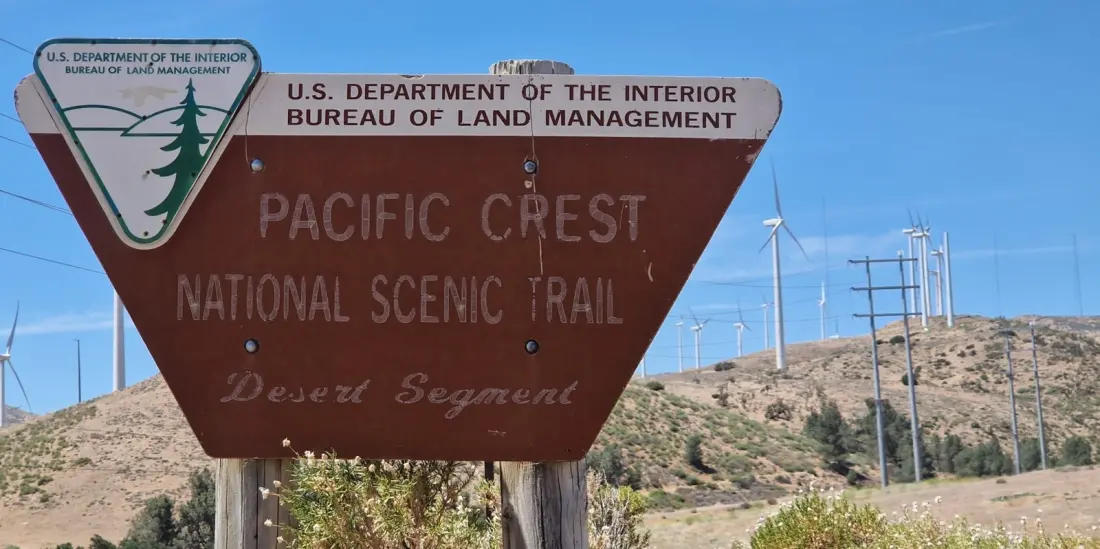
For anyone who hikes, camps, or road-trips through the West — from canyon country to the public lands that host stretches of the Pacific Crest Trail — this matters. These rules shape which landscapes stay quiet and protected and which get developed, and they'd do it with far fewer chances for travellers, locals and Tribes to object. If you want to weigh in, the 60-day comment period (Docket No. BLM-2026-0298) runs through January 11, 2027, with a virtual public information session on December 3, 2026.