Norwegian coastal operator Havila Voyages has been quietly working on something most cruise passengers will never hear — literally. In March the company joined LowNoiser, a European research project developing scalable, eco-friendly noise-reduction technology for ships, and six months on the work is being fitted to a real vessel in service.
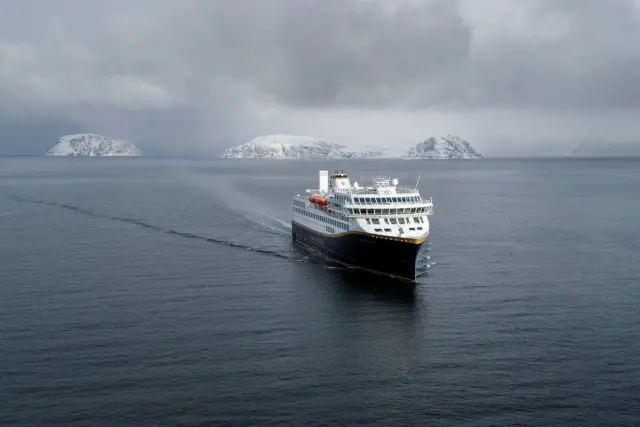
The test bed is the Havila Capella, which entered a 28-day docking period at the Ulstein shipyard near Fosnavåg on October 30 for her first five-year inspection. Working with Kongsberg Maritime, engineers are fitting new propeller blades to both of the ship's Azipull propulsion units and installing a new noise-reducing gearbox assembly. Together, these changes are expected to significantly cut the ship's underwater operating noise.
The science behind it is refreshingly practical. In spring, the LowNoiser team took hydrophone measurements both aboard the Capella and in her operating area along the Norwegian coast, creating a baseline. A repeat measurement round with the same set-up is scheduled for the first quarter of 2027, which will show exactly how much noise the new propulsion setup has eliminated. If the numbers hold up, the results can be scaled across Havila's fleet and, potentially, the wider shipping industry.
The refit isn't just about noise. During the same docking, the Capella is getting a standardized IEC shore power connection so she can charge at more ports, plus simplification work on her LNG system and a new cargo door. None of these tweaks is dramatic on its own — as CEO Bent Martini put it, they add up step by step toward a bigger goal: keeping the Norwegian coast liveable and workable for the next generation. Havila has committed to running climate-neutral on its coastal route from 2028 and emission-free from 2030.
Why does this matter to travellers? The Havila Capella sails the Norwegian coastal route, one of the most scenic voyages in Europe, passing fjords, fishing villages and waters where whales, orcas and other marine life rely on sound to navigate, hunt and communicate. Quieter ships mean less stress on that wildlife — and for passengers, a ship that plugs into shore power in port means cleaner air in the towns you visit. Choosing operators investing in this kind of technology is one of the more concrete ways to make a cruise holiday greener.
For anyone eyeing a coastal voyage in Norway, the Capella and her sister ships offer an alternative to the classic Hurtigruten run, with smaller vessels that dock right in village centres. Keep an eye on LowNoiser's follow-up measurements in 2027: if they confirm a major noise drop, expect quieter propulsion to become a selling point across the industry — and possibly a factor in how lines market their greenest sailings.