Skip the Skegness crowds for a moment and head 25 minutes inland to Old Leake, a small Lincolnshire village with a surprisingly deep résumé. It started life as an Anglo-Saxon settlement, appears in the Domesday Book of 1086 (recorded as 'Leche'), and even managed to rank in the top 20% of settlements that year — remarkable considering it had been razed in William the Conqueror's Harrying of the North in 1069 and initially marked as unable to pay taxes.
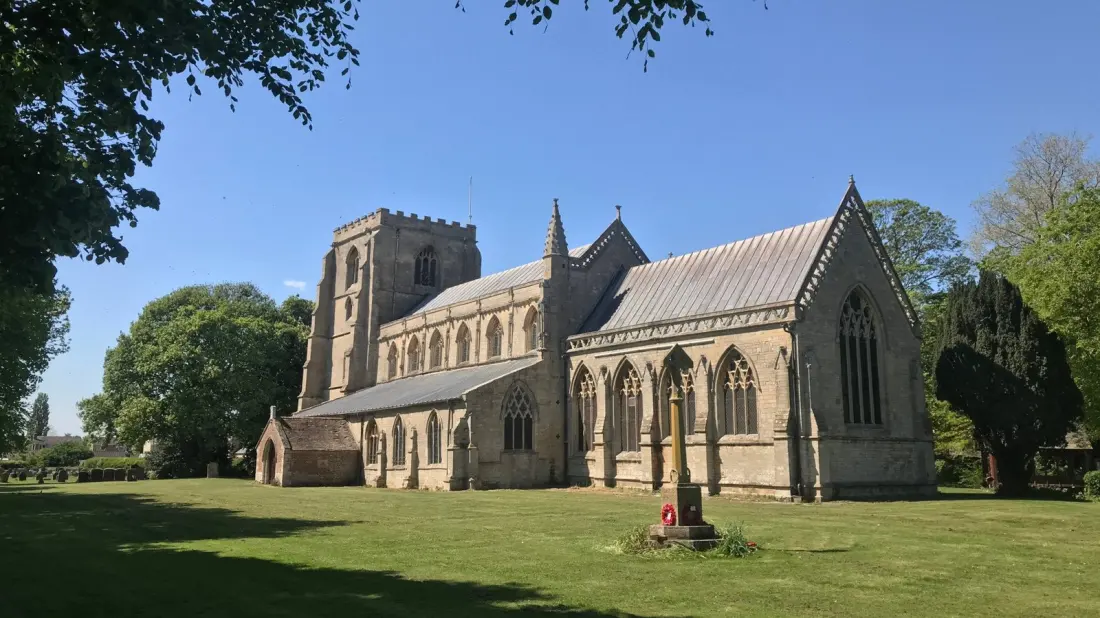
The standout survivor from that era is St Mary's Church, with walls and a door dating to around 1100 CE. Look closely and you'll find 13th-century carved faces, four mass dials (carved sundials once used to time services), and intricately worked pew ends from the Ripon School of Carvers, made in 1519. Most of the building was finished by the 16th century, so it's a compact tour of several centuries in one stop.
Old Leake also does proper village pubs. The Bricklayers Arms, in a Victorian building that once housed its own brewery (operating from 1837 until the late 1800s), serves locally sourced food with mains around £15–£20. Its Fish Friday and Sunday carvery — roast meats carved to order with Yorkshire pudding — are popular enough that booking is wise. It's family- and dog-friendly, with outdoor seating in summer, and holds a solid 4.6-star Google rating. Across from St Mary's sits the White Hart, a two-storey inn trading since at least the mid-1800s. No food here; it's a pint-and-darts kind of place, with pool, live music, and even a mid-20th-century bar counter for a bit of character.
The bigger draw for many visitors is what surrounds the village. Old Leake sits a 10-minute drive from the coast along The Wash, a 100-square-mile estuary holding roughly 10% of England's salt marsh and ranking among the country's most important wetlands for birds. The Lincolnshire Coastal Bird Trail threads through nearby sites: RSPB Freiston Shore, 15 minutes away, is a former coastal farm turned tidal salt marsh where terns colonise in summer and black-tailed godwits flock in winter, while its saline lagoon hosts avocets and oystercatchers year-round. Frampton Marsh, another excellent reserve on The Wash, is about 30 minutes off.
Who is this for? Anyone who likes their seaside break quiet: history buffs, casual walkers, pub lunch devotees and, above all, birders. It pairs easily with Skegness — 25 minutes by car or a 40-minute direct bus (routes B7 or 57 from Skegness Interchange) — so you can have the beaches and seafood, then retreat to a village with a 900-year-old church door. For the reserves, though, a car really helps. Note that the nearest international airport, Humberside, is around an hour and 15 minutes by road.