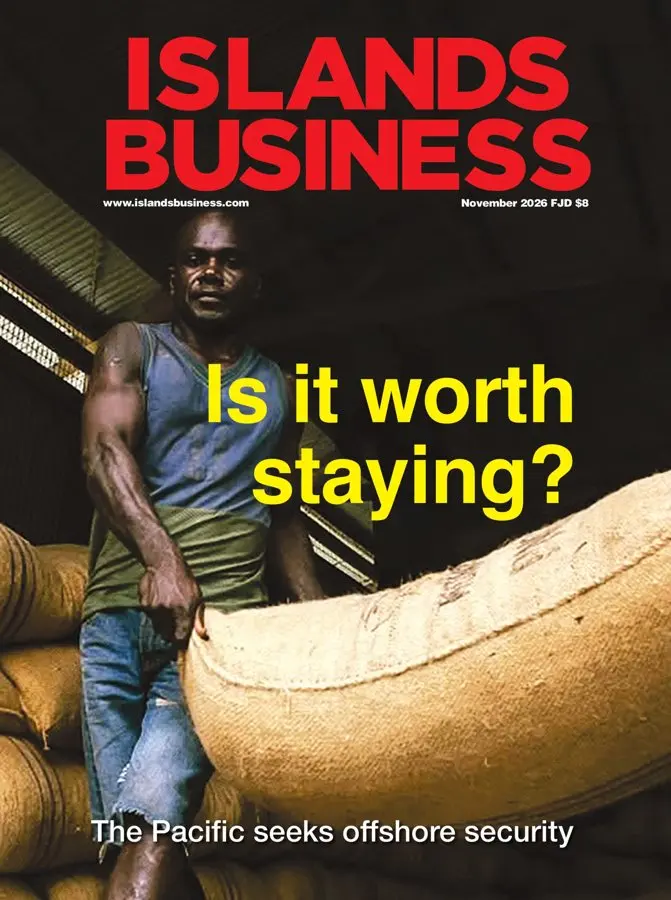
A recent feature from Islands Business tackles a question that hangs over the whole Pacific region: is it worth staying? The piece focuses on the Pacific Island Countries — a group that includes small island states spread across a vast stretch of ocean — and the crushing double challenge they face. They are among the most geographically dispersed economies on the planet, and at the same time among the most exposed to climate change.
That combination matters. When your population is scattered across remote atolls and island chains, everything from healthcare to shipping costs more and takes longer. Add rising seas, stronger cyclones and coral bleaching to the mix, and the basics of a functioning economy — tourism, fishing, agriculture — come under real pressure. For some of these nations, the questions being debated go beyond economics and touch on whether entire communities can remain on their land at all.
The full article is behind Islands Business's paywall, so the finer detail of its argument isn't available here. But the core dilemma it flags is well known across the region: these countries contribute almost nothing to global emissions, yet sit at the sharp end of climate impacts. That imbalance shapes regional politics, aid flows, migration patterns and — importantly for visitors — the kind of tourism these islands can sustainably offer.
Why should a traveller care? Because holidays in the Pacific are not just beach escapes. Choosing to visit, and choosing how to visit, has a direct bearing on small economies that lean heavily on tourism revenue. Community-run guesthouses, local guides and reef-respectful operators put money where it counts far more than a big foreign-owned resort does. And going with an eye open to what sea-level rise actually looks like on the ground changes the conversation you have with the people who live there.
If the Pacific is on your list, the practical takeaway is simple: go thoughtfully, spend locally, and recognise that the postcard-perfect setting is also one of the most climate-stressed corners of the world.
— Based on reporting by Islands Business.