Loneliness is quietly becoming one of the world's biggest health problems, and most of us spend roughly 90% of our day indoors, cut off from both other people and the natural world. The consequences are serious: chronic loneliness is linked to depression, anxiety, dementia and a general erosion of the sense of belonging humans need to thrive. But a growing body of research points to a surprisingly accessible remedy — nature-based activities, ideally done in company.
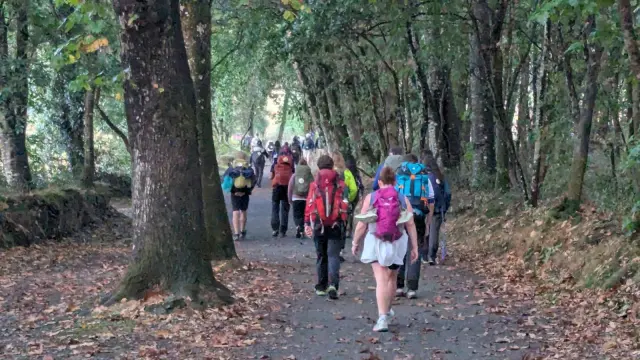
The most compelling evidence comes from researcher Jill Litt of the Barcelona Institute for Global Health and the University of Colorado Boulder. In a randomised controlled trial, 320 lonely adults in Barcelona were referred by health professionals. One group got weekly peer-supported nature activities — think forest bathing, bike rides, tai chi in the park, tending community gardens, even craft-making with natural materials — chosen from a local "menu", with seven to nine participants and two facilitators. The control group simply received a map of nature activities.
The surprise? Both groups improved. A year later, loneliness had dropped by nearly 17% in both — even the map-only crowd actually used theirs. And the people who started out loneliest benefited most. Litt ran similar programmes in Marseille, Helsinki, Prague, Cuenca and Melbourne, with the same result across all six cities. Clemson University researcher Matthew Browning calls it some of the most reliable evidence to date that nature connects people.
Why does it work? One theory: green spaces calm the nervous system, shifting us out of fight-or-flight into a rest-and-digest state where connecting feels easier. A 2015 study found a 90-minute nature walk reduced rumination and quieted a brain region tied to negative thought loops — the same walk in an urban setting did nothing. Nature also reliably induces awe, which redirects attention away from ourselves and makes casual social contact feel less daunting.
The practical takeaways are refreshingly low-effort. Presence beats duration: a sunset scrolled past on your phone does little. Chat with the regulars you see out walking dogs or jogging, join a hiking or birdwatching group, volunteer at a community garden, or put up a bird feeder — a gentle re-entry for anyone feeling burned out by people. Even a 15-minute outdoor walking meeting, Litt says, can shift your whole mindset.
For travellers, this reframes what a good holiday can be. A walking tour, a foraging excursion, a community garden visit or a forest-bathing session isn't just filler between sights — it's a scientifically supported way to feel connected, whether you're travelling solo and struggling to meet people, or rebuilding your social muscle at home. The barrier to entry is low: a leafy city park and a bit of initiative will do.