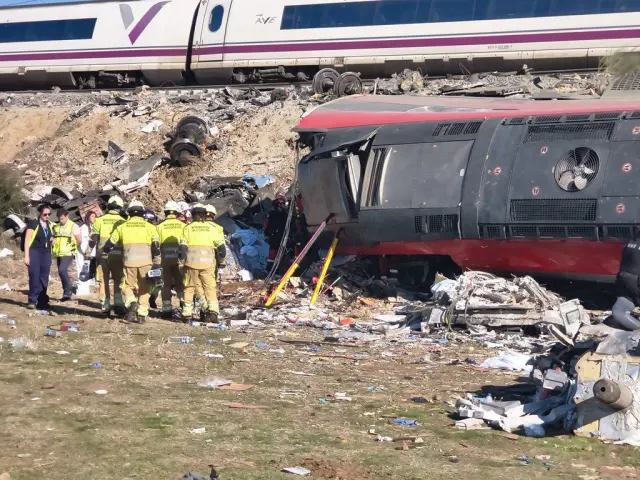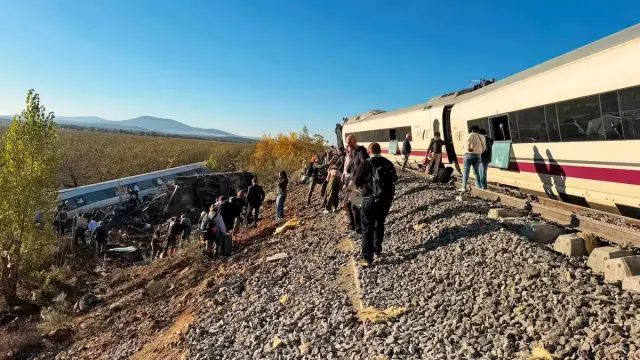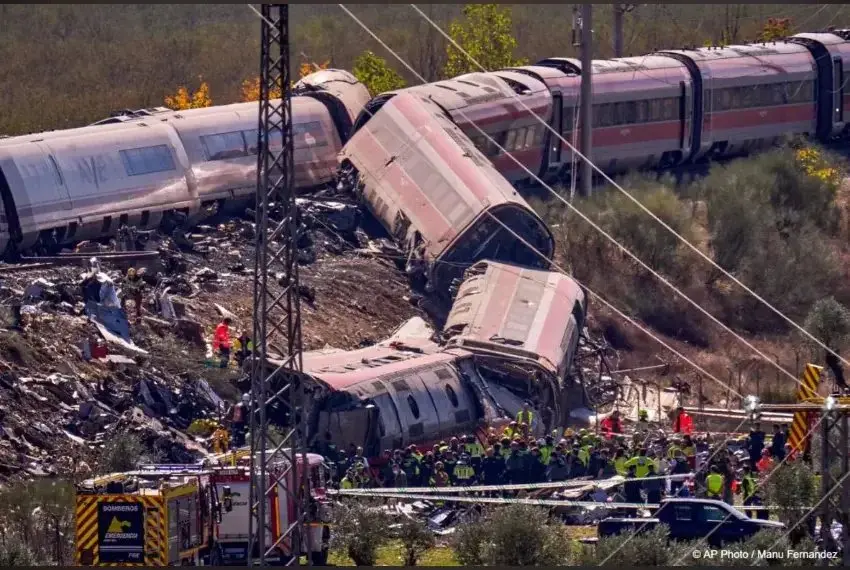
Two high-speed trains collided in Toledo Province, central Spain, with the latest reports putting the toll at 69 dead and more than 100 injured. Rescue operations were still ongoing when the figures were released, meaning both numbers could change.
The scale of the crash reached well beyond Spain's borders. Kyrgyzstan's President Sadyr Japarov sent a telegram of condolence to King Felipe VI, writing on behalf of the Kyrgyz people that he shared the grief of the victims' families and wished the injured a speedy recovery. It is a measure of how seriously the incident is being treated that a head of state in Central Asia felt moved to respond formally.
For anyone with Spain rail travel on the horizon, the immediate question is what this means on the ground. Toledo sits south of Madrid and is one of the country's most popular day-trip destinations, served by frequent high-speed Avant trains from Madrid Atocha taking around half an hour. Details about which services were involved, and whether the line through the province is running normally, will emerge as investigators and rescue teams work through the site — so it is worth checking Renfe's official channels before travelling rather than assuming schedules are unaffected.
Spain has one of Europe's densest high-speed networks and rail remains a safe and practical way to move between Madrid, Toledo, Seville, Barcelona and beyond. But incidents like this are a reminder that even modern networks are not immune, and that travel disruption in the hours and days after a serious accident can ripple across timetables. Travellers with bookings through the affected corridor should watch for service updates and keep an eye on announcements from the operator.
Beyond the immediate disruption, the human toll here is the story: dozens of lives lost and over a hundred people hurt on a routine journey through Castilla-La Mancha. Condolences from governments as far away as Bishkek underline how widely the news has resonated.
If you are already in the region or heading there soon, build in buffer time, allow alternative routing via road if needed, and follow local authorities for confirmed information. This piece is based on reporting from 24.kg.