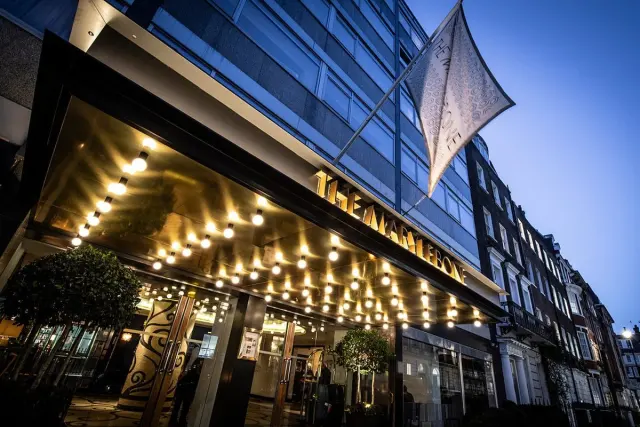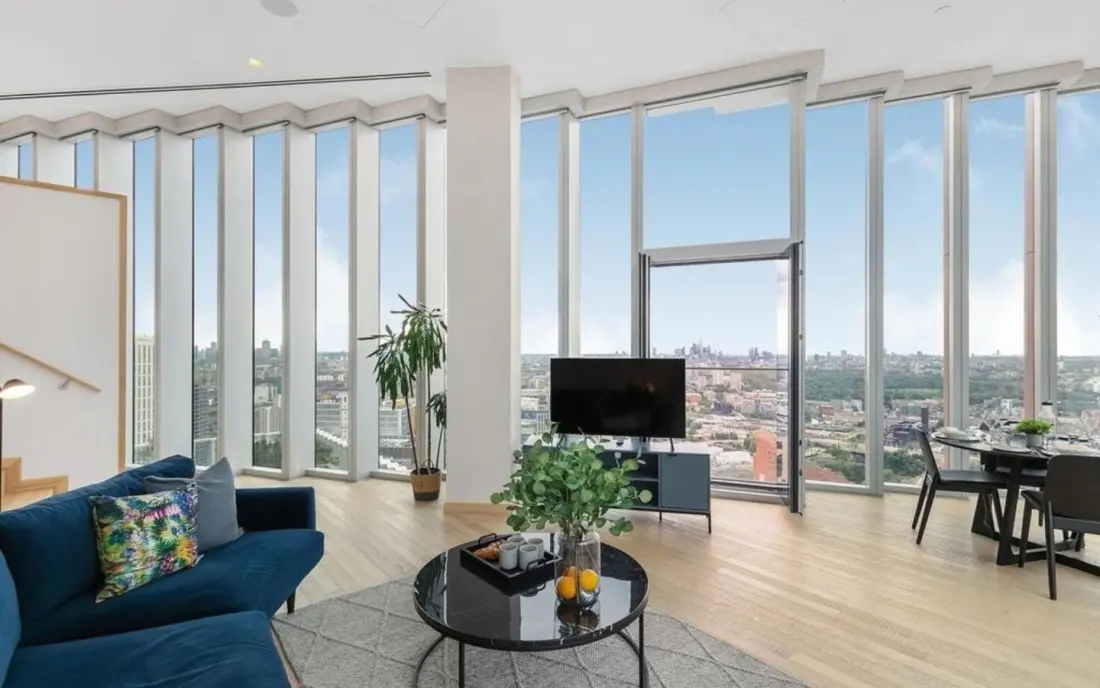
In hotel interiors, texture usually gets talked about as a fabric problem: boucle chairs, chunky wool throws, woven headboards. A recent project at Manhattan Loft Gardens in Stratford, east London, makes a case for looking down instead. The Solid Wood Flooring Company developed a band-sawn engineered oak floor for the building's loft-style apartments, and the result shows how a single characterful surface can set the tone for everything around it.
The brief called for timber that felt almost unfinished — a nod to older loft flooring with visible character rather than a polished, showroom-perfect finish. The answer was a narrow plank oak with deliberately exposed cross-sawn marks, giving the boards a rougher, worked appearance, protected by a UV-oiled finish tough enough for a residential building. It's FSC 100% certified and compatible with underfloor heating, so the good looks come with practical credentials.
The interesting design lesson is what happens next. Because the floor already carries grain, saw marks and a strong rhythm from the narrow boards, the soft furnishings don't need to shout. A heavy wool adds contrast; linen brings softness without another competing pattern; upholstery can stay simple and still feel deliberate. Flip the logic and it works the other way too: build a room around a bold rug or statement fabric, and a calmer timber makes more sense. Stack too many expressive surfaces together and they start talking over each other.
Pattern deserves the same thinking. Herringbone, chevron and parquet bring their own geometry, and pairing them with busy curtains and upholstery takes a confident hand — sometimes the smarter move is letting one element do less.
There's a practical takeaway for anyone specifying or renovating: judge materials side by side, not in isolation. A pale oak can read warmer next to one fabric and greyer next to another; a smoked timber can pick up unexpected tones from a rug; lighting shifts everything again. Choosing the floor first and moving on to soft furnishings separately is how schemes end up clashing.
Why does this matter to travellers? Because the character of a place you stay is built from decisions like these. Manhattan Loft Gardens — the 42-storey Somers Town development beside Stratford station, designed by Skidmore, Owings & Merrill — offers hotel stays and apartments with exactly this kind of considered, loft-inspired interior. If you've ever wondered why some hotel rooms feel calm and coherent while others feel like a furniture catalogue, it often comes down to this: someone decided which material carries the character, and gave everything else room to breathe. Wood, wool and weave don't need to match. They just need to agree on who's leading.
Story via Hotel Designs.