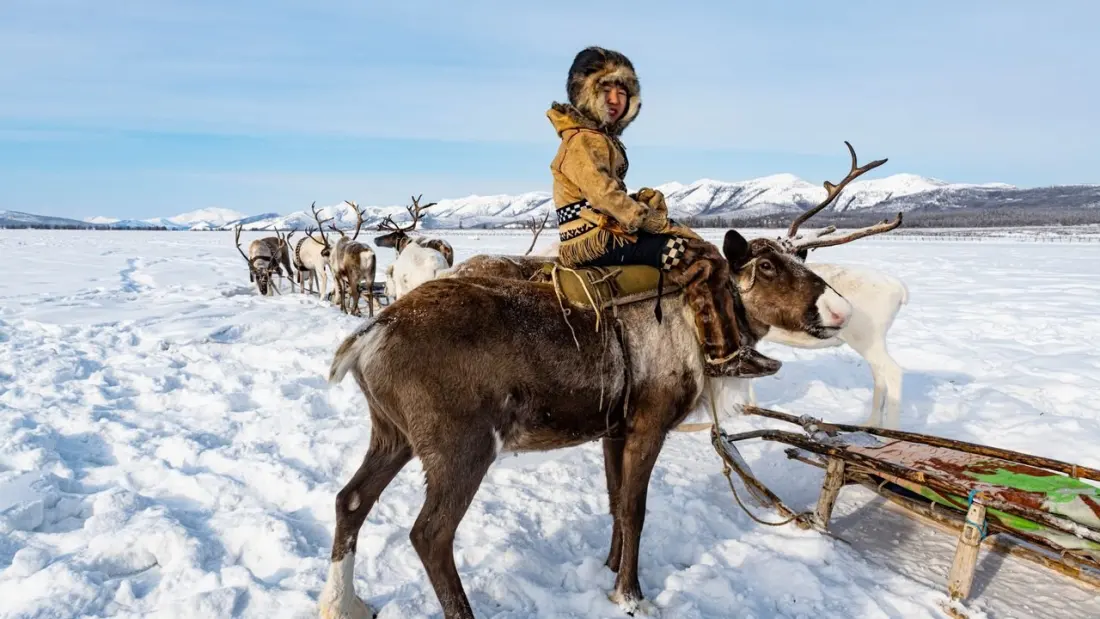
There's cold, and then there's Oymyakon. This village of a few hundred people on the Indigirka River in Russia's Sakha Republic (Yakutia) holds the title of coldest permanently inhabited place on the planet. The verified record, logged at nearby Tomtor in February 1933, sits at a bone-cracking −67.8°C. The Pole of Cold monument in the village goes one better, claiming −71.2°C from a Soviet-era expedition led by geologist Sergei Obruchev.
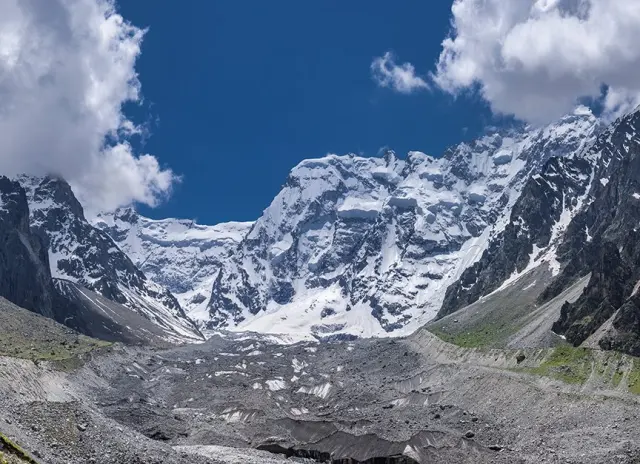
Geography explains it all. Although Oymyakon lies south of the Arctic Circle, it sits in a mountain-ringed basin: in winter, dense cold air slides down the surrounding slopes and pools on the valley floor with nowhere to escape. Around the winter solstice, the sun crawls up after 10am and disappears before 3pm, giving residents barely four and a half hours of daylight.
Daily life is engineered around the freeze. Locals burn wood around the clock, wear reindeer-hide boots indoors, and rely on heated garages to coax trucks into starting each morning. Even the famously tough Yakut cattle, a hardy local breed, need shelter once the thermometer drops past −30°C.
There's a surprising upside to all this chill. Thermal springs in Oymyakon and Tomtor stay unfrozen year-round, so you can soak in warm water while the air around you freezes. And every late March the region throws the Pole of Cold festival, spread across several settlements. Expect Chyskhaan — the Lord of Cold from Yakut folklore — plus a contest built around stroganina, the northern delicacy of raw frozen fish shaved into thin ribbons.
For the handful of travellers who make it out here, the route is an adventure in itself: multi-day road trips from Yakutsk along the Kolyma Highway, with overnight stops in Oymyakon or Tomtor. It's a proper expedition, not a weekend break.
Why care? Because few places on Earth offer travel bragging rights this rare. The catch is real, though: the UK Foreign Office currently advises against all travel to Russia, so for now this stays firmly on the bucket list rather than the booking list. When that changes, Oymyakon will still be waiting — at −40°C and welcoming.