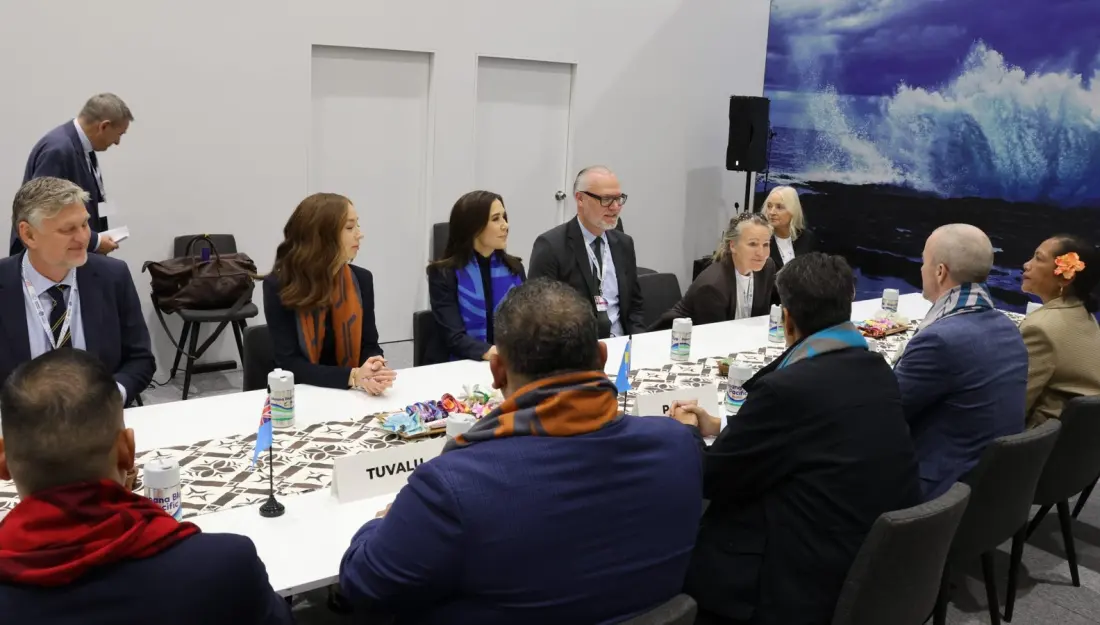
A revised nine-page draft decision circulating at COP31 talks, dated November 19 and shaped by the COP31 Presidency's consultations, has handed Pacific island nations several of the acknowledgements they have been pushing for years. The text keeps 1.5°C firmly in the frame, backs a big lift in adaptation finance and puts ocean protection on the agenda. What it doesn't do is lock countries into phasing out fossil fuels — and for a region watching sea levels climb and coastlines erode, that omission matters.
The draft admits something blunt: global warming is projected to overshoot 1.5°C, and every extra fraction of a degree raises the odds of severe and possibly irreversible impacts. That's not abstract for low-lying nations like Kiribati, Tuvalu or the Marshall Islands, where saltwater intrusion already threatens food and water supplies. The language keeps political pressure on, but it pivots to renewables, electrification and emissions cuts rather than a hard fossil fuel exit.
Finance is where the gap between rhetoric and reality really shows. The draft champions a push to at least triple adaptation finance by 2035 and floats an Antalya-to-Addis Ababa Roadmap on Adaptation and Resilience Finance, meant to find reliable, scaled-up funding sources — including for loss and damage. But the same document spells out the shortfall: roughly USD$2.8 billion in requests under the Barbados Implementation Modalities against only about USD$342 million available. And of the USD$822 million pledged to the Fund for responding to Loss and Damage, only about half has actually been converted into contributions.
There are genuine wins buried in the text. It recognises the Pacific's role in prompting the International Court of Justice advisory opinion on states' climate obligations — a diplomatic milestone for the region, even though the draft sets no mechanism for acting on the opinion. Ocean-focused measures get a nod too, including an Antalya Ocean Current proposal and a Blue Imece Synthesis Report to feed future climate assessments. Indigenous Peoples, local communities, women, youth and civil society all get explicit credit.
The catch, as the draft itself concedes, is that much of this is still under negotiation. COP31 was billed as an 'Implementation COP', so Pacific leaders will judge the outcome not on the poetry of the final text but on whether cash actually reaches communities rebuilding after cyclones and king tides. For travellers who love these islands — and the coral reefs, lagoons and cultures they hold — the stakes extend beyond diplomacy: how fast the world cuts emissions shapes how long these destinations stay as they are. The region's negotiators head into the endgame holding recognition, but still chasing delivery.