Deep in Vietnam's far northwest, Lai Châu province is making a long-term bet on tourism that leans green rather than gold. Its Department of Culture, Sports and Tourism has unveiled master plans for two highland destinations — Sìn Hồ and Ô Quy Hồ — designed to turn them into sustainable, nationally recognised tourist areas over horizons stretching to 2050.
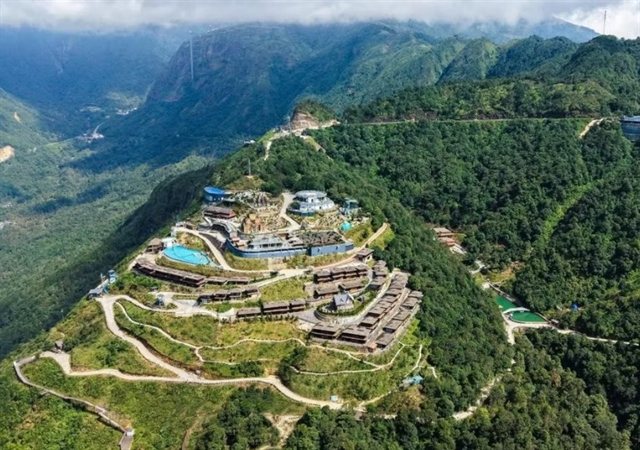
Sìn Hồ gets the bigger canvas: nearly 25,000 hectares across Sìn Hồ Commune and parts of Hồng Thu and Tủa Sín Chải. The plateau, roughly 450km northwest of Hà Nội, is famous for the clouds that drape it most of the year — 'cloud hunting' peaks in summer. The plan positions it as a National Tourist Area built around eco-tourism, highland resorts, community-based cultural travel, adventure activities and wellness trips tied to local Lai Châu ginseng and medicinal plants. Targets are modest at first — about 74,100 visitors by 2030 — but jump past one million by 2050.
Ô Quy Hồ, about 380km from Hà Nội and spanning parts of Bình Lư and Tả Lèng communes, covers 8,800 hectares and leans into eco-tourism, mountain resorts, natural exploration, adventure sports and homestay-style community stays. Officials want it to meet full National Tourist Area criteria by 2045, with visitor numbers projected to climb from around 844,000 in 2030 to nearly three million by mid-century.
Provincial vice chairman Tống Thanh Hải has framed the plans as both a legal framework for managing development and a magnet for serious investors — with an explicit warning against scattered, low-quality projects and unauthorised construction. The emphasis throughout is on protecting forests, biodiversity and the cultures of local ethnic communities rather than paving over them.
For travellers, this is a heads-up about a corner of Vietnam most visitors still skip in favour of nearby Sa Pa. Sìn Hồ's misty plateau and Ô Quy Hồ's mountain terrain offer cooler climates, mountain scenery and homestay-based ethnic culture with a fraction of the crowds — and the province is deliberately steering growth to keep them that way. If you want northern Vietnam before the coaches arrive, the window is now, though the 2030s should bring better roads, resorts and facilities if the plan holds.