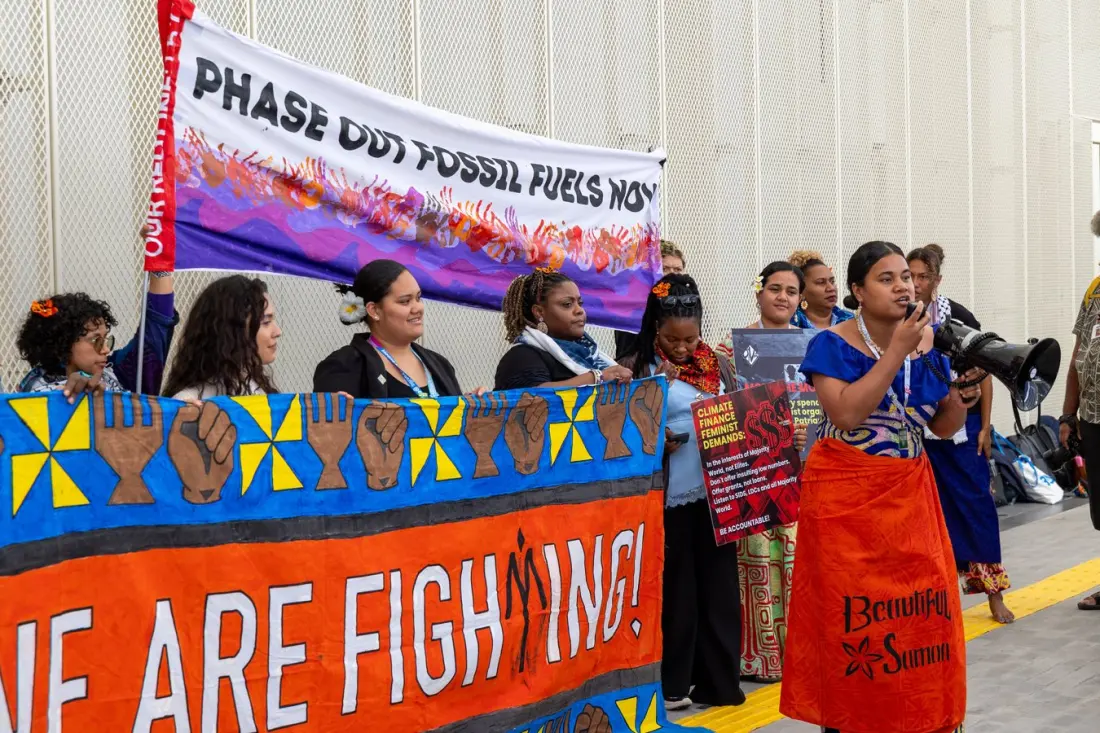
Two of the Pacific's smallest and most climate-exposed nations have stepped up their energy transition commitments. Tuvalu and Vanuatu announced this week that they have joined COFFIS — the Coalition on Phasing Out Fossil Fuel Incentives Including Subsidies — bringing the group's membership to 19 countries. The announcement was made on the sidelines of COP31, the UN climate conference being held in Antalya, Türkiye.
The commitments are concrete rather than symbolic. Both countries have agreed to publish national inventories of their fossil fuel subsidies within a year, then draw up phase-out plans within two. COFFIS, launched by the Netherlands at COP28 in Dubai, exists to help governments turn climate pledges into actual policy — identifying subsidies, sharing reform experiences and designing plans suited to each country's circumstances.
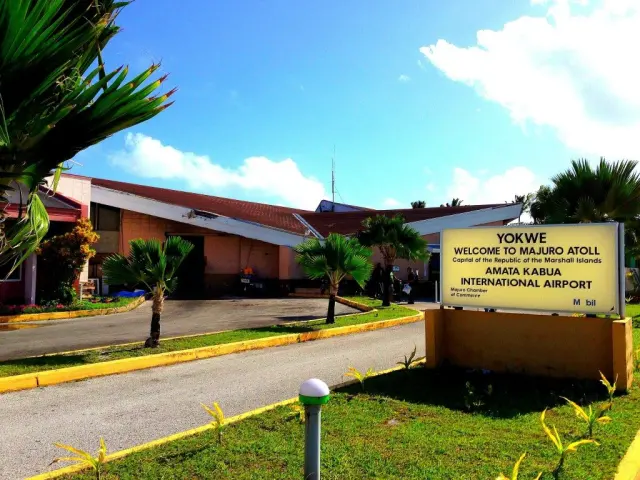
Why does this matter to Pacific nations in particular? Both ministers framing the move pointed to economics as much as emissions. Tuvalu's climate and environment minister, Dr Maina Vakafua Talia, said cutting reliance on imported fossil fuels is central to the country's energy security and economic resilience. Vanuatu's climate minister, Ralph Regenvanu, made a similar case: dependence on imported fuel leaves small island economies exposed to unpredictable global prices, and subsidy reform frees up public money for renewables and stronger electricity grids. The Marshall Islands publicly welcomed the two countries, noting that Pacific nations are coordinating on reducing fuel dependence.
For travellers, the significance is practical. Remote island destinations like Tuvalu and Vanuatu run heavily on diesel generators and imported fuel, which makes electricity expensive and supply fragile. A serious shift toward renewables — supported by subsidy reform and redirected public spending — should mean more stable power, more resilient grids and lower costs for local businesses, including the guesthouses, dive operators and resorts that visitors rely on. Vanuatu, with its volcano tours, dive sites and kastom villages, and Tuvalu, one of the world's least-visited countries, both depend on functioning local infrastructure to keep tourism viable. Climate-forward policy in nations that face existential sea-level risk is also part of the story behind why people visit: to experience low-lying island cultures while they can, and increasingly to do so responsibly.
It's a small coalition step, but a telling one: the countries with the least to gain from fossil fuels economically are among the fastest to formalise their exit.