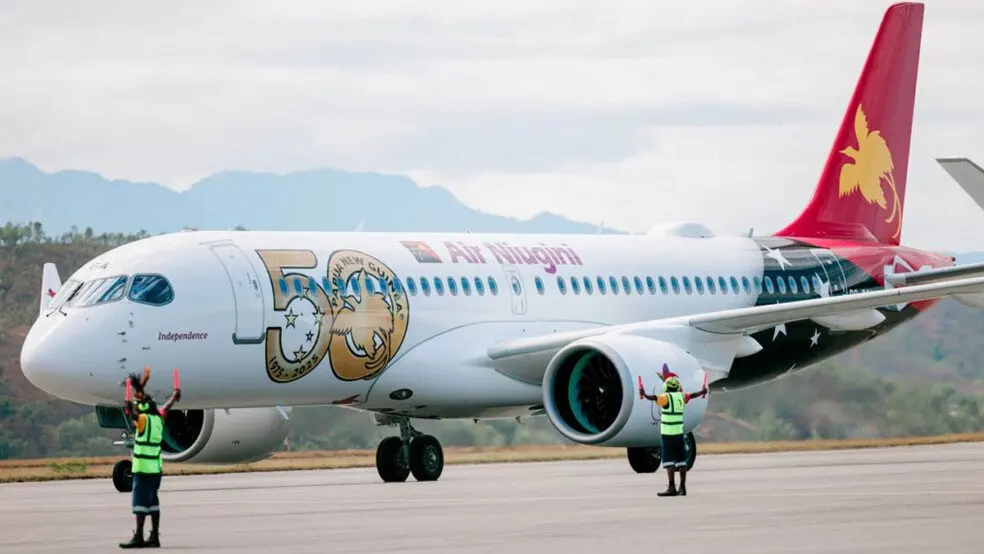
Flying around Papua New Guinea just got pricier. Air Niugini has raised fares by nine per cent, a move the airline's CEO Allan Milne pins squarely on soaring Jet A-1 fuel costs. According to Milne, fuel — one of an airline's biggest expenses — has almost doubled since the start of the conflict involving Iran, jumping 93 per cent.
The increase took effect from a Wednesday announcement and isn't set in stone: the airline will review it after a month, with any further changes tied to where fuel prices head next. It's also not the first adjustment this year — jet fuel prices rose in Papua New Guinea back in February, which already pushed domestic fares up.
Air Niugini isn't operating in a vacuum. Airlines worldwide have been passing fuel costs on to passengers, and tickets across the Asia-Pacific region have climbed about 25 per cent this year. Against that backdrop, a single-digit rise on PNG's flag carrier is relatively restrained, though for a country where air travel is often the only practical way to move between towns — roads are limited and terrain is tough — every increase hits harder than it might elsewhere.
For travellers, the practical advice from the airline itself is simple: book early. Milne urged customers to secure seats well in advance of their travel dates to lock in the cheapest available price, which matters even more now that fares are drifting upward and could be reviewed again within weeks.
If you're planning a trip to Papua New Guinea, this is worth factoring into your budget. Domestic hops — Port Moresby to Mount Hagen, Lae, Madang or the islands — are the backbone of travel there, and a nine per cent bump across the network can add up over a multi-stop itinerary. Allowing some flexibility on travel dates and booking the domestic legs as soon as your international flight is confirmed are the smartest ways to blunt the increase. And because the airline will reassess the rise after a month, fares could shift again either way depending on the oil market, so it pays to check current prices rather than assume.
The takeaway: Papua New Guinea remains one of the more expensive places in the region to fly, and fuel-driven increases are a global trend right now, not a local quirk. Travellers heading there this year should budget accordingly and move early on bookings.