Pacific island nations have used a United Nations General Assembly debate to demand tougher legal protection against sea-level rise — and they didn't hold back. At a session on October 12, a string of Pacific states argued that a newly adopted UN declaration on rising seas falls short of what their communities actually need.
The declaration itself was adopted on September 24, 2026, and covers some of the most existential questions facing low-lying nations: whether maritime boundaries survive as coastlines shift, whether statehood itself is at risk, and how affected people can access climate finance and defend their rights. Papua New Guinea told the Assembly that negotiations had watered down key provisions just to get everyone on board, warning that consensus should not cost vulnerable countries stronger protections.
The specific asks were pointed. Palau, speaking for the Pacific Islands Forum, called for accessible and predictable climate finance — including backing for the Pacific Resilience Facility — plus urgent cuts to greenhouse gas emissions, noting that rising seas are already hitting coastal communities, freshwater supplies, food security and critical infrastructure. Kiribati, representing Pacific Small Island Developing States, focused on human rights for people displaced or affected, and on making climate funding simpler to reach.
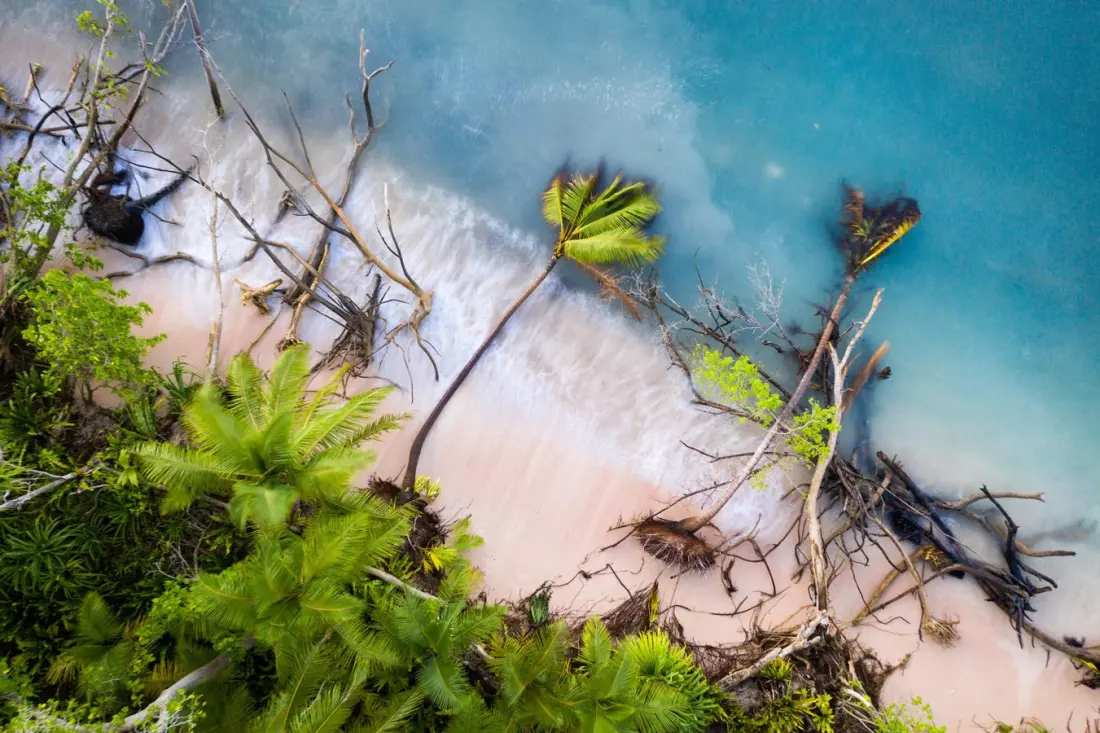
Tuvalu delivered perhaps the sharpest line of the debate, insisting that its statehood, sovereignty and maritime entitlements must endure regardless of what the ocean does. Vanuatu brought numbers: sea levels around the country could climb as much as 122 centimetres by the end of the century, potentially rendering more of its land uninhabitable. All the Pacific speakers welcomed the declaration as a milestone but stressed that its real value depends on follow-through — practical action, stronger legal guarantees and money that actually reaches frontline communities.
So why should this matter to anyone planning a holiday? Because the Pacific's beaches, reefs and island cultures are the very places on the front line. Travel to Fiji, Vanuatu, Kiribati or Tuvalu isn't just a beach break; it's a direct encounter with communities adapting to a changing ocean. Travellers who care about these destinations can support them meaningfully — choosing locally owned guesthouses, visiting community-led conservation projects, and understanding that the challenges discussed at the UN are visible on the ground. And the region's leaders made clear they want partnerships that treat Pacific nations as durable, sovereign places, not doomed postcards. Their message: the islands aren't going anywhere quietly.