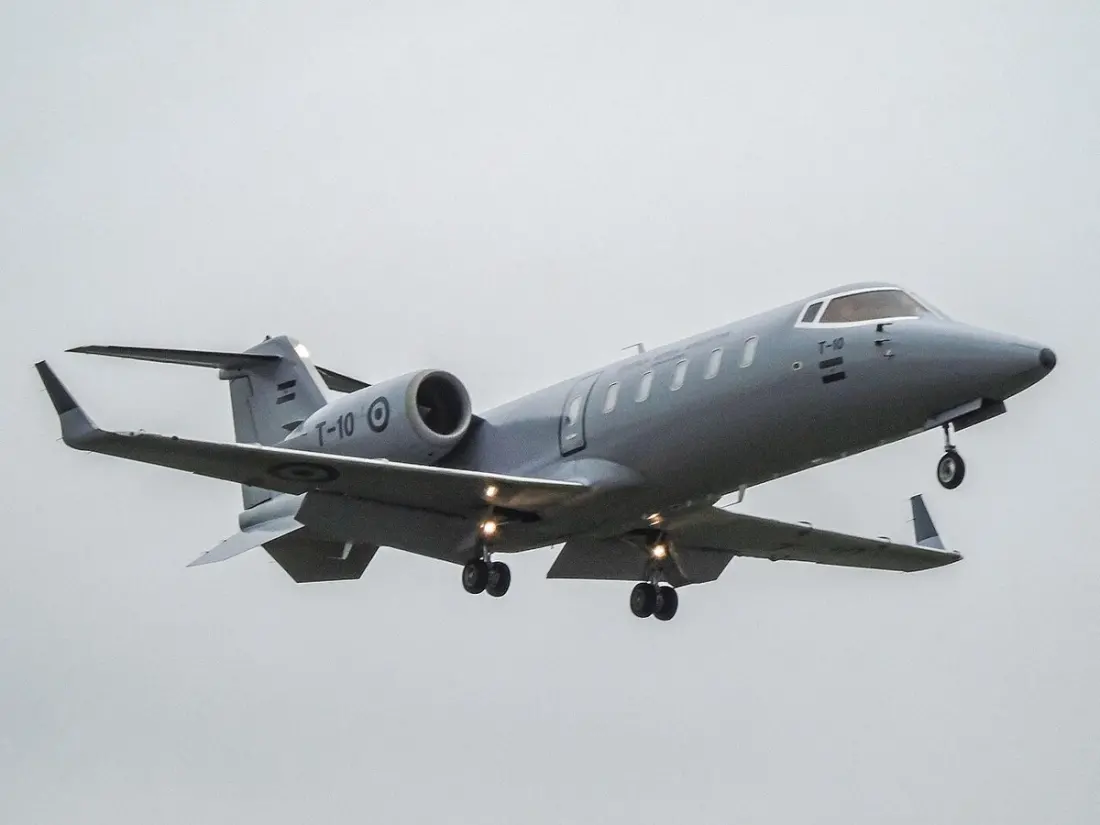
A private charter jet travelling from Austin, Texas, to the Bahamas came down on a residential street in Palm Beach County on Sunday, November 1, killing all nine people on board and leaving a crater in the road. The aircraft, operated by Fort Lauderdale-based firm Upper Jets, was descending at more than 20,000 feet per minute when it struck the ground — a rate investigators say points to a severe loss of control or lift.
Much of the early attention has fallen on one crew member: Nathalia Filgueiras, the 20-year-old co-pilot who held a pilot's licence from the age of 17. She trained through the School District of Palm Beach County's Aviation Academy, logged more than 1,300 flight hours by her early twenties, and had recently earned her Pilot in Command type qualification on the Learjet 60. Her path reflects a well-worn route in private charter aviation, where young co-pilots are hired to build the hours needed before moving on to major airlines — and where regulations permit them to handle full second-in-command duties, including radio work and emergency procedures.
But federal investigators are pushing back against the assumption that youth or inexperience caused the crash. In her final exchanges with Miami Center controllers, the crew was cruising at 35,000 feet through bad weather, reporting manageable clear ice, light precipitation and moderate turbulence, and requesting a climb to 37,000 feet to escape it. Moments after that request, the jet entered an unrecoverable descent, followed by a Mayday call citing the extreme descent rate and an overspeed condition. Aviation experts note that heavy icing combined with turbulence can destabilise a jet's aerodynamics quickly, producing a high-speed stall or control surface failure that would test even veteran crews. Officials have stressed that Filgueiras was fully qualified, performing her duties and stayed in contact with controllers until the end.
The NTSB, working alongside the FAA, has secured the impact site and is recovering the flight data and cockpit voice recorders, which should clarify how duties were divided between Filgueiras and the captain during the emergency. Investigators are also reviewing Upper Jets' maintenance records, the Learjet 60's structural history and regional weather data. Beyond determining a cause, the crash is expected to trigger wider scrutiny of charter operations: how crews are paired for bad-weather flights, and how early-career pilots are trained and checked on high-performance business jets.
Why should holidaymakers care? Private charter has grown fast, and most passengers never think about who sits in the right-hand seat or how a charter operator handles weather decisions. The findings from this investigation — expected to take months — could shape safety rules, crew experience thresholds and weather protocols across the charter sector, with real implications for anyone booking a private or semi-private flight in the US or the Caribbean.