If your ideal city break involves rummaging through flea markets or learning a hands-on skill, a new ranking has done the homework for you. A study by Embroidery Legacy, released in October 2026, compared 45 cities worldwide on five measures: bookable craft workshops, median workshop prices, recognised craft heritage, antique and second-hand shops near the centre, and how often major flea markets actually trade.
Paris came out on top, and it's not hard to see why. The French capital has 351 antique and second-hand shops — the highest count in the study — plus 143 bookable art workshops. Its flea markets run for roughly 13 days a month, and France has four UNESCO-recognised craft heritage elements behind it.
Japan dominated the rest of the podium. Tokyo took second place as the world's workshop capital, with 145 bookable craft experiences at a median price of $23 — and some classes cost far less, like chopstick-making sessions from just $5. It also has 155 antique and second-hand shops. Osaka followed in third with 124 workshops (median $35) and 102 shops, with embroidery proving a popular draw in both cities.
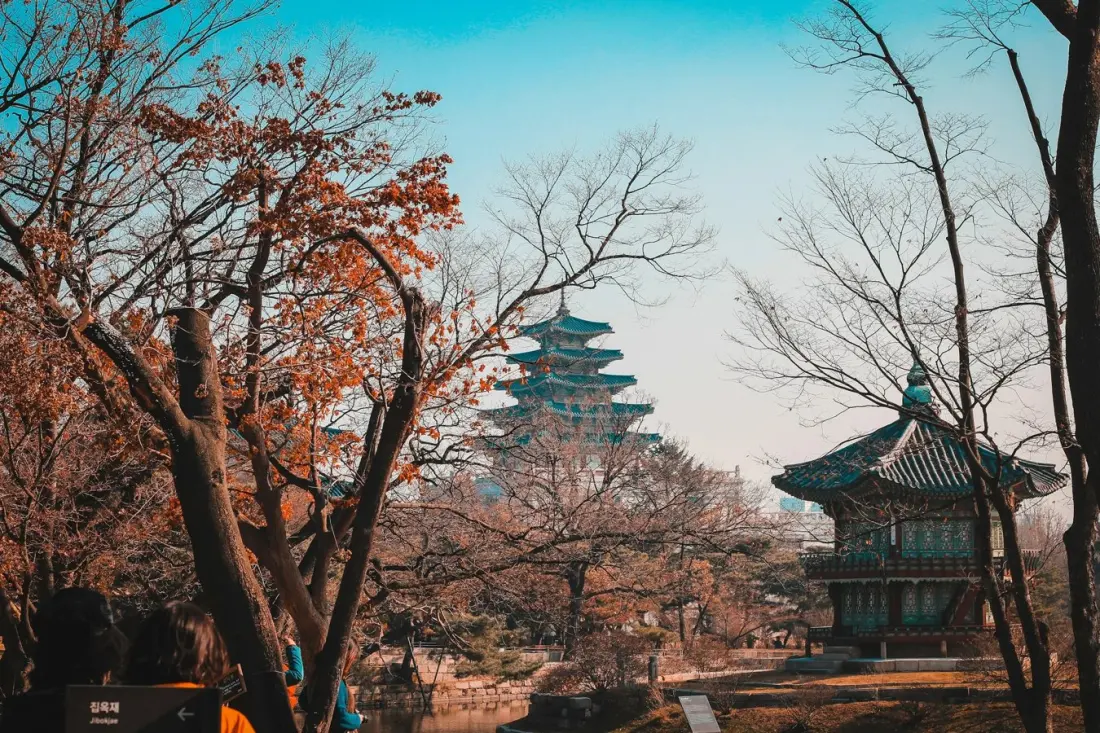
Seoul earned fourth place largely on market culture: its flagship flea market trades about 26 days a month, one of the most frequent schedules in the study. Add 122 bookable workshops at a median $39 and it's a solid pick, though only eight antique shops were recorded near the centre. London rounded out the top five with the second-most vintage shops (243) and 54 workshops, though at a median $70 a class, it's the priciest of the five for learning a new skill.
The rest of the top ten is worth a look too. Kyoto offers 122 workshops at a wallet-friendly median of $13. Florence's flagship flea market runs roughly 30 days a month. New York counted 84 workshops and 89 vintage shops, Istanbul came in at $25 a class, and Barcelona rounds out the list with 43 workshops and 42 shops.
The timing of the study is no accident. The second-hand apparel market is projected to hit $367 billion by 2029, and travellers increasingly want to understand the techniques and traditions behind what they buy. As Jesse Deer of Embroidery Legacy pointed out, workshops help keep traditional crafts alive between generations — and picking up a pattern or technique abroad can shape your own creative projects long after you fly home.
For holidaymakers, the practical takeaway is simple: an extra foldable bag and a free afternoon can turn a standard city break into something more memorable. Whether that's a $5 chopstick-making class in Tokyo, an embroidery workshop in Osaka, or a full day working the flea markets of Seoul and Paris depends on your budget and taste — but there's now solid data to back up where to go first.