French food, for centuries, has been built around a centrepiece: the roast, the fish, the cut of meat that defines the plate. A small restaurant near the Panthéon is flipping that order, and it's part of a quiet shift among some of Paris's most serious kitchens.
La Table de Colette, in the studenty Latin Quarter just north of the Panthéon, was founded by chef Josselin Marie, who trained at some of France's grandest dining rooms — Plaza Athénée, the Ritz, Hôtel de Vendôme. He calls the approach 'carbon-neutral cuisine': plant-centred, micro-seasonal cooking with minimal waste and no red meat. To decide what makes it onto the menu, the kitchen uses an eco-calculator developed by Bon Pour Le Climat, an association that promotes eating habits aimed at protecting the climate.
Marie's argument is that this isn't a break with French tradition so much as a return to it. Four hundred years ago, he says, a French plate was mostly vegetables. Animal protein crept in over time as a way of signalling wealth and status, and eventually became the default. At his restaurant, the logic is reversed. Sous-chef Ismaël Hermantin puts it plainly: the soul of classic French cuisine is one product, usually the meat or fish — but here, the hierarchy is turned around.
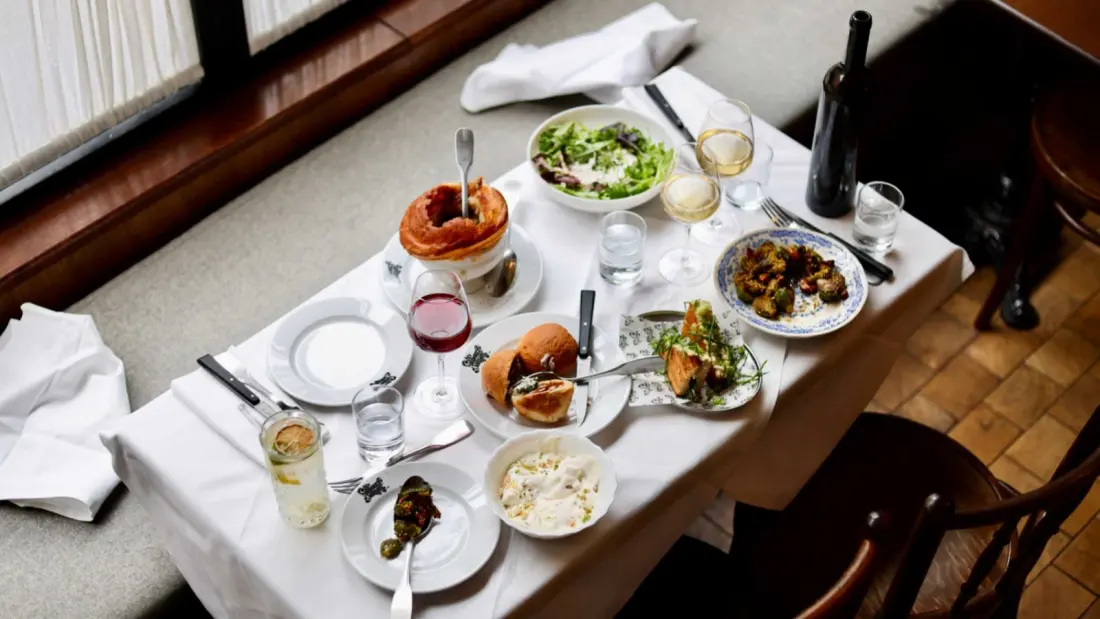
What that looks like in practice is a dish built around fennel, served two ways: braised, and raw as a crisp, fresh salad. The fish hasn't vanished entirely — it appears as slices of house-made monkfish 'chorizo' and a few perfectly seared pieces on the side. The garnish has become the star, and the star the garnish.
For travellers, this is worth knowing because Paris dining can feel locked into a formula of butter, cream and confit, and plant-based visitors often expect little more than a lonely ratatouille. A Michelin-adjacent kitchen treating vegetables as the main event — with real technique and a sustainability framework behind the menu — changes the calculus for vegan and flexitarian travellers planning a food-focused trip to the capital. It also signals a wider trend: if chefs with this pedigree are rethinking protein, expect more Paris kitchens to follow, and more options for anyone who eats green.
Worth noting, too: the source reporting asks what Parisians themselves think of the movement, and opinion is divided. Some diners embrace it; others see vegetables-first French food as a departure from the canon. Either way, booking ahead for lunch in the Latin Quarter gives you a seat at the debate — and a very good plate of fennel.
Full credit to Adventure.com for the original story.