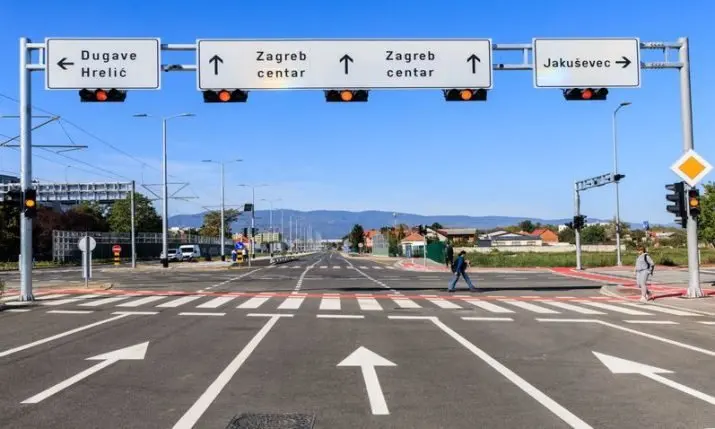
Zagreb's long-running Sarajevska cesta rebuild is finally near the finish line. City officials now expect the new tram extension to carry passengers by the end of November, with the road portion already open to traffic since early October.
The hold-up wasn't the tram works themselves — the track infrastructure was actually finished back on 15 September. The delay came from a separate electricity substation project in nearby Zapruđe, which had to be completed and permitted before technical inspections of the new tram tracks and its own substation could begin. That substation has now cleared a roughly 25-day testing period and secured its permits, unblocking the final testing phase.
When it opens, the extension adds about 1.9 kilometres to tram line 8, which currently runs between Mihaljevac and Zapruđe. The extended route will link Mihaljevac with Hrelić, with four new stops along the way: Ukrajinska, Murati, Kamenarka and Hrelić. Neighbourhoods including Travno, Utrina, Dugave, Hrelić and Jakuševac — parts of southern Zagreb that have long depended on buses or cars — get a direct rail link into the wider network.
The wider road reconstruction spans around 1.8 kilometres and brings three traffic lanes in each direction, new footpaths and cycle paths, and noise barriers. City hall's framing is that the tram should offer a more dependable alternative to driving and better tie the southern districts into the rest of the city.
For visitors, this is quietly good news. Tram line 8 touches Mihaljevac on the northern edge, handy for the Upper Town side of the city, and the extension makes areas further south — including the sprawling Novi Zagreb residential belt — easier to reach without renting a car. If you're staying in an apartment in Travno or Dugave, or heading to the huge Hrelić flea market area at the end of the line, your connection just got simpler. It's also a sign of where Zagreb is heading generally: the city has been steadily modernising its tram network, one of the busiest in this part of Europe, and staying car-free here remains the easiest way to get around.
Who should care? Anyone visiting Zagreb in the next year, especially travellers opting for cheaper accommodation south of the Sava river, or those keen to see how the Croatian capital is reshaping its public transport ahead of continued tourism growth.