A holiday road trip along the Dalmatian coast is about to get costlier if you get your parking wrong. Croatia's government is drafting amendments to its Road Traffic Safety Act that would sharply raise fines for a long list of motoring offences, with the steepest penalties hitting €2,650.
The biggest jump is for parking. Stopping or parking somewhere that endangers safety or blocks traffic and pedestrians would go from a €30 slap on the wrist to €300 — a tenfold increase. Parking across pedestrian crossings, mounting the pavement or blocking a garage entrance would double to €60, and taking a space reserved for people with disabilities would rise from €90 to €150.
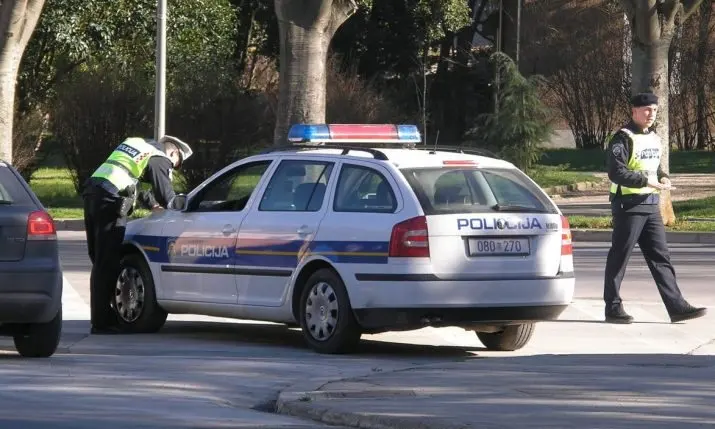
More serious offences carry much heavier proposed penalties. Deliberately hiding or obscuring your number plates could cost between €1,320 and €2,650, and the same range would apply to drivers who refuse to follow a police officer's instructions — up from the current €390 to €920. The draft law even contemplates prison sentences of up to 60 days for that offence. Pedestrians and cyclists who ignore police instructions would also see fines rise from €30 to €300.
One important caveat: these are proposed changes, not yet law. Nothing in the draft has entered into force, and the final amounts could shift. Drivers should follow official announcements before assuming the new figures apply.
Why does this matter for travellers? Croatia is one of Europe's most popular summer driving destinations, and the areas around Split, Dubrovnik and the coastal islands are notoriously tight on parking in high season. Tourists parking a few metres from a beach or old-town gate are exactly the people most likely to be caught out. A fine that was once an annoying €30 could soon put a serious dent in a holiday budget — and rental companies typically pass fines plus administration fees back to the driver.
If the amendments pass as drafted, the practical advice is simple: use official paid parking or garages, never stop on crossings or pavements even briefly, keep plates visible and clean, and treat police instructions as non-negotiable. Croatia Week first reported the proposals.