A suburban property in East Lynne, Pretoria, turned out to be holding far more than its address suggested. On Tuesday, 17 November, officers from the South African Police Service's Endangered Species Unit, working alongside officials from the Department of Forestry, Fisheries and the Environment, seized 11 wild animals from the premises following a tip-off about suspected illegal wildlife dealing.
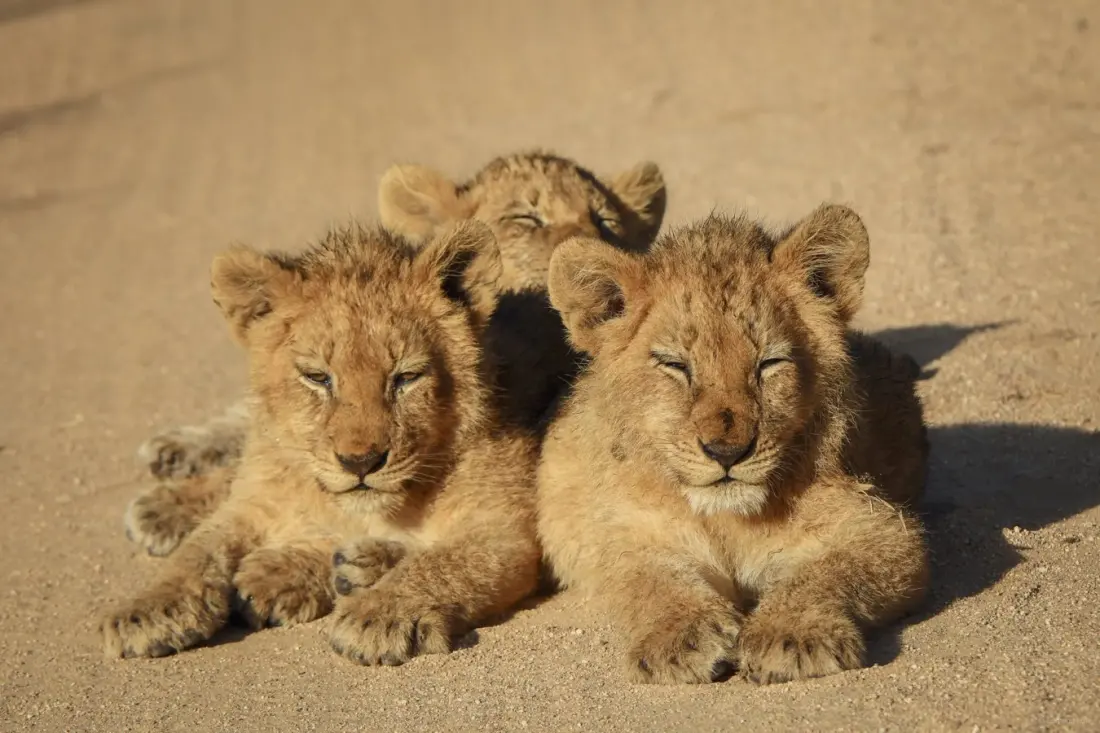
The haul included three lion cubs, two tiger cubs, three caracal kittens and three bat-eared foxes. Three men, aged 21, 24 and 25, were arrested at the property shortly before 1pm. They are expected to face charges of dealing in wild animals under the National Environmental Management: Biodiversity Act and are due to appear in the Pretoria Central Magistrates' Court on the Thursday after the raid. Investigators are also probing whether the suspects are connected to other criminal activity.
All 11 animals were handed over to conservation authorities. Each will undergo a veterinary examination to assess its condition and determine what care it needs, and those checks will inform where the animals are placed — either at a wildlife conservation facility or another suitable place of safety.
The mix of species is telling. Caracals are medium-sized wild cats found across much of Africa, while bat-eared foxes are a much-loved sight on southern Africa's grasslands, instantly recognisable by their outsized ears, which they use to detect prey. Insects — termites especially — make up the bulk of their diet in the wild. Lion cubs, meanwhile, are a known target for the illegal wildlife trade, both domestically and internationally, and the presence of tiger cubs — a species not native to Africa at all — raises obvious questions about where these animals came from and where they were headed.
For travellers, this story is a useful reminder of the darker side of wildlife encounters. South Africa remains one of the world's great destinations for seeing wild animals, from Kruger National Park to private reserves in the Eastern Cape, but not every animal interaction on offer is legitimate. Cub-petting experiences, roadside zoos and social-media-friendly wildlife encounters can be fronts for breeding and trading operations exactly like the one police suspect here. Choosing accredited reserves, guided park visits and ethical operators keeps your rands away from the illegal trade and supports the conservation facilities that end up caring for animals rescued in raids like this one.
It also shows that enforcement is active. A single tip-off in a Pretoria suburb led to a coordinated raid, three arrests and 11 animals on their way to proper care — a small win in an ongoing battle, but a visible one. As investigators work out how these cubs and kits ended up in East Lynne, the story is worth following for anyone who cares about the future of wildlife tourism in South Africa.