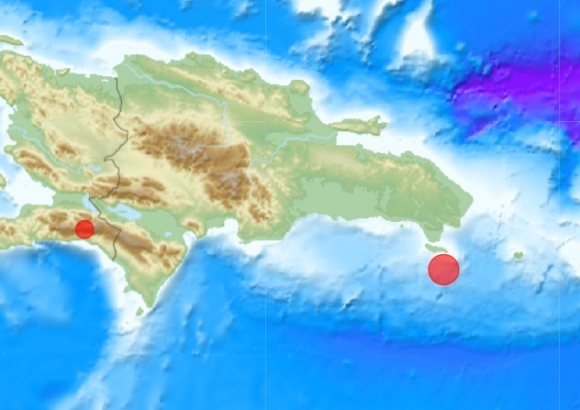
Travellers in the eastern Dominican Republic felt the ground move on Tuesday night. The USGS recorded a magnitude 4.4 earthquake at 10:46 p.m. local time on November 17, with its epicentre offshore, south of the small coastal town of Boca de Yuma. The quake struck roughly 90 kilometres below the surface — a depth that typically softens how much shaking people feel on land.
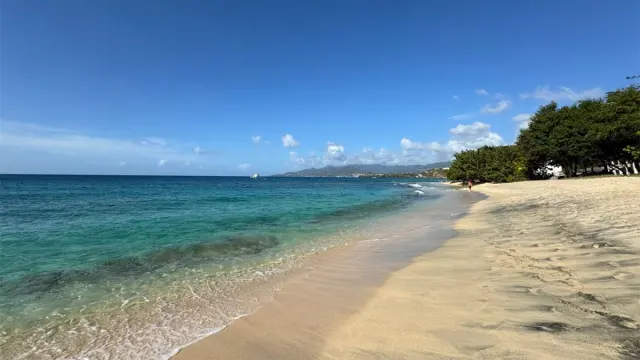
Geographically, the epicentre sits in a familiar corner for holidaymakers: about 66 kilometres southeast of La Romana, the city best known for the resort developments of Casa de Campo and nearby cruise port traffic, and 54 kilometres south of San Rafael del Yuma. That places it within easy reach of Punta Cana, the country's biggest beach tourism hub, where thousands of international visitors are staying at any given time.
There's a bit of context worth knowing. This wasn't an isolated event. Records show several earthquakes of magnitude 3 or higher around Punta Cana and Boca de Yuma in recent days, marking an active stretch for the eastern region. The Dominican Republic sits near the boundary where the Caribbean and North American tectonic plates meet, so seismic activity is a regular feature of life on the island of Hispaniola — most of it minor and unnoticed by anyone not checking a seismology feed.
For visitors, the practical takeaway is modest. A magnitude 4.4 quake at that depth may rattle windows or prompt a brief moment of confusion on a hotel's upper floors, but it's far below the range that causes structural damage. No damage or injuries were reported in connection with this event. Resorts in Punta Cana and La Romana are built to modern standards and staff are generally accustomed to the occasional tremor.
If you're planning a trip to the Punta Cana area, there's no reason to change plans. That said, it never hurts to do what you'd do in any destination with seismic activity: note the emergency exits in your accommodation, keep your phone charged, and follow hotel staff instructions if you ever do feel stronger shaking. The Dominican authorities monitor seismic activity through their autonomous university's seismological institute, and the USGS provides near-real-time data online for anyone who wants to keep an eye on the region's activity.
The bigger picture for travellers is reassuring rather than alarming. Millions of people visit the Dominican Republic's eastern coast every year for its beaches, golf courses and all-inclusive resorts, and minor offshore earthquakes are simply part of the region's natural background — much like the tropical showers that pass through in the afternoon. This week's tremor is a good reminder to skim your hotel's safety information on arrival, and otherwise a non-event for anyone booked into the area.