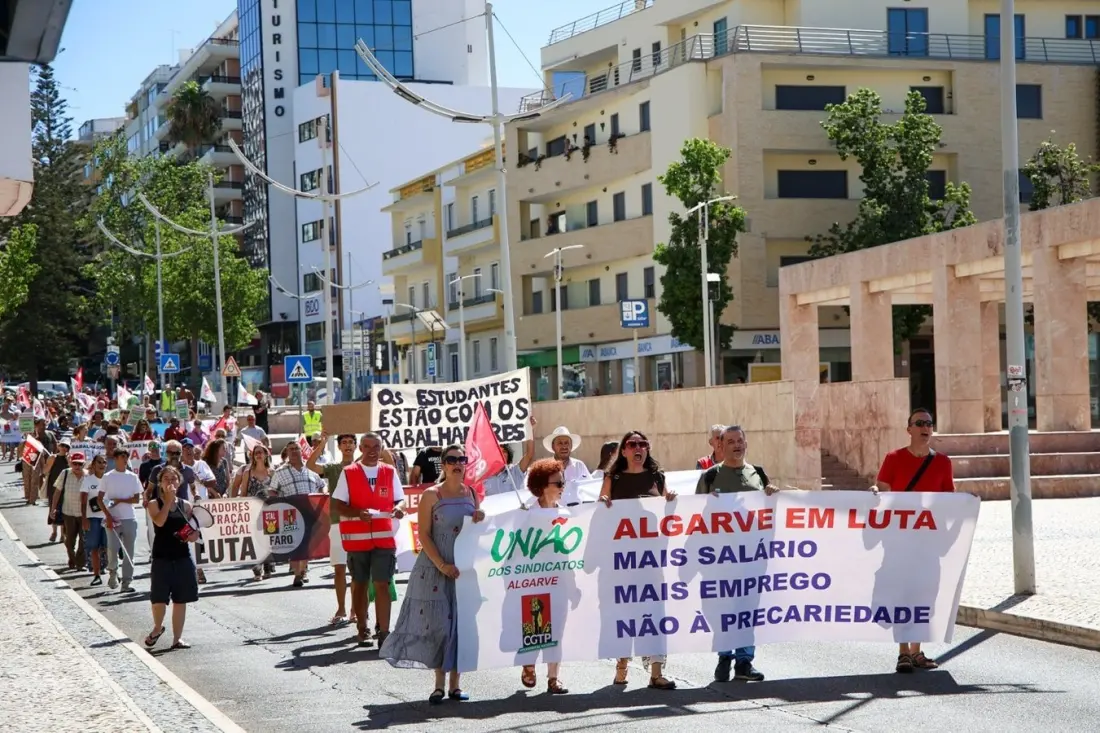
Union members will take to the streets of Portimão on Thursday, October 1, in a demonstration organised by the Algarve Union of Trade Unions (USAL/CGTP-IN) over the rising cost of living. The action kicks off at 8am on Avenida São João de Deus, near the health centre roundabout, and lands on the 56th anniversary of Portugal's CGTP-IN union confederation.
The grievances are familiar across much of Europe: union leaders point to climbing prices for food, fuel and housing, plus what they see as a decline in public services. They contrast the squeeze on household budgets with strong profits reported by companies in the oil, retail and banking sectors, arguing that ordinary workers are carrying too much of the economic load. Specific demands include meaningful rises in wages and pensions, caps on the prices of essential goods and services, cheaper housing, and more investment in the National Health Service, state schools and Social Security.
This Portimão gathering is not a one-off. It sits inside a wider national campaign by CGTP-IN, which wants a general wage increase of at least 15% (with a €150 minimum), a national minimum wage of €1,100 from January 2027, and maximum prices on essentials including food, fuel and rents. Bigger demonstrations are planned in Lisbon, Porto and Coimbra on October 17.
For anyone holidaying in the Algarve, the practical takeaway is modest but real. A morning demonstration in a city like Portimão — one of the region's main hubs and a base for many visitors to Praia da Rocha — can bring road closures, diverted buses and a heavier police presence around the route. If you are staying in or passing through the town on October 1, expect some disruption around Avenida São João de Deus in the morning and allow extra time for transfers, car hire pick-ups or airport runs.
There is also a wider context worth noting. The Algarve's economy leans heavily on tourism, and cost-of-living pressure on local workers — from hospitality staff to health workers — is part of the same story as rising prices in restaurants, rentals and services that visitors experience first-hand. Portugal's minimum wage and living costs have climbed steadily in recent years, and union campaigns like this one are a visible sign of that tension in one of the country's most tourist-dependent regions.
So while the protest is a domestic labour matter rather than a travel event, it may briefly touch the logistics of your Algarve trip. Check local traffic updates on the day, keep an eye on bus timetables, and if you are in Portimão centre, simply give the march space and carry on with your beach plans. Further actions on October 17 could affect Lisbon, Porto and Coimbra if your itinerary includes those cities later in the month.