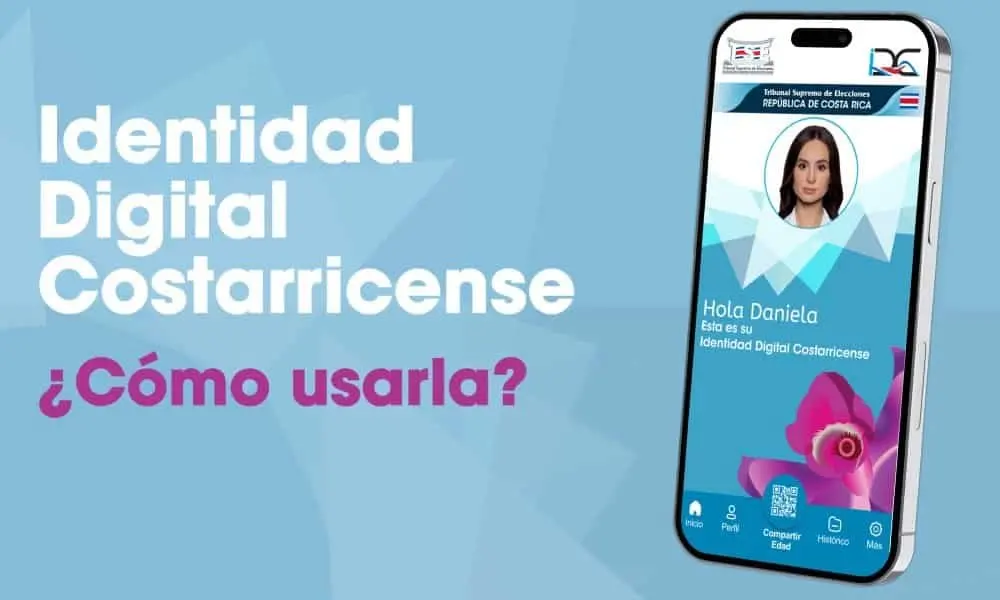
From 1 January 2027, every bank, government office and business in Costa Rica will have to accept the national digital identity — the Cédula Digital (IDC) — whenever a procedure requires ID. The Supreme Electoral Tribunal (TSE), which runs the system, confirmed the smartphone credential carries exactly the same legal weight as the plastic card, and institutions will no longer be allowed to refuse it simply because it's on a phone.
The digital ID launched on 9 September 2025, but acceptance was voluntary until now. Uptake has been steady: 107,243 people had requested one by 1 November 2026. The change should smooth out everyday tasks — opening accounts, signing paperwork, proving identity at any counter — for those who carry the digital version.
Here's the fine print. The digital credential costs 2,600 colones (around $5.80) and lasts four years, while the physical card remains free for most applicants. Over-65s skip the digital fee entirely. Only Costa Rican citizens can apply, so this is a domestic system rather than something visitors carry. Applicants need a valid physical ID first, a smartphone with an active line on iOS or Android, and no pending document waiting at the TSE.
Signing up happens online at tse.go.cr/idc: enter your ID number, pass an identity check, supply an email, and pay with a Visa or Mastercard. Once approved, the credential activates in the official IDC-Ciudadano app from the App Store or Google Play, secured by a personal PIN plus facial recognition matched against the biometrics from your last physical ID procedure.
The physical card isn't going anywhere. It stays free to obtain or renew at the TSE's San José headquarters or any of its 32 regional offices, with a charge only if you exceed the annual limit on duplicate replacements. Carrying the digital ID stays optional — the 2027 rule obliges institutions to accept it, not citizens to adopt it.
Why does this matter to travellers? Mostly as a sign of where Costa Rica is heading: a country leaning hard into digital services, which usually translates into faster check-ins, e-gates and less paper at hotels and rental counters over time. For expats and long-stay visitors with residency heading toward citizenship, it's practical news. For everyone else, it's context for one of Central America's most digitally switched-on governments.